
Chinese Journal of Applied Chemistry ›› 2025, Vol. 42 ›› Issue (10): 1375-1385.DOI: 10.19894/j.issn.1000-0518.250083
• Full Papers • Previous Articles Next Articles
Ling-Yu LEI1( ), Jing-Xin SU2, Ya ZHOU1, Yao WANG1
Received:2025-02-28
Accepted:2025-08-14
Published:2025-10-01
Online:2025-10-29
Contact:
Ling-Yu LEI
About author:Llingyu868@163.comCLC Number:
Ling-Yu LEI, Jing-Xin SU, Ya ZHOU, Yao WANG. Construction and Application Research of a Biomimetic MOF Nanozyme-Mediated Ultrasensitive Photoelectrochemical Sensor for Cardiac Biomarkers[J]. Chinese Journal of Applied Chemistry, 2025, 42(10): 1375-1385.
Add to citation manager EndNote|Ris|BibTeX
URL: http://yyhx.ciac.jl.cn/EN/10.19894/j.issn.1000-0518.250083
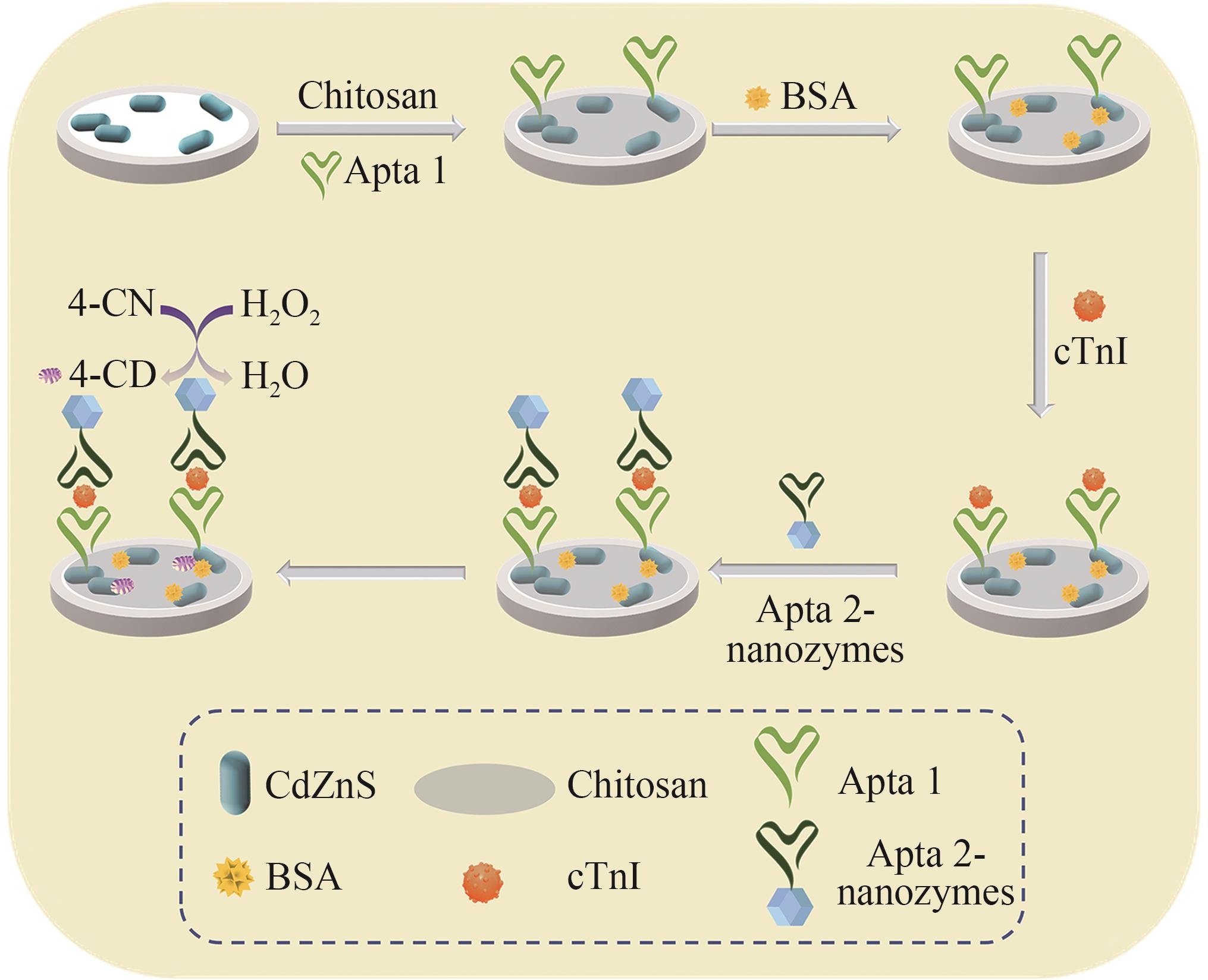
Fig.1 Schematic diagram of sensor construction for cTnI detection
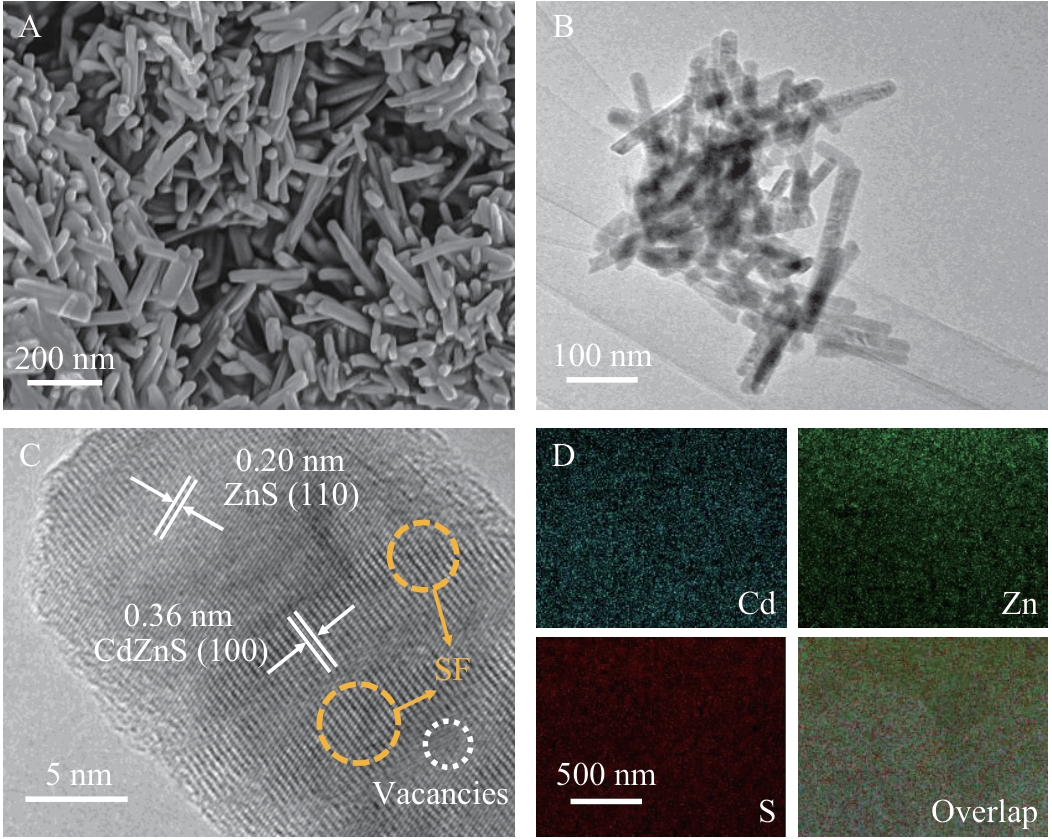
Fig.2 (A) SEM, (B) TEM, (C) HR-TEM and (D) EDS image of CdZnS nanorods
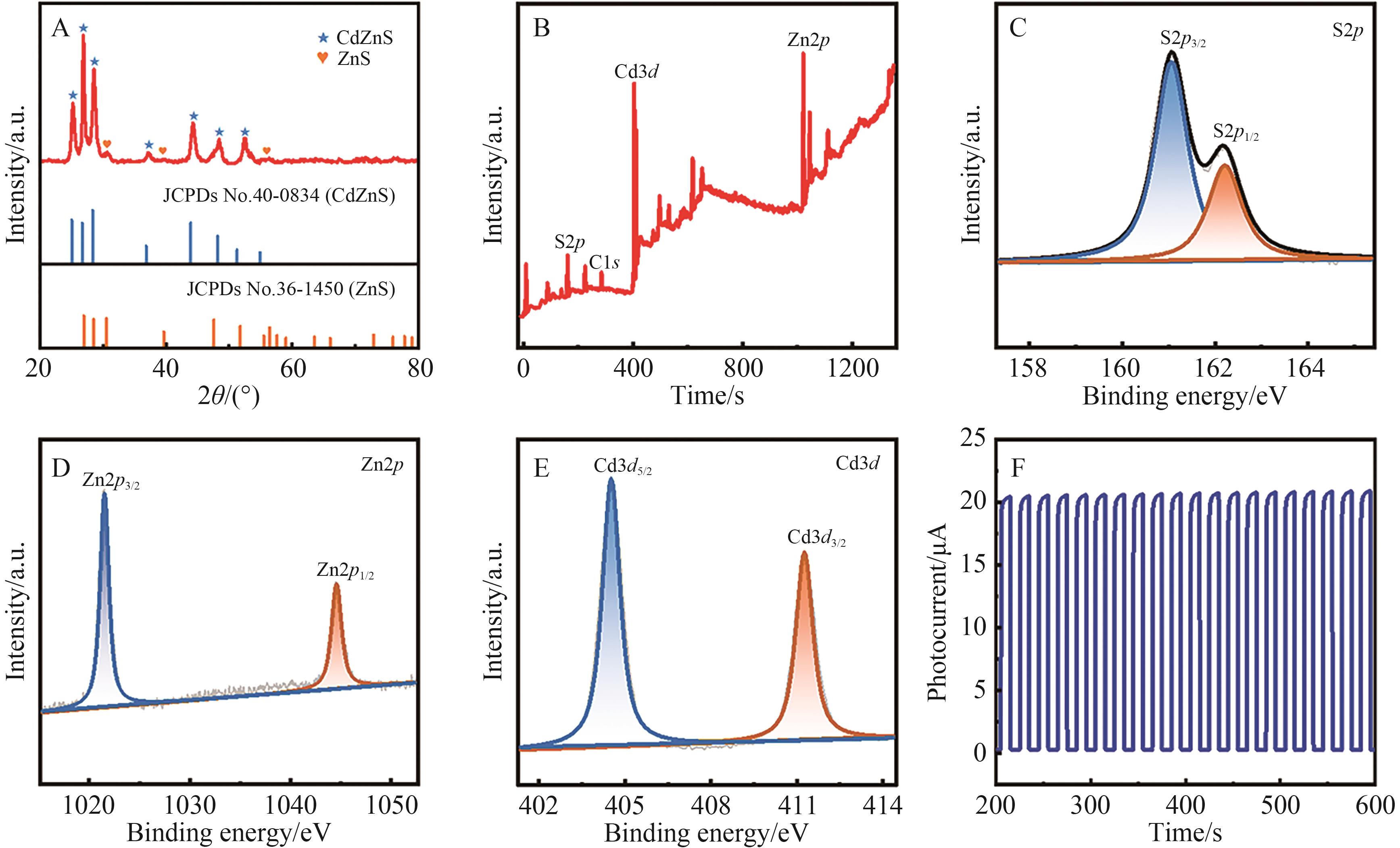
Fig.3 XRD pattern (A) and XPS full spectrum (B) of CdZnS nanorods; High-resolution spectra of S2p (C), Zn2p (D) and Cd3d (E) of CdZnS nanorods; Photocurrent stability diagram of CdZnS nanorods/FTO photoactive substrate (F)
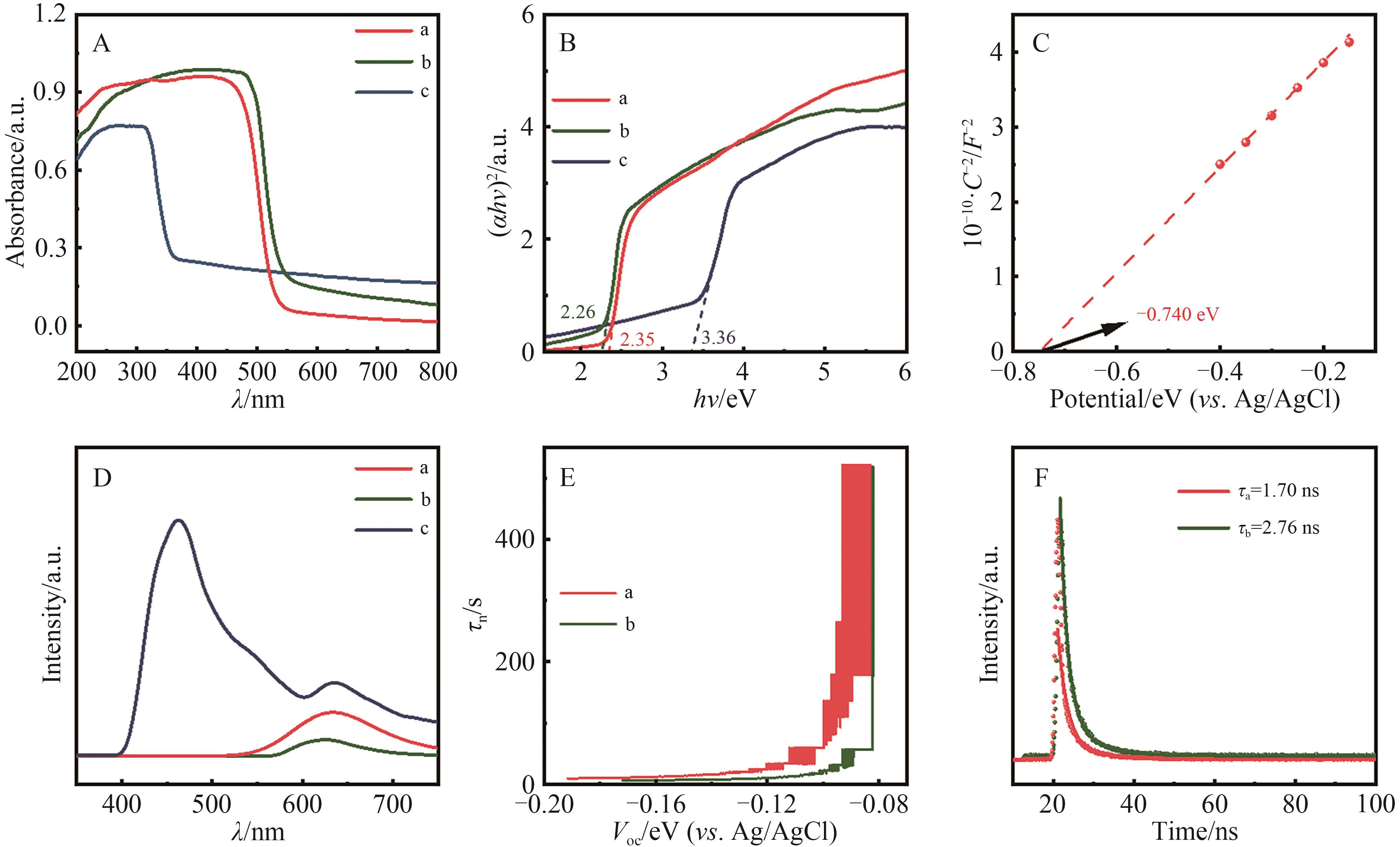
Fig.4 UV-Vis diffuse reflectance spectra (A) and corresponding Tauc plots (B) of CdZnS (a), CdS (b), and ZnS (c); Mott-Schottky plot of CdZnS (C); Photoluminescence spectra (D) of CdZnS (a), CdS (b), and ZnS (c); Average lifetime (E) and time-resolved photoluminescence spectra (F) of photo induced charge carriers in CdZnS (a) and CdS (b)
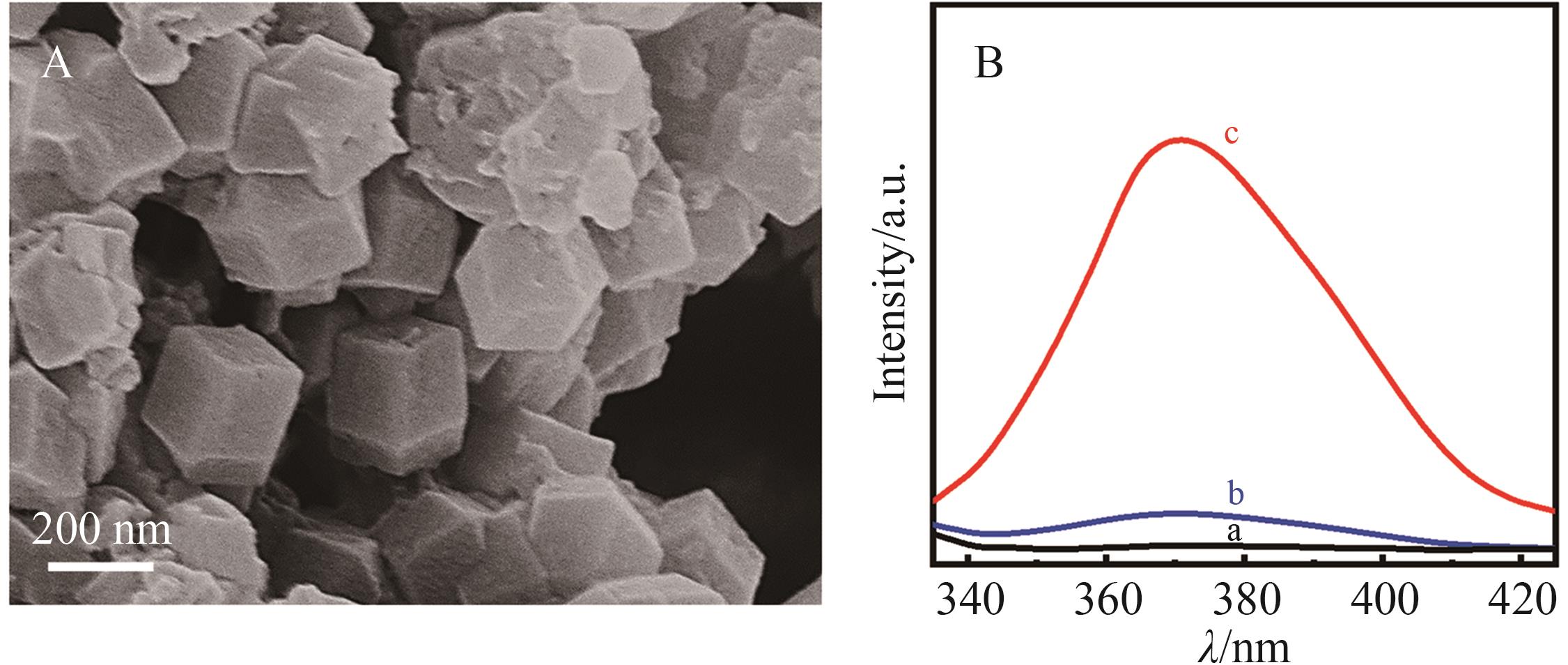
Fig.5 Hemin/BSA@ZIF-8 scanning electron microscopy images of nanoenzymes (A); TMB (a), TMB-H2O2 (b), and Hemin/BSA@ZIF-8-TMB-H2O2 (c) UV-Vis absorption spectra in 0.1 mol/L NaAc-HAc buffer solution (pH=4.0) (B)
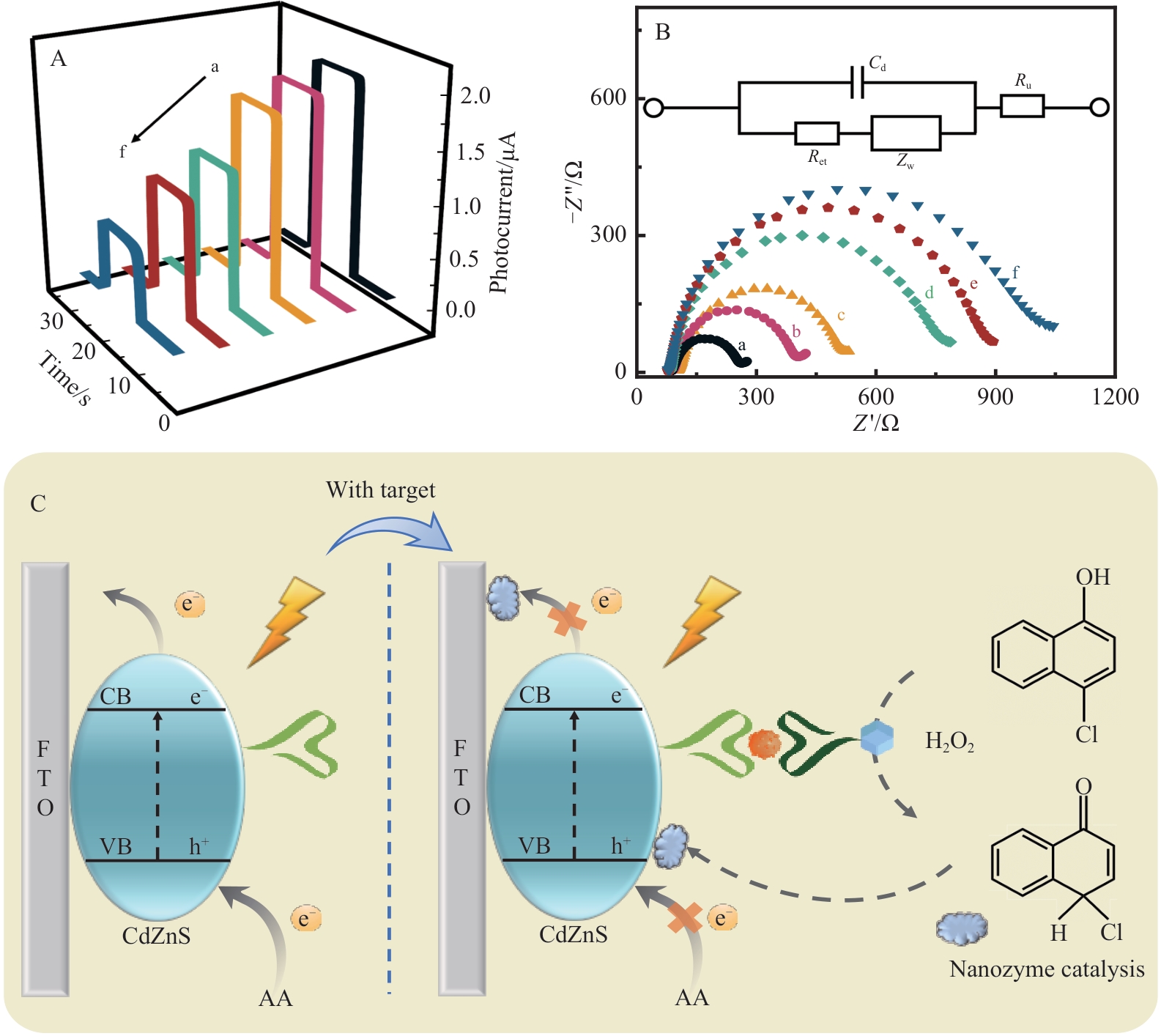
Fig.6 Photocurrent response during the construction process of PEC aptamer sensor (A), impedance spectrum (B) and possible electron transfer mechanism of PEC aptamer sensor (C)
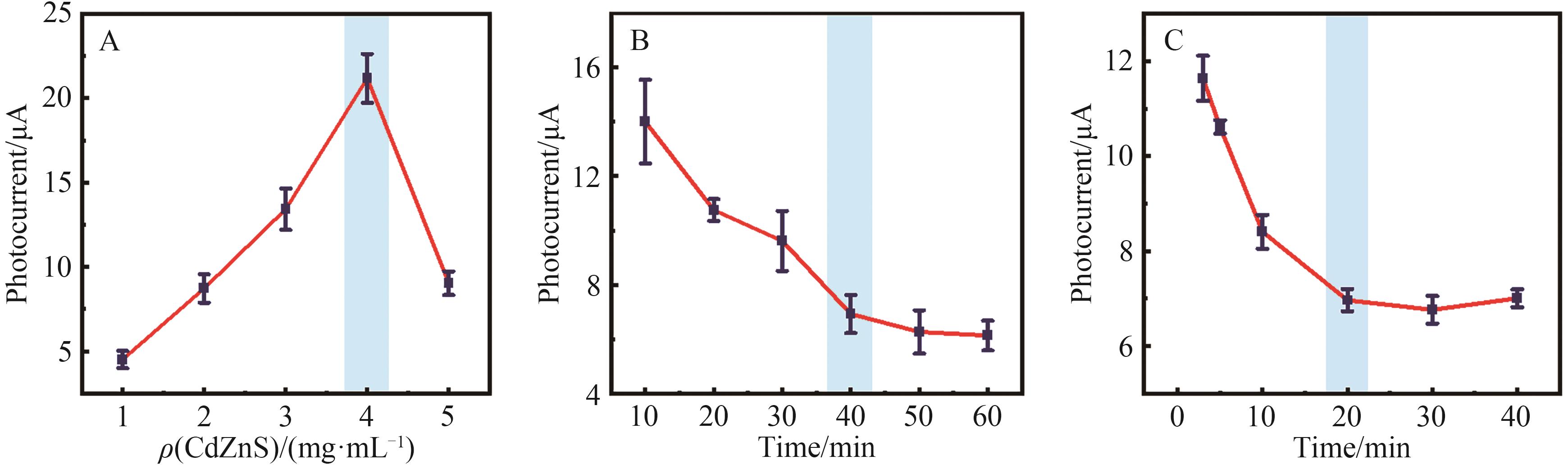
Fig.7 Optimization of CdZnS loading concentration (A), target compounds cTnI and Apta 2-Hemin/BSA@ZIF-8 incubation time of nanoenzyme (B) and precipitation reaction time catalyzed by nanoenzyme (C)
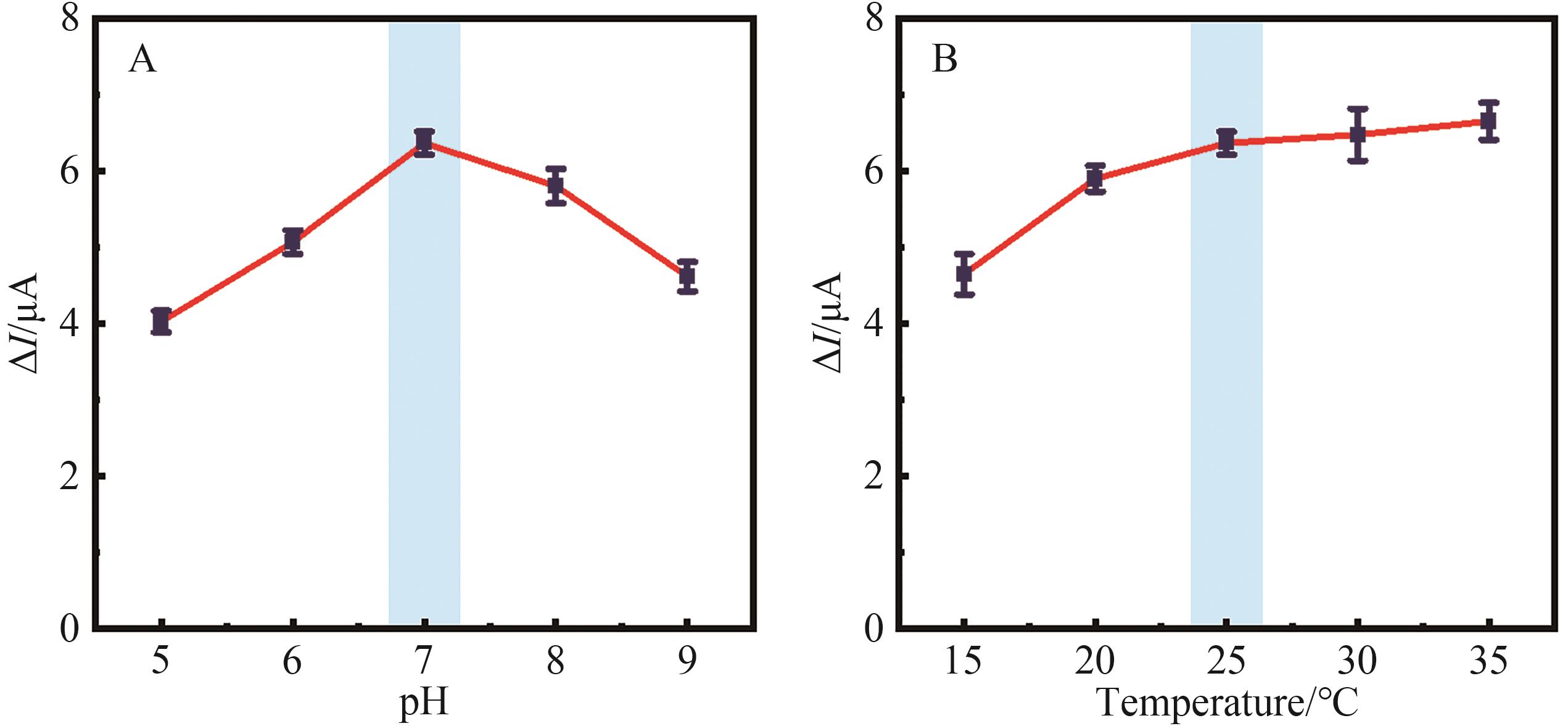
Fig.8 Temperature (A) and pH value (B) optimized for nanoenzyme catalytic environment, with error bars representing the standard deviation of three independent detection results
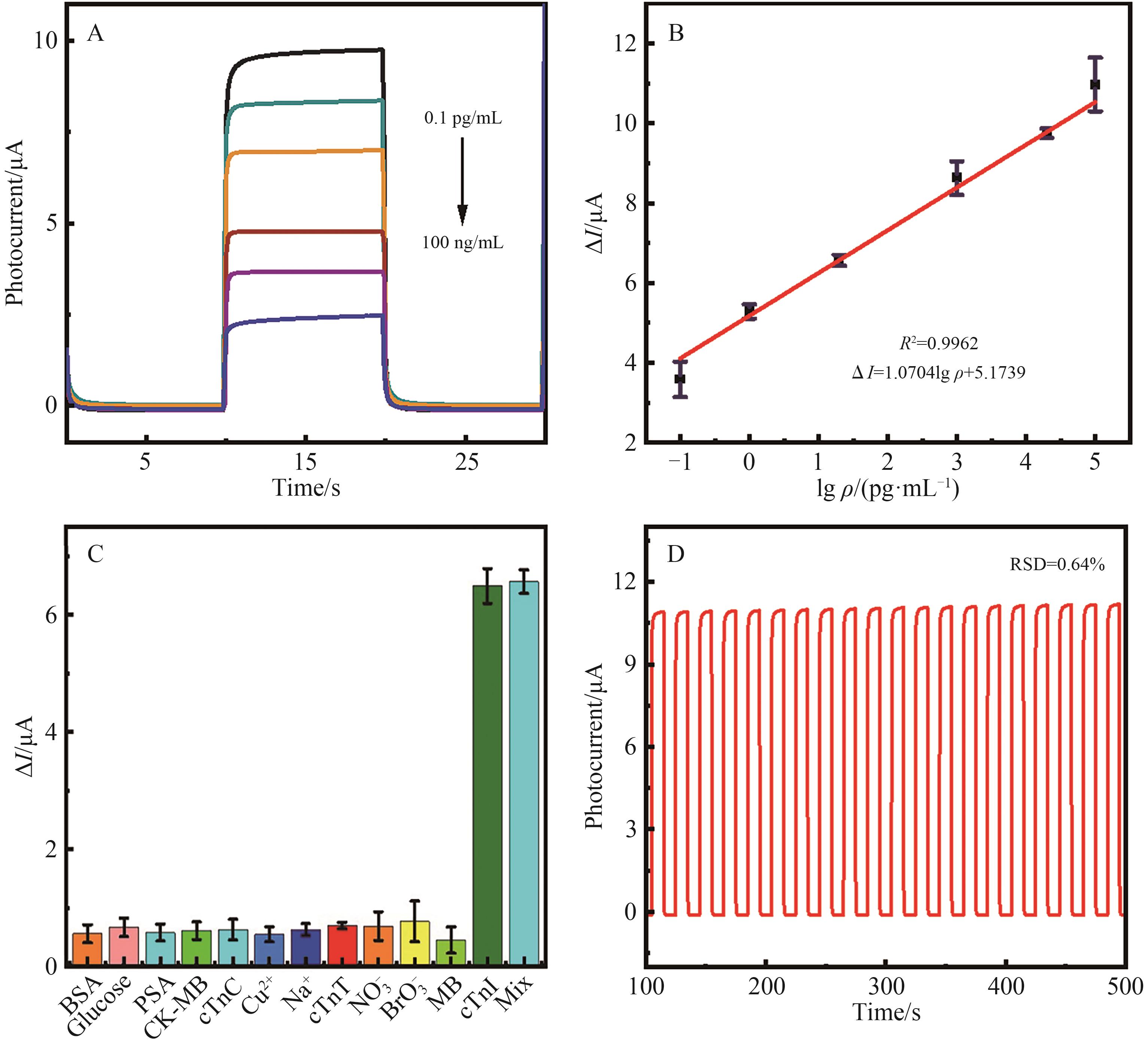
Fig.9 The photocurrent response curves (A) and corresponding calibration curves (B) of different concentrations of cTnI; Compared with other interferents (100 fold) such as CK-MB, PSA, MB, cTnT, copper ions, nitrate ions, and bromate ions, the PEC aptamer sensor exhibits selectivity for ρ(cTnI)=10 pg/mL (C); The stability of the PEC aptamer sensor for ρ(cTnI)=0.1 pg/mL with repeated on/off illumination cycles within 400 s (D)
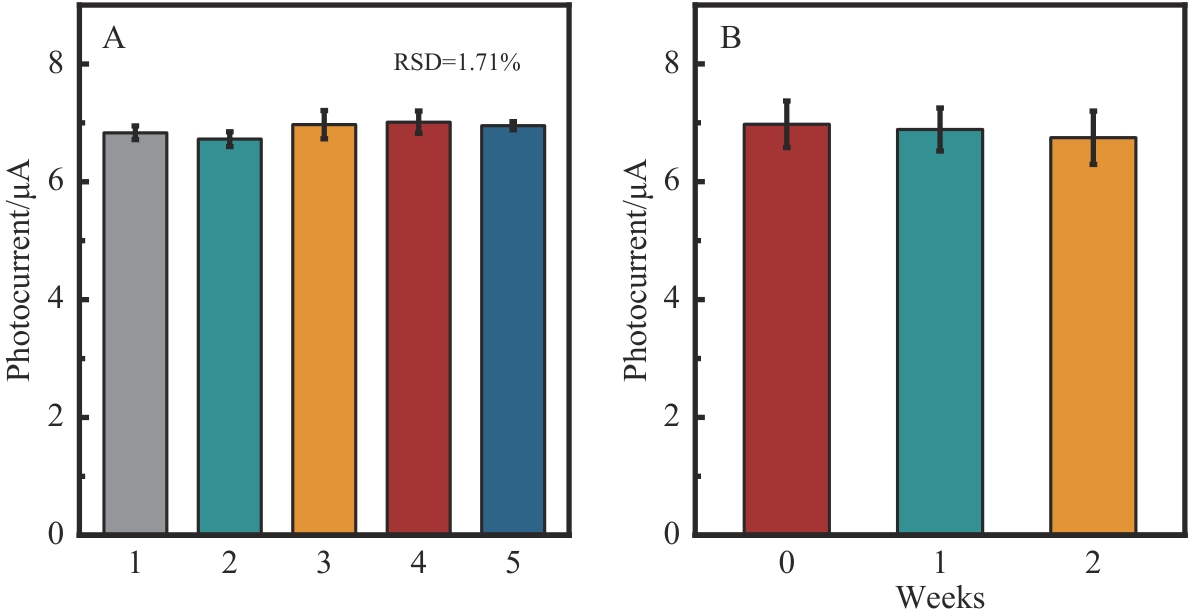
Fig.10 Repeatability (A) and long-term stability (B) of PEC aptamer sensor
| Sample | Addition/(pg·mL-1) | Detection/(pg·mL-1) | Average/(pg·mL-1) | Recovery/% | RSD/%(n=3) | ||
|---|---|---|---|---|---|---|---|
| Human serum | 1.00 | 0.99 | 1.04 | 1.01 | 1.02 | 101.60 | 2.38 |
| 10.00 | 9.53 | 10.21 | 10.38 | 10.04 | 100.40 | 4.45 | |
| 100.00 | 91.70 | 98.24 | 100.20 | 96.52 | 98.32 | 1.87 | |
Table 1 Actual sample detection performance of PEC aptamer sensor
| Sample | Addition/(pg·mL-1) | Detection/(pg·mL-1) | Average/(pg·mL-1) | Recovery/% | RSD/%(n=3) | ||
|---|---|---|---|---|---|---|---|
| Human serum | 1.00 | 0.99 | 1.04 | 1.01 | 1.02 | 101.60 | 2.38 |
| 10.00 | 9.53 | 10.21 | 10.38 | 10.04 | 100.40 | 4.45 | |
| 100.00 | 91.70 | 98.24 | 100.20 | 96.52 | 98.32 | 1.87 | |
| [1] | GAO T, ZHOU Z, CHENG D, et al. Electrochemical biosensor for highly sensitive detection of cTnI based on a dual signal amplification strategy of ARGET ATRP and ROP[J]. Talanta, 2024, 266: 125009. |
| [2] | CHEN H, LI Z Y, CHEN J, et al. CRISPR/Cas12a-based electrochemical biosensor for highly sensitive detection of cTnI[J]. Bioelectrochemistry, 2022, 146: 108167. |
| [3] | HONG F, SONG L, ZHU Y Y, et al. Cardiac troponin I, myoglobin, and creatine kinase-Mb as new biomarkers for diagnosis of neonatal hypoxic ischemic encephalopathy[J]. J Biol Regul Homeost Agents, 2019, 33(4): 1201-1207. |
| [4] | HAN G R, GONCHAROV A, ERYILMAZ M, et al. Deep learning-enhanced paper-based vertical flow assay for high-sensitivity troponin detection using nanoparticle amplification[J]. ACS Nano, 2024, 18(41): 27933-27948. |
| [5] | ZHOU Y, YIN H, AI S. Applications of two-dimensional layered nanomaterials in photoelectrochemical sensors: a comprehensive review[J]. Coord Chem Rev, 2021, 447: 214156. |
| [6] | PENG B, ZHANG Z, TANG L, et al. Self-powered photoelectrochemical aptasensor for oxytetracycline cathodic detection based on a dual Z-scheme WO3/g-C3N4/MnO2 photoanode[J]. Anal Chem, 2021, 93(26): 9129-9138. |
| [7] | ZHAO W W, XU J J, CHEN H Y. Photoelectrochemical aptasensing[J]. TrAC Trends Anal Chem, 2016, 82: 307-315. |
| [8] | XIN F F, XU J J, ZHANG J, et al. Nanozyme-assisted ratiometric photoelectrochemical aptasensor over Cu2O nanocubes mediated photocurrent-polarity-switching based on S-scheme FeCdS@FeIn2S4 heterostructure[J]. Biosens Bioelectron, 2023, 237: 115442. |
| [9] | HONG P, LI W, LI J. Applications of aptasensors in clinical diagnostics[J]. Sensors, 2012, 12(2): 1181-1193. |
| [10] | SHI L, YIN Y, ZHANG L C, et al. Design and engineering heterojunctions for the photoelectrochemical monitoring of environmental pollutants: a review[J]. Appl Catal B: Environ, 2019, 248: 405-422. |
| [11] | YU K, HUANG H B, ZENG X Y, et al. CdZnS nanorods with rich sulphur vacancies for highly efficient photocatalytic hydrogen production[J]. Chem Commun, 2020, 56(56): 7765-7768. |
| [12] | YU T, SUN K, WANG K, et al. Ni doped noble-metal-free CdZnNiS photocatalyst for high-efficient photocatalytic hydrogen evolution reduction by visible light driving[J]. Mater Lett, 2019, 239: 159-162. |
| [13] | HUANG X, WILLINGER M G, FAN H, et al. Single crystalline wurtzite ZnO/zinc blende ZnS coaxial heterojunctions and hollow zinc blende ZnS nanotubes: synthesis, structural characterization and optical properties[J]. Nanoscale, 2014, 6(15): 8787-8795. |
| [14] | HSU Y J, LU S Y. One-step preparation of coaxial CdS-ZnS nanowires[J]. Chem Commun, 2004(18): 2102-2103. |
| [15] | HSU Y J, LU S Y, LIN Y F. One-step preparation of coaxial CdS-ZnS and Cd1- xZnxS-ZnS nanowires[J]. Adv Funct Mater, 2005, 15(8): 1350-1357. |
| [16] | XIAO P, JIANG D, JU L, et al. Construction of RGO/CdIn2S4/g-C3N4 ternary hybrid with enhanced photocatalytic activity for the degradation of tetracycline hydrochloride[J]. Appl Surf Sci, 2018, 433: 388-397. |
| [17] | CHEN W, HUANG T, HUA Y X, et al. Hierarchical CdIn2S4 microspheres wrapped by mesoporous g-C3N4 ultrathin nanosheets with enhanced visible light driven photocatalytic reduction activity[J]. J Hazard Mater, 2016, 320: 529-538. |
| [18] | HUANG H B, FANG Z B, YU K, et al. Visible-light-driven photocatalytic H2 evolution over CdZnS nanocrystal solid solutions: interplay of twin structures, sulfur vacancies and sacrificial agents[J]. J Mater Chem A, 2020, 8(7): 3882-3891. |
| [1] | Jie-Xia CHEN, Zhuo-Er LIU, Chang-Ning LU, Ke-Xin YANG, Zi-Yan CHEN, Yan WEI. Construction of a Photoelectrochemical Biosensor Based on ZnS-Modified Electrode for the Determination of L-Cysteine [J]. Chinese Journal of Applied Chemistry, 2025, 42(3): 321-329. |
| [2] | Chun-Ying YAO, Xiao-Yan ZHU, Yan-Ling LIU. A 3D Glucose Electrochemical Sensor Integrated with Collagen Hydrogel for Real-Time Monitoring of Cell Metabolism [J]. Chinese Journal of Applied Chemistry, 2024, 41(1): 156-163. |
| [3] | Ming-Yan LIU, Xiu-Ding SHI, Tian-Guo LI, Jing WANG. Research Progress in Detection of Heavy Metal Ions by Electrochemical Analysis [J]. Chinese Journal of Applied Chemistry, 2023, 40(4): 463-475. |
| [4] | Rui ZHOU, Zi-Pin ZHANG. A Novel Electrochemical Method for Berberine Detection in Biological Fluids [J]. Chinese Journal of Applied Chemistry, 2023, 40(4): 518-526. |
| [5] | Shi-Peng JIANG, Yu-Xi ZHOU, Pei-Ran MENG, Yan-Xuan XIE, Zhi-Yi SONG, Huan-Ying ZHAO, Yue SUN. Preparation and Properties of Ultramicro Imprinting Sensor for Human Serum Albumin via Metal-free Visible-light-induced Atom Transfer Radical Polymerization [J]. Chinese Journal of Applied Chemistry, 2023, 40(2): 299-308. |
| [6] | Li QIN, Xiao-Ting YOU, Lu-Hua TANG, Jian-Wen LI, Yin ZHANG, Wen-Hui GAO, Jun-Hua HAN. Preparation and Application of Auramine O Imprinted Sensor Based on Nanomaterials Modification [J]. Chinese Journal of Applied Chemistry, 2022, 39(12): 1880-1890. |
| [7] | Jia-Xin GUO, Yang LIU, Chang-Shan XU, Xiao-Nan LIU, Liang CHENG. The Changes of Mg2+ Mass Concentration in MgO NPs Suspension and Its Effects on the Growth of Wheat (Triticum aestivum L.) under Different pH [J]. Chinese Journal of Applied Chemistry, 2022, 39(9): 1401-1411. |
| [8] | Shan SHAO, Jian ZHANG, Kai-Qiang DENG, Jie YANG, Shao-Ming YANG. Detection of Dopamine by Enzyme‑Free Sensor Constructed by Nickel‑Cobalt Bimetallic‑porphyrin Organic Framework Composites [J]. Chinese Journal of Applied Chemistry, 2022, 39(7): 1098-1107. |
| [9] | Qin YANG, Ning-Hua CHEN, Yu-Jie ZHANG, Zhi-Xiang YE, Ying-Chun YANG. Preparation of Cerium Zirconium Composite Oxide Modified Glassy Carbon Electrode and the Detection of Pb2+ in Water Samples [J]. Chinese Journal of Applied Chemistry, 2022, 39(6): 990-999. |
| [10] | XIONG Hai-Tao, WU Rui, WU Ying-Chun. Electrochemiluminescence Determination of Carbamazepine Based on the Nafion-Carbon Nanotube Modified Electrode [J]. Chinese Journal of Applied Chemistry, 2021, 38(6): 731-738. |
| [11] | GUO Xianhou1,2, WNAG Xueliang1, YU Zhangyu1,3*. Determination of Epinephrine by Graphene/Platinum Nanoparticle Hybrid Membrane Modified Electrode [J]. Chinese Journal of Applied Chemistry, 2014, 31(12): 1465-1471. |
| [12] | YU Hao*, ZHENG Xiaochen, LIU Rantong, JIN Jun, JIAN Xuan. Preparation of Copper-iron Hexacyanoferrate Loaded Multi-walled Carbon Nanotubes Modified Electrode for the Determination of Nitrite [J]. Chinese Journal of Applied Chemistry, 2014, 31(11): 1336-1344. |
| [13] | YANG Shaoming*, ZHA Wenling, SUN Qin, LI Hong, LI Ruiqin, SHANG Peiling. Label-free Elechochemical Aptasensor Based on Nickel Hexacyanoferrate for the Detection of Thrombin [J]. Chinese Journal of Applied Chemistry, 2014, 31(06): 742-748. |
| [14] | XU Siyuan, LEI Ping, JIN Guanping*. Determination of Pb(Ⅱ), Cd(Ⅱ) with Melamine Chelating Resin/Multi-walled Carbon Nanotubes Composites Modified Waxed Graphite Electrode [J]. Chinese Journal of Applied Chemistry, 2014, 31(02): 206-211. |
| [15] | AN Lingling1, LU Maofeng1, DENG Lingling1, DU Jiangyan1,2,3*. Electrochemical Activities of 8-Hydroxydeoxyguanosine in Chitosan/Graphene Modified Glassy Carbon Electrode and Detection of DNA Oxidative Damage [J]. Chinese Journal of Applied Chemistry, 2014, 31(02): 200-205. |
| Viewed | ||||||
|
Full text |
|
|||||
|
Abstract |
|
|||||
