
Chinese Journal of Applied Chemistry ›› 2025, Vol. 42 ›› Issue (7): 885-900.DOI: 10.19894/j.issn.1000-0518.240420
• Review • Next Articles
Yi CHEN1, Yi-Ge MA1, Ji GUO3, Xin-Zhi SHAN1,2( ), Xiu-Min GAO1
Received:2024-12-19
Accepted:2025-05-23
Published:2025-07-01
Online:2025-07-23
Contact:
Xin-Zhi SHAN
About author:sxz@usst.edu.cnSupported by:CLC Number:
Yi CHEN, Yi-Ge MA, Ji GUO, Xin-Zhi SHAN, Xiu-Min GAO. Research Progress of Gas Analysis Methods and Applications Based on Optical Detection Technology[J]. Chinese Journal of Applied Chemistry, 2025, 42(7): 885-900.
Add to citation manager EndNote|Ris|BibTeX
URL: http://yyhx.ciac.jl.cn/EN/10.19894/j.issn.1000-0518.240420
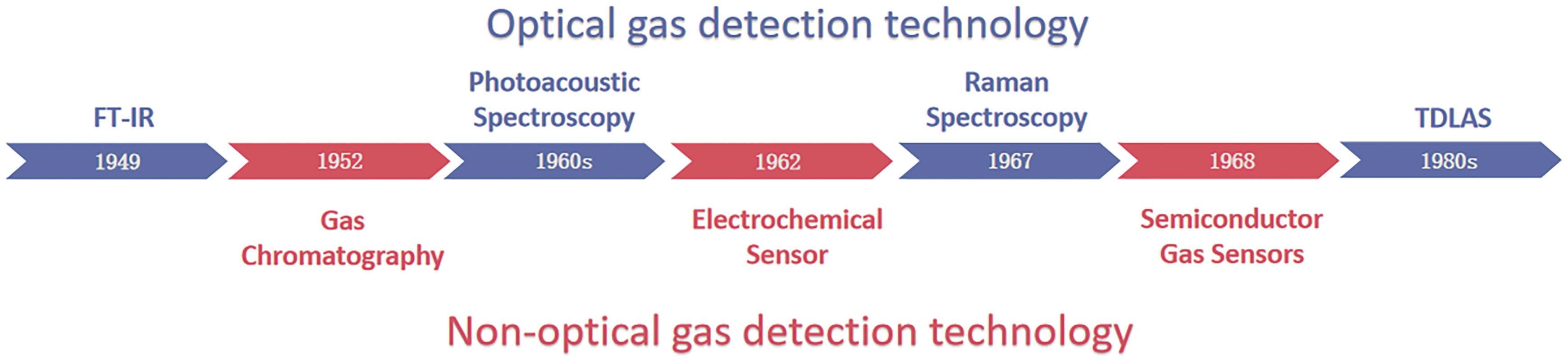
Fig.1 Development of gas detection technology
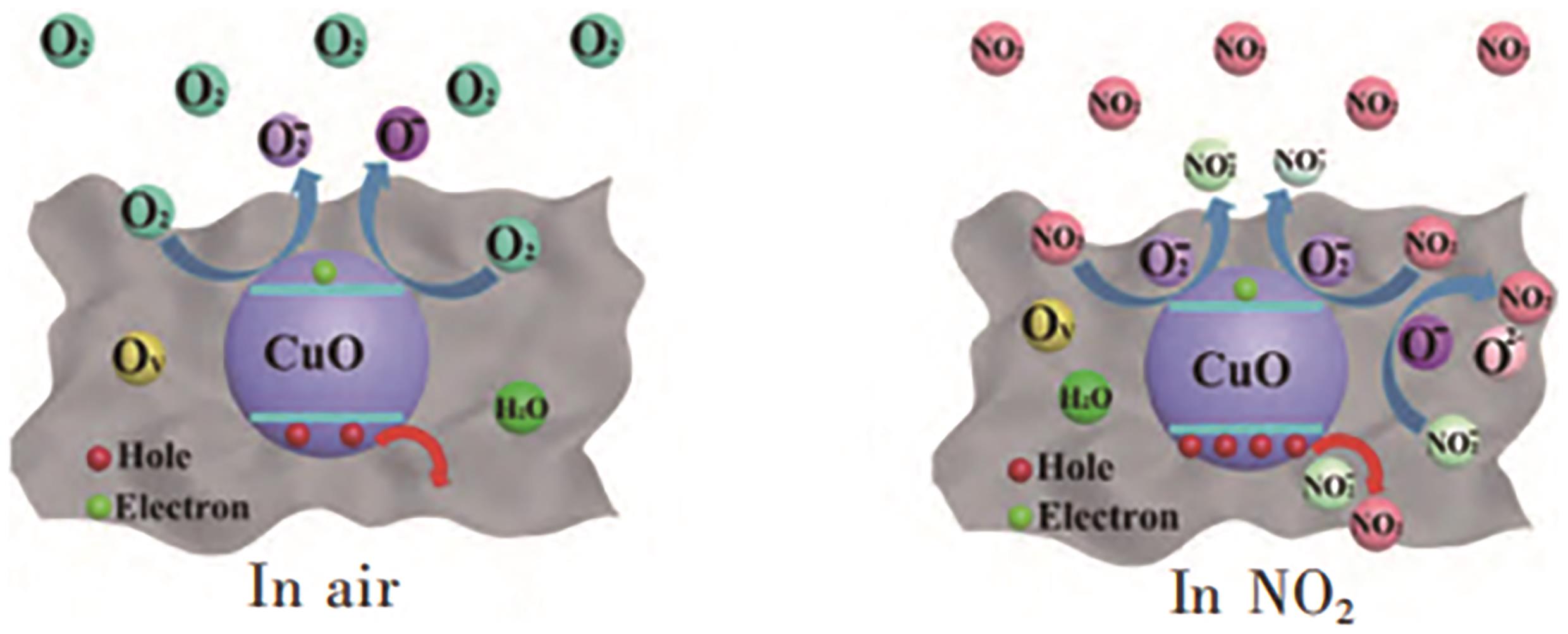
Fig.2 Schematic diagrams of compact, automated and inexpensive gas sensor mechanism[10]
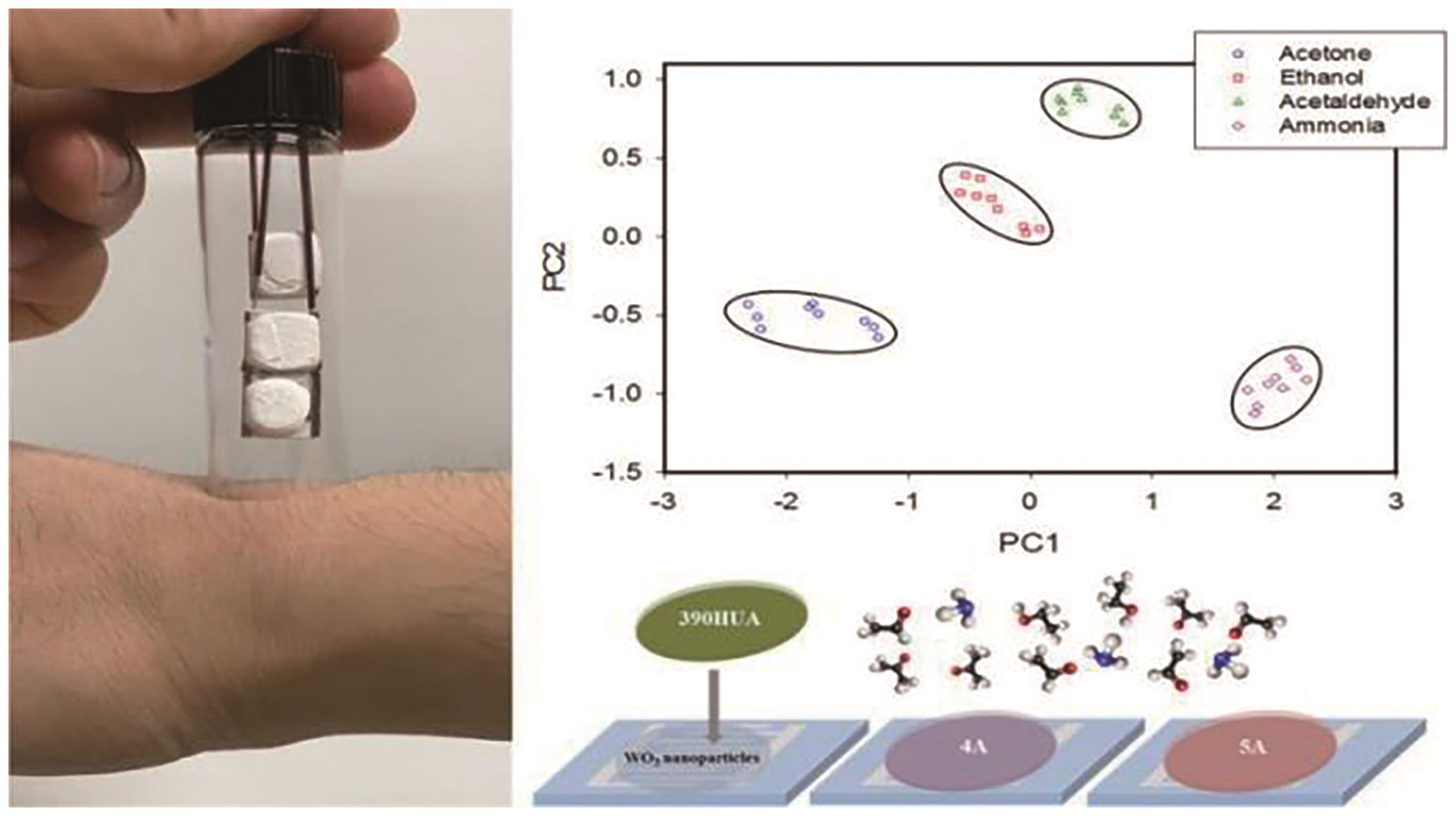
Fig.3 An array of three sensors made of a layer of WO3 nanoparticles[12]
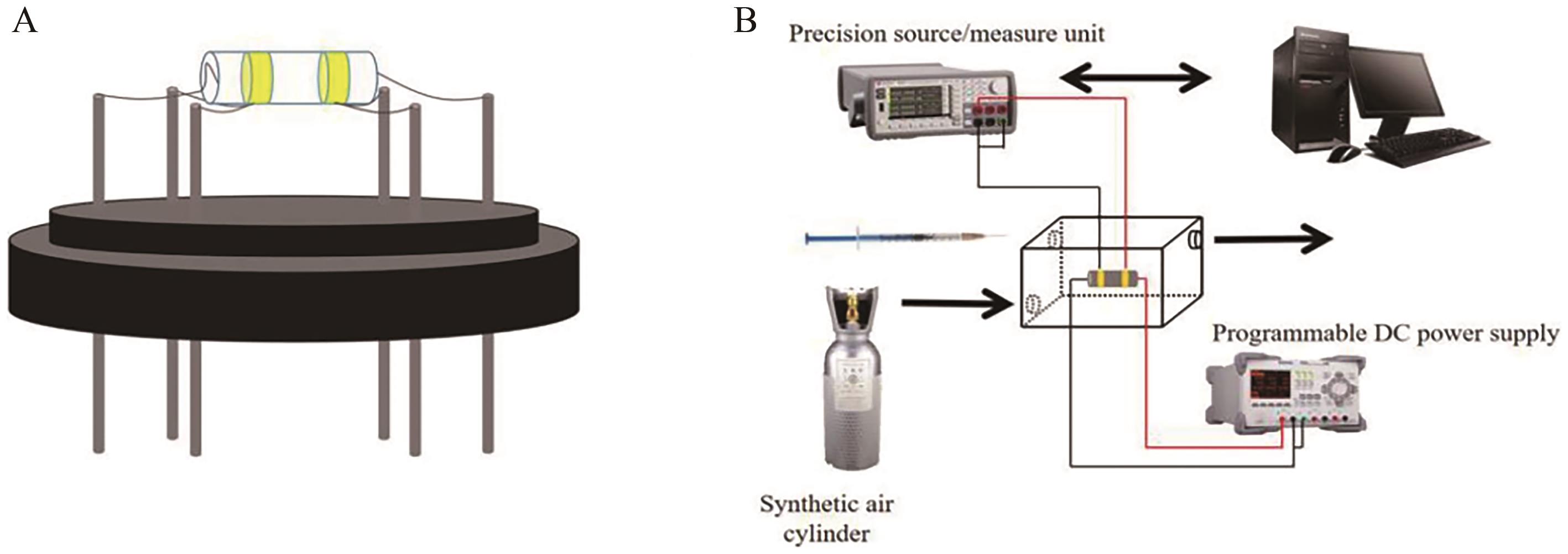
Fig.4 Schematic diagram of sensor (A) and measurement platform (B)[13]
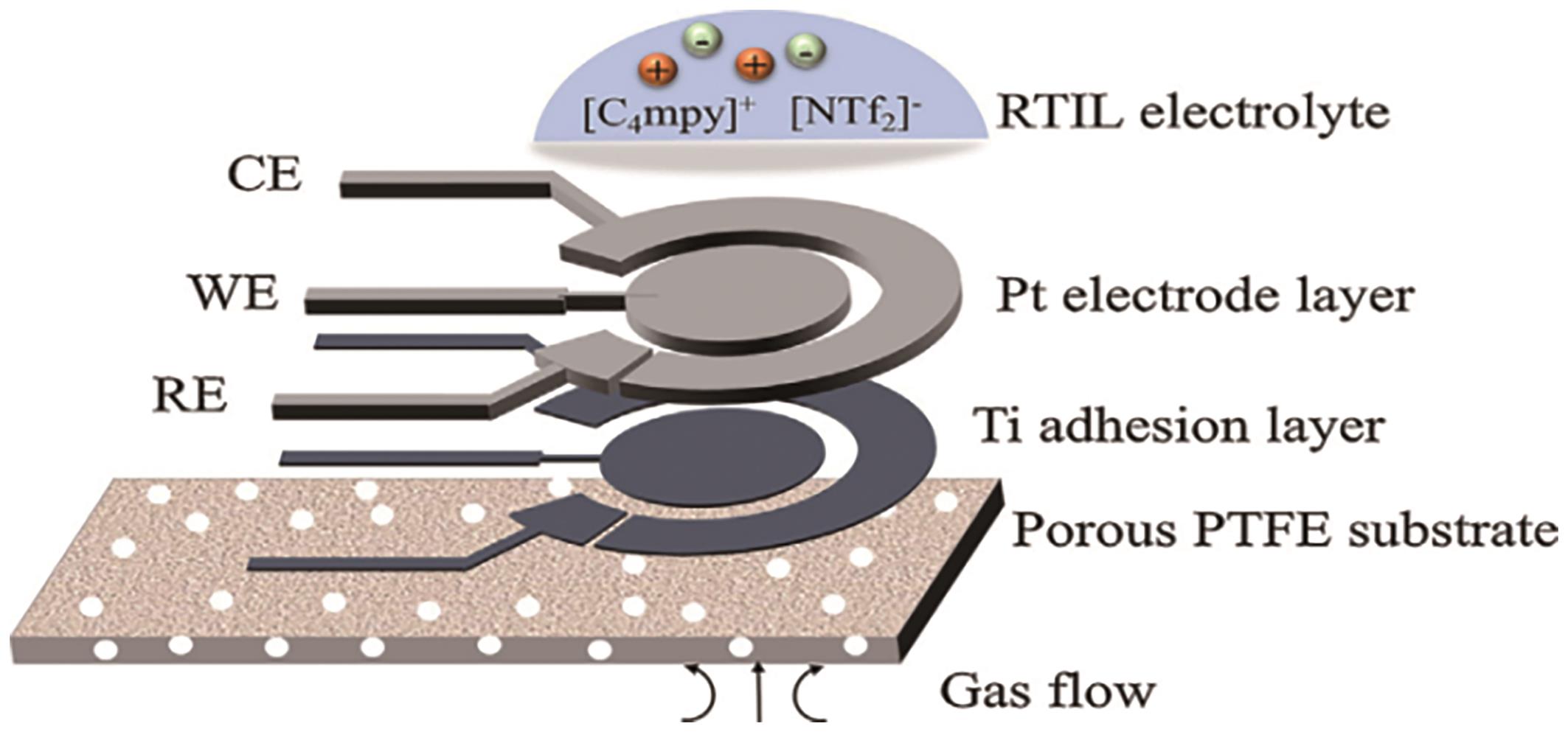
Fig.5 The structure schematic of the MPRE gas sensor[14]
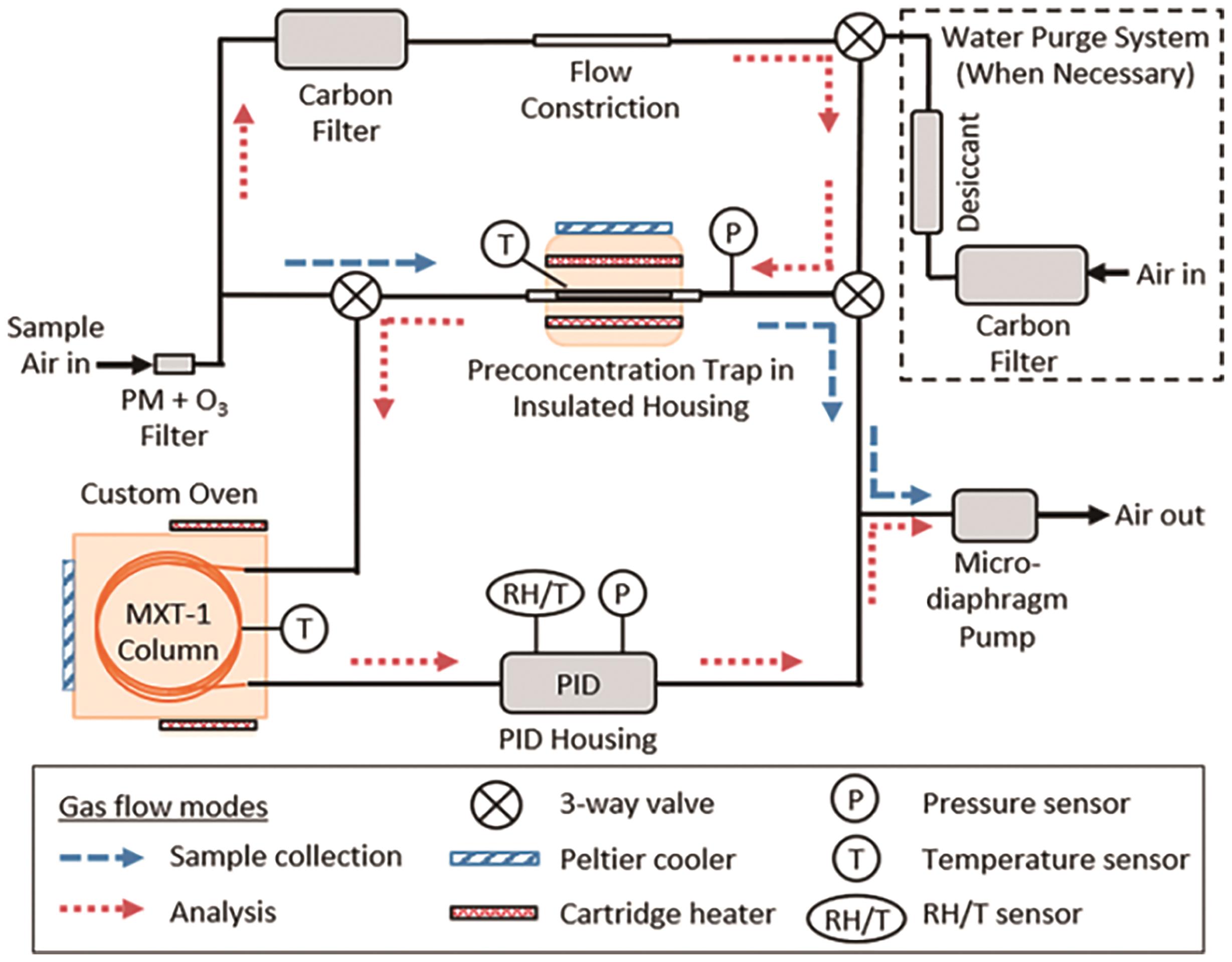
Fig.6 Flow diagram of compact, automated and inexpensive gas chromatograph[18]
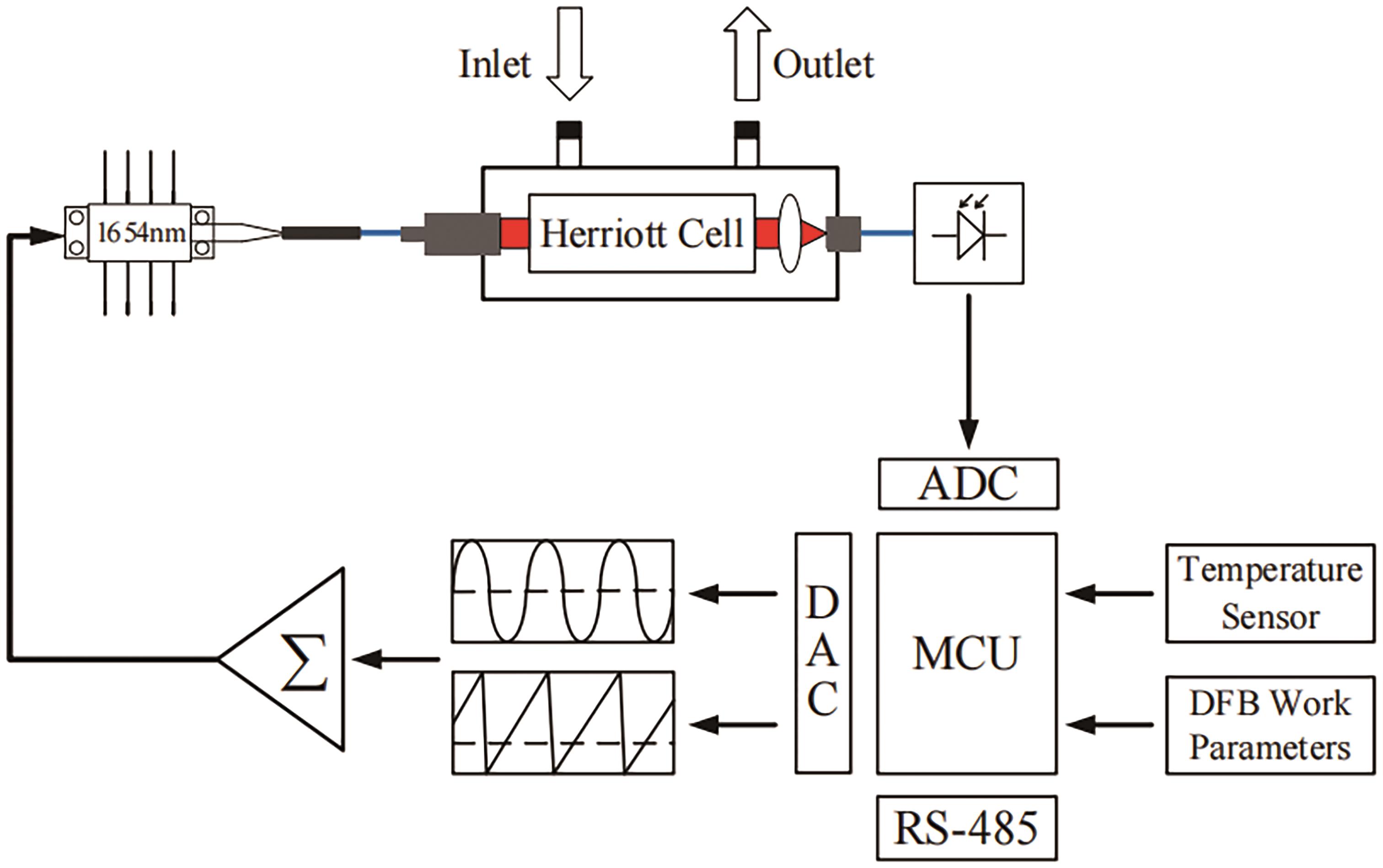
Fig.7 Temperature corrected TDLAS gas detection structure diagram[22]
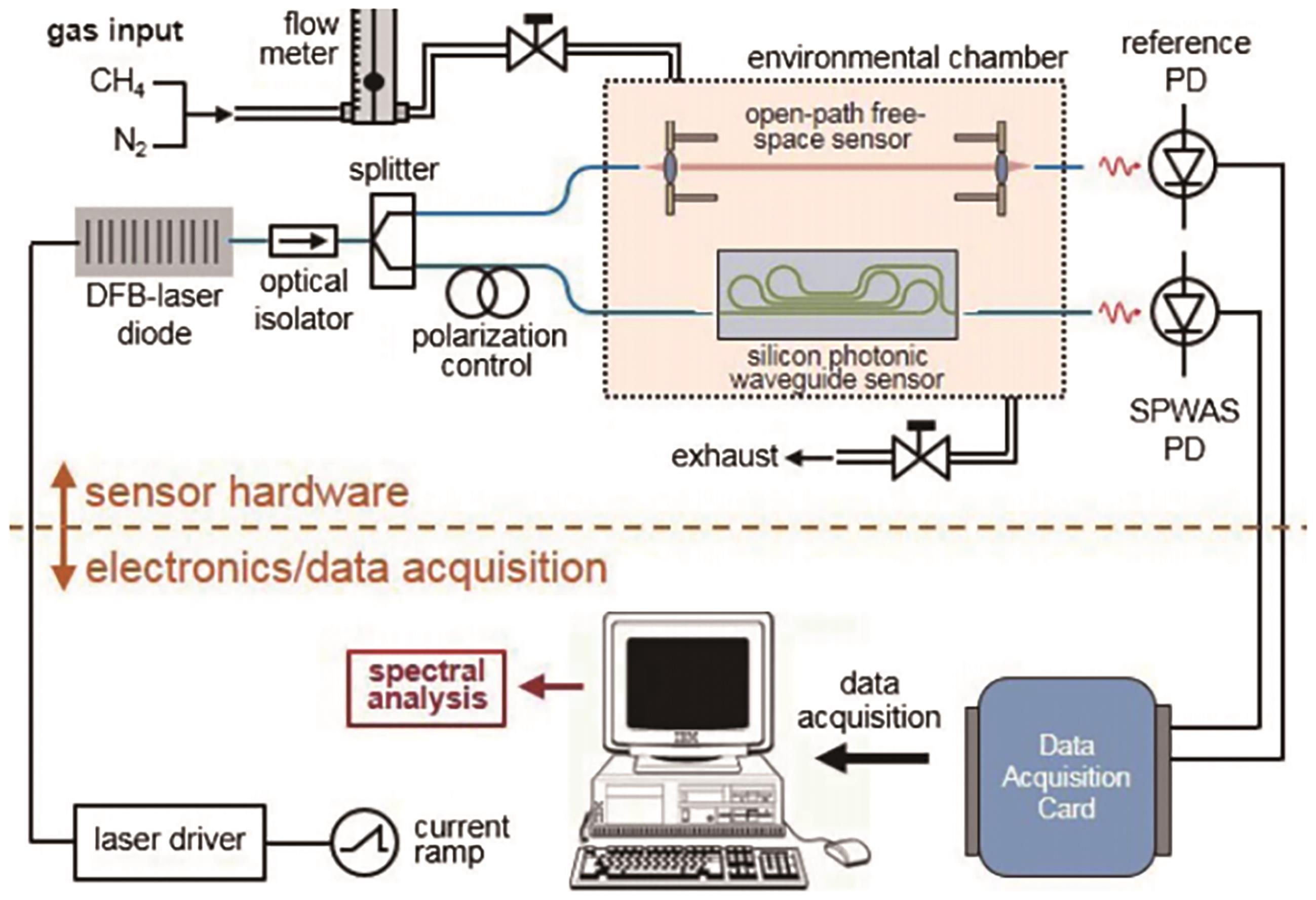
Fig.8 Apparatus for performance testing of the SPWAS, housed within a sealed chamber for controlled CH4 release studies[23]
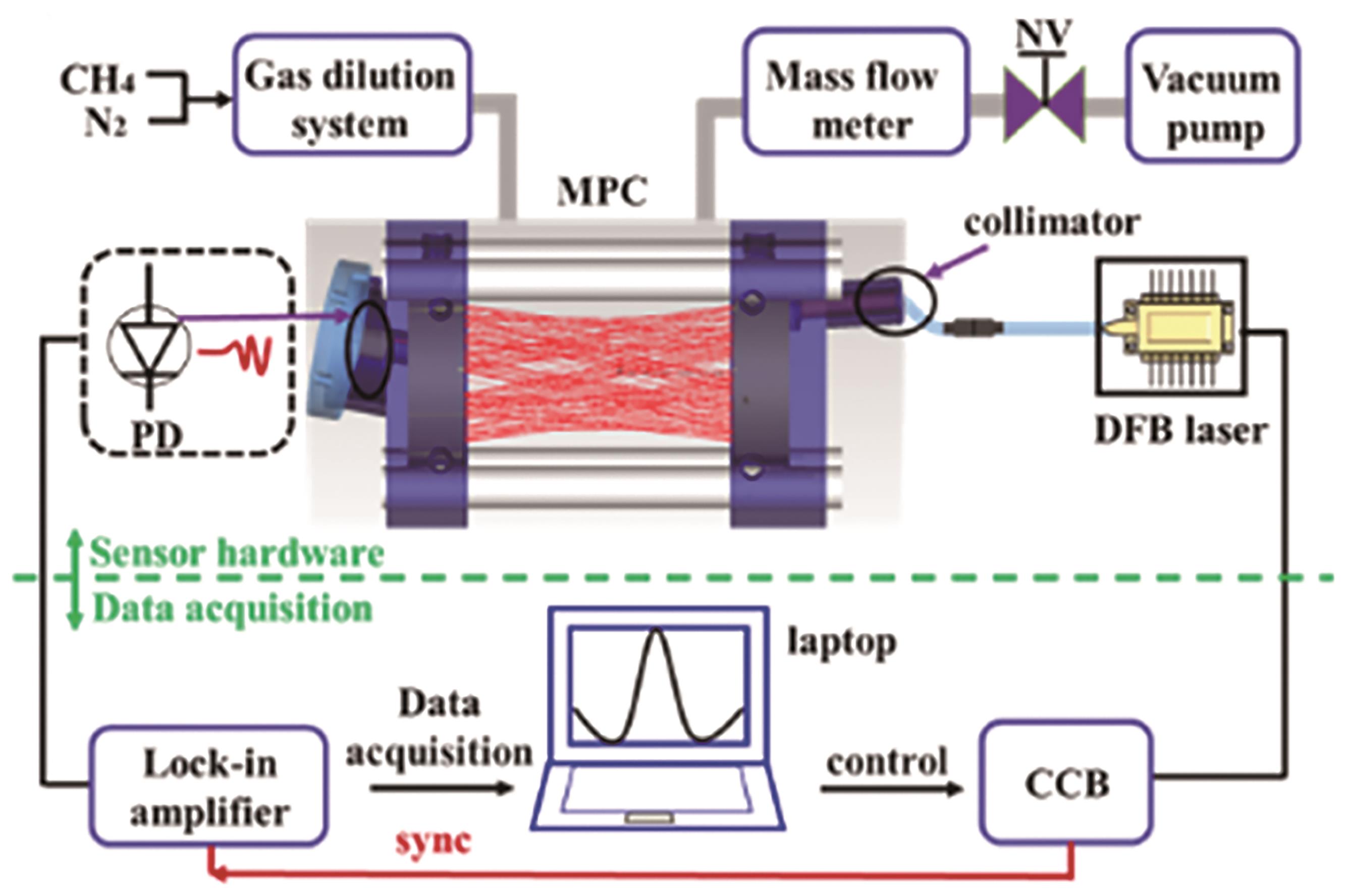
Fig.9 Schematic diagram of CH4 sensor using miniature fiber-coupled multipass cells[24]
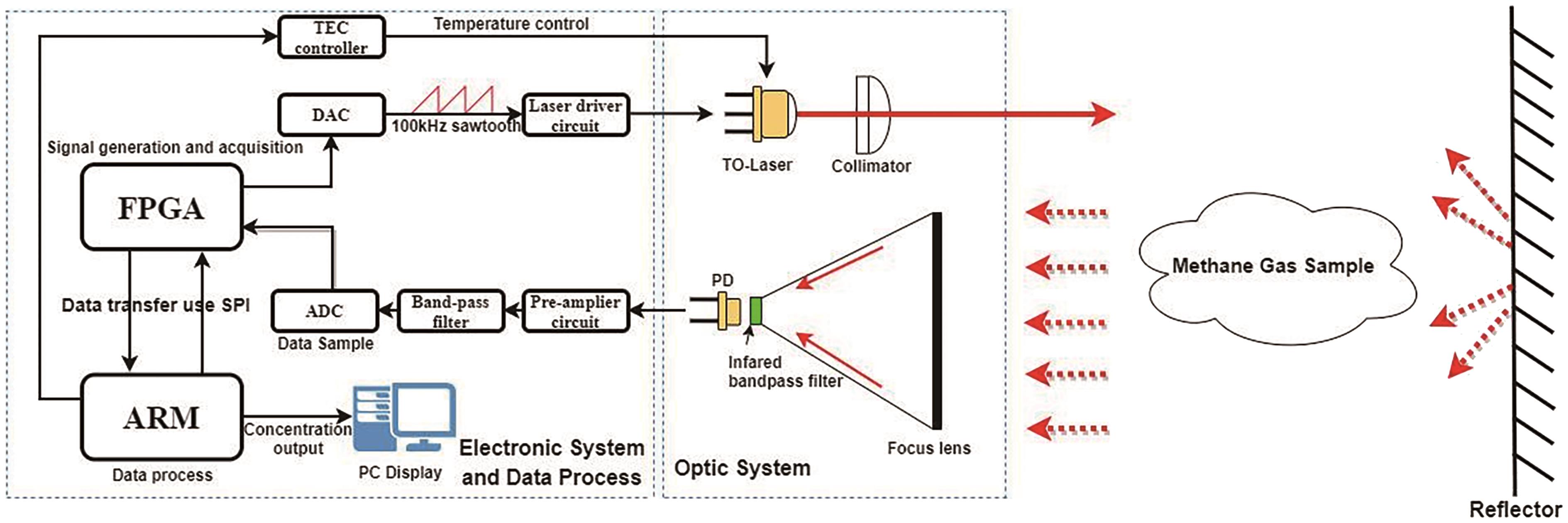
Fig.10 Overall block diagram of the methane telemetry sensor[25]
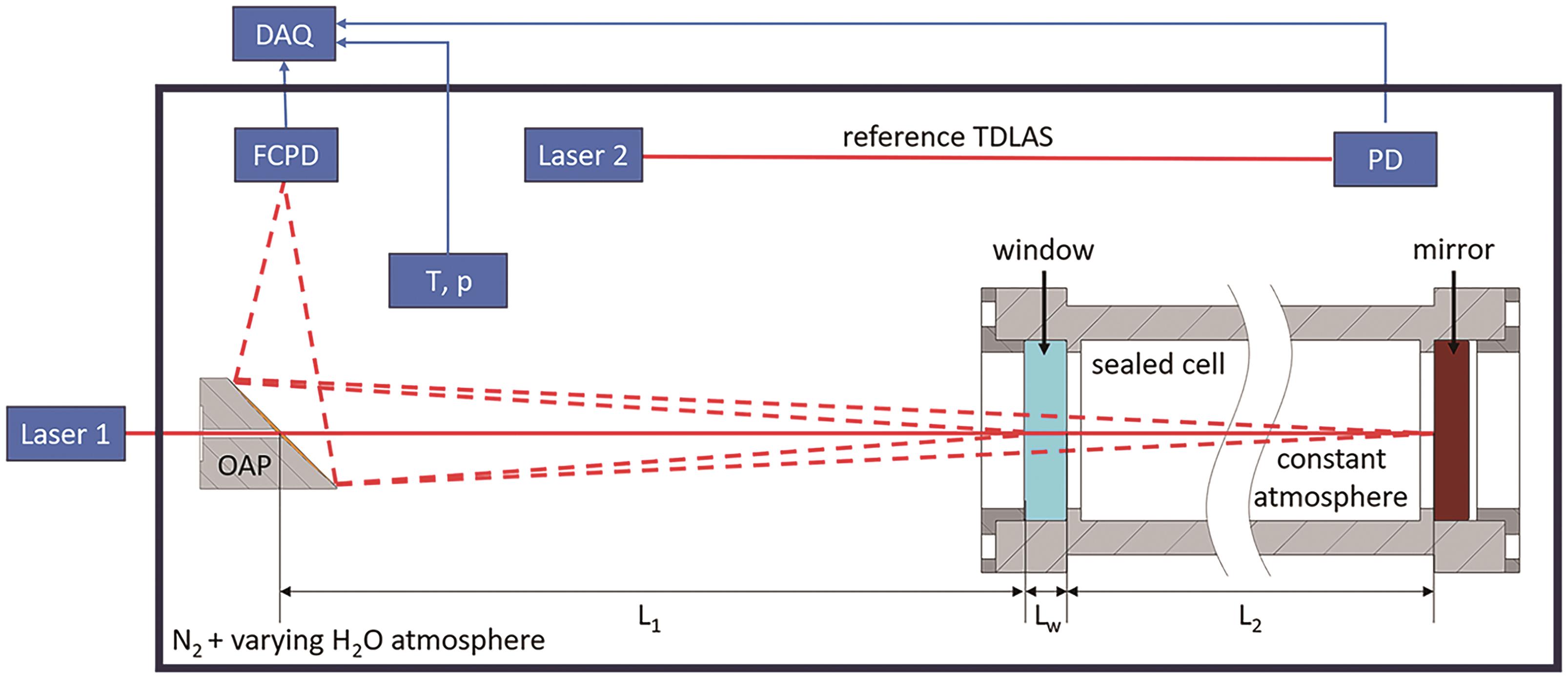
Fig.11 Experimental schematic: Temperature tuned Laser 1 is led through an off-axis parabolic mirror (OAP) in the ROI. Reflections from the window and mirror at the sealed cell are collected by a high bandwidth fiber coupled photodiode (FCPD) and analyzed in the DAQ-system[26]
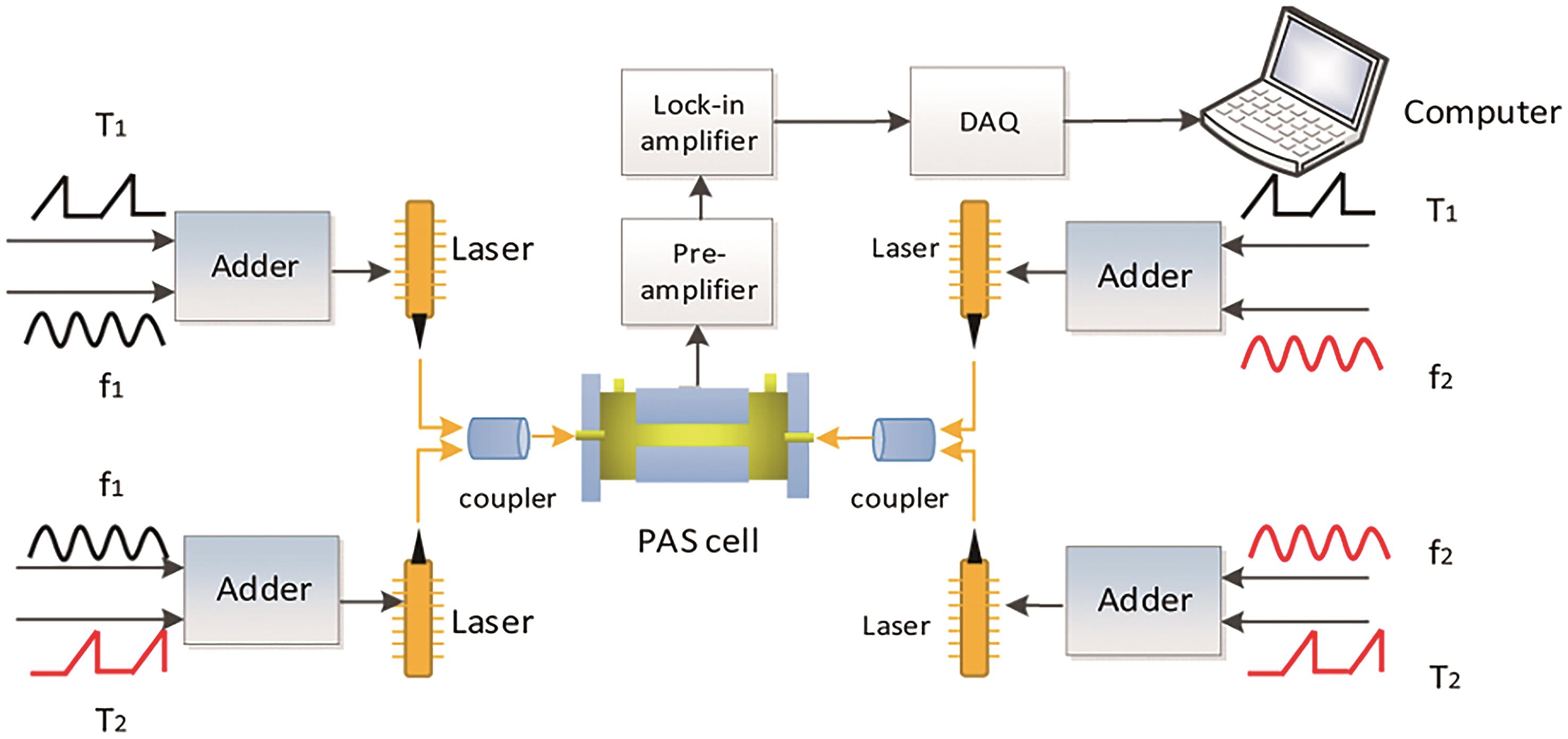
Fig.12 Schematic diagram of the trace multicomponent gas sensor[32]
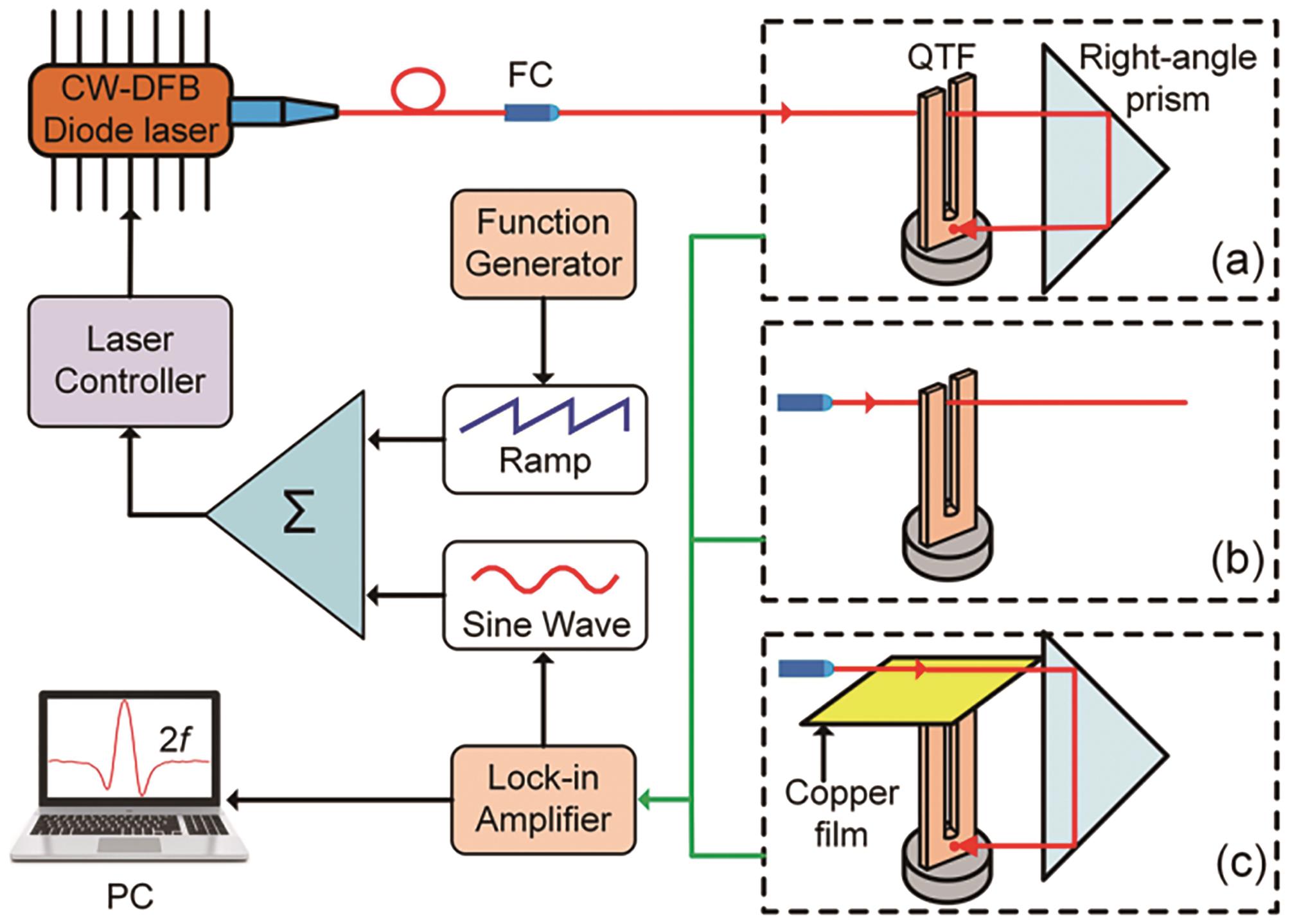
Fig.13 Trace gas sensor based on S-QEDS: (a) S-QEDS sensor system configuration; (b) QEPAS sensor system configuration; (c) QEPTS sensor system configuration[33]
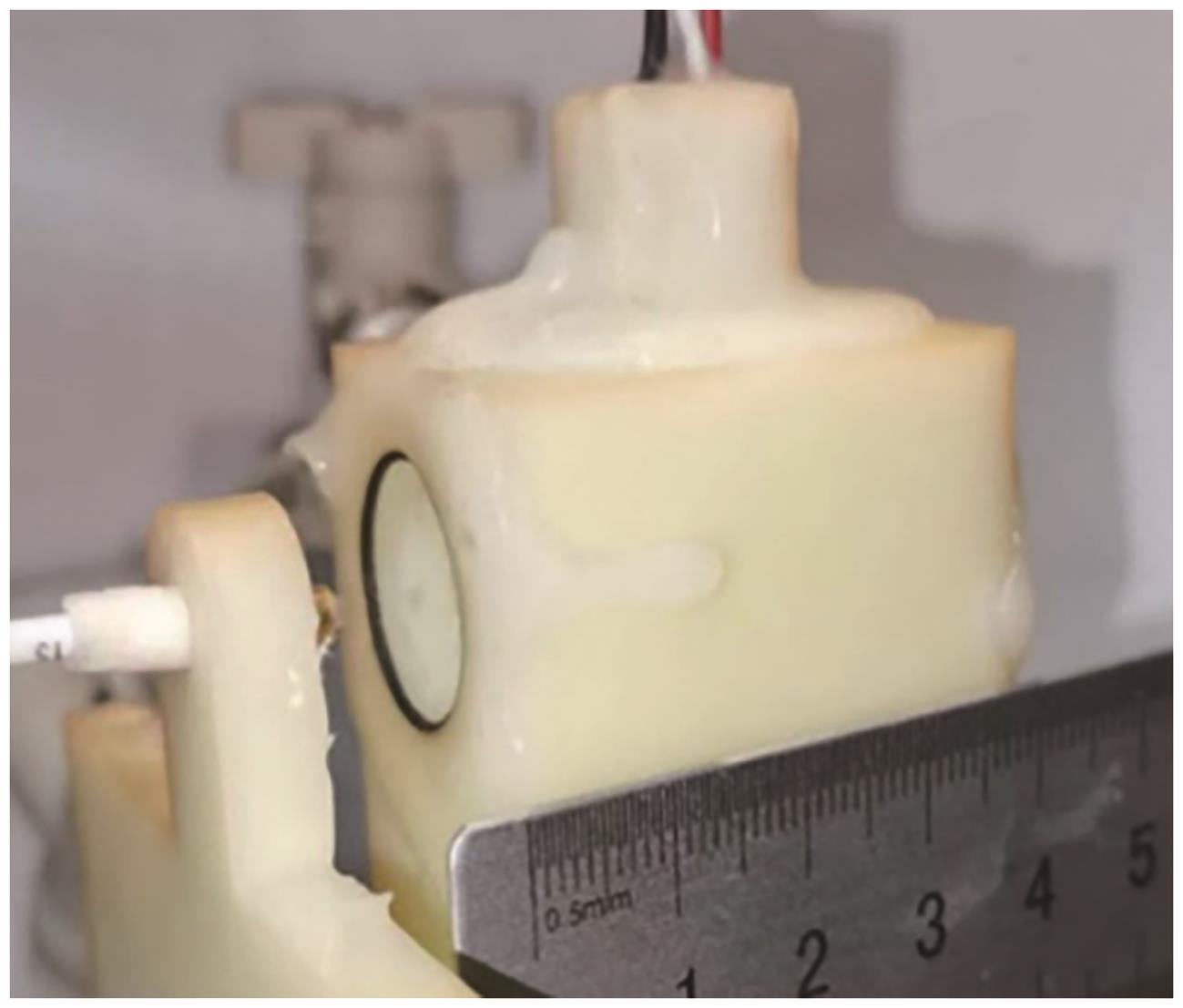
Fig.14 Photo of photoacoustic cells by 3D print[35]
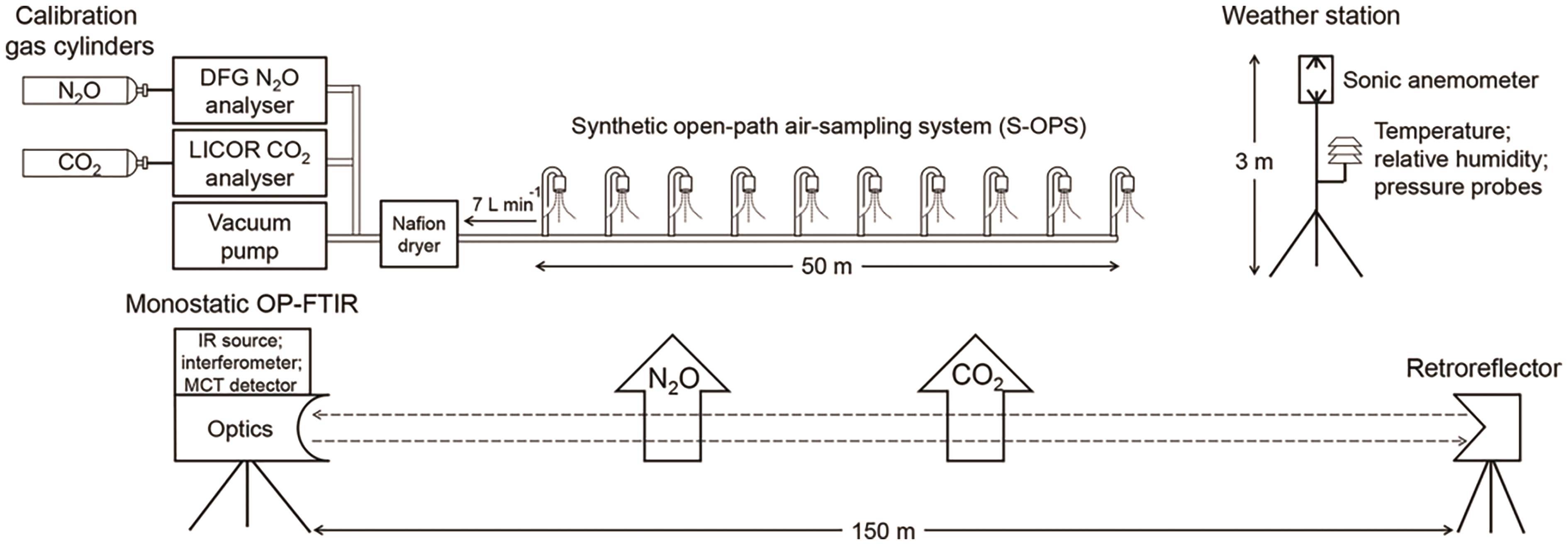
Fig.15 Schematic of the instrumentation used to assess the accuracy of N2O and CO2 concentration determined by OP-FTIR[41]
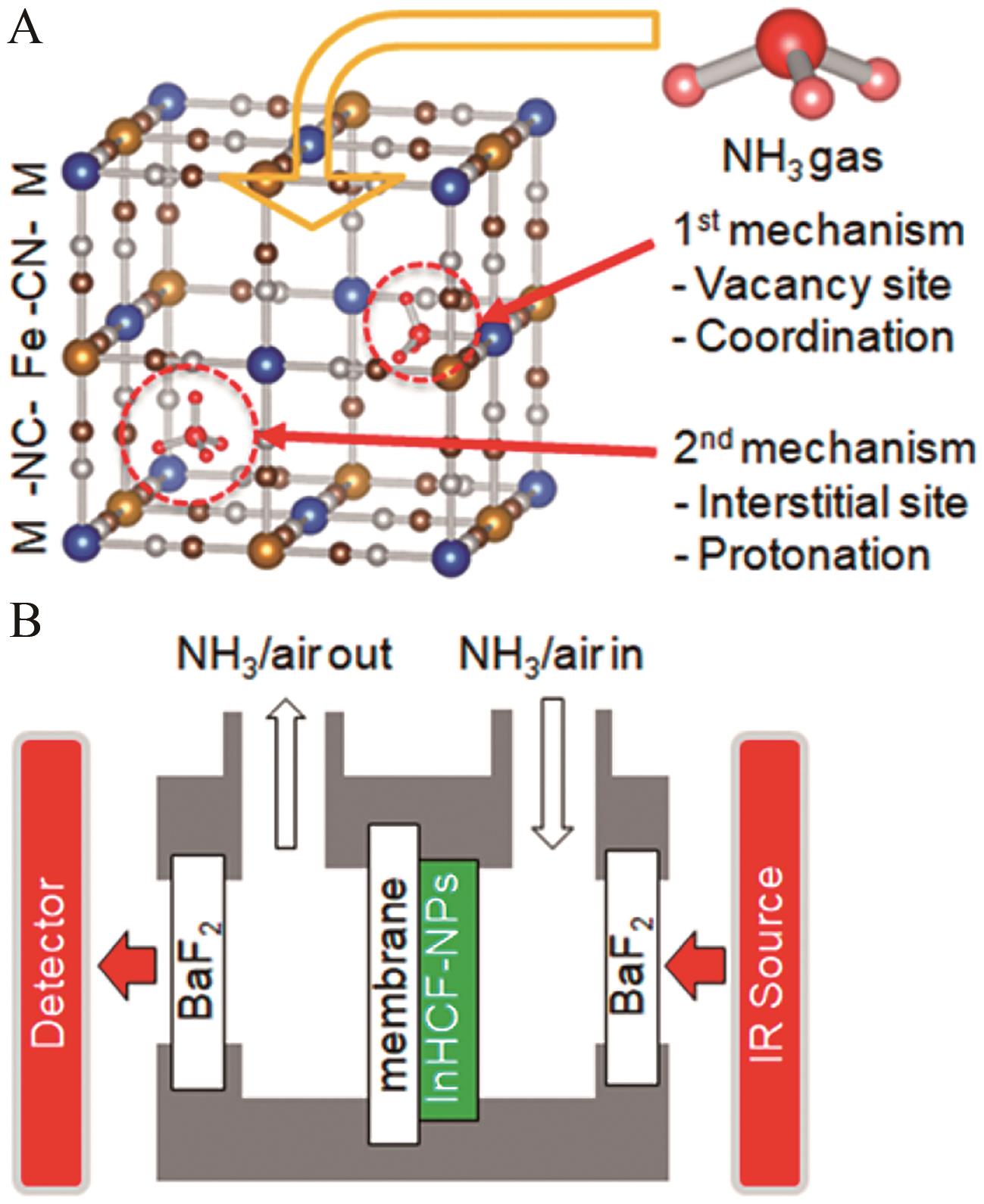
Fig.16 Schematic diagrams of (A) mechanisms of NH3 adsorption in MHCFs;(B) In situ detection of NH3 adsorption in InHCF-NPs dropped onto a membrane inside a 3D-printed cell by FT-IR spectroscopy[43]
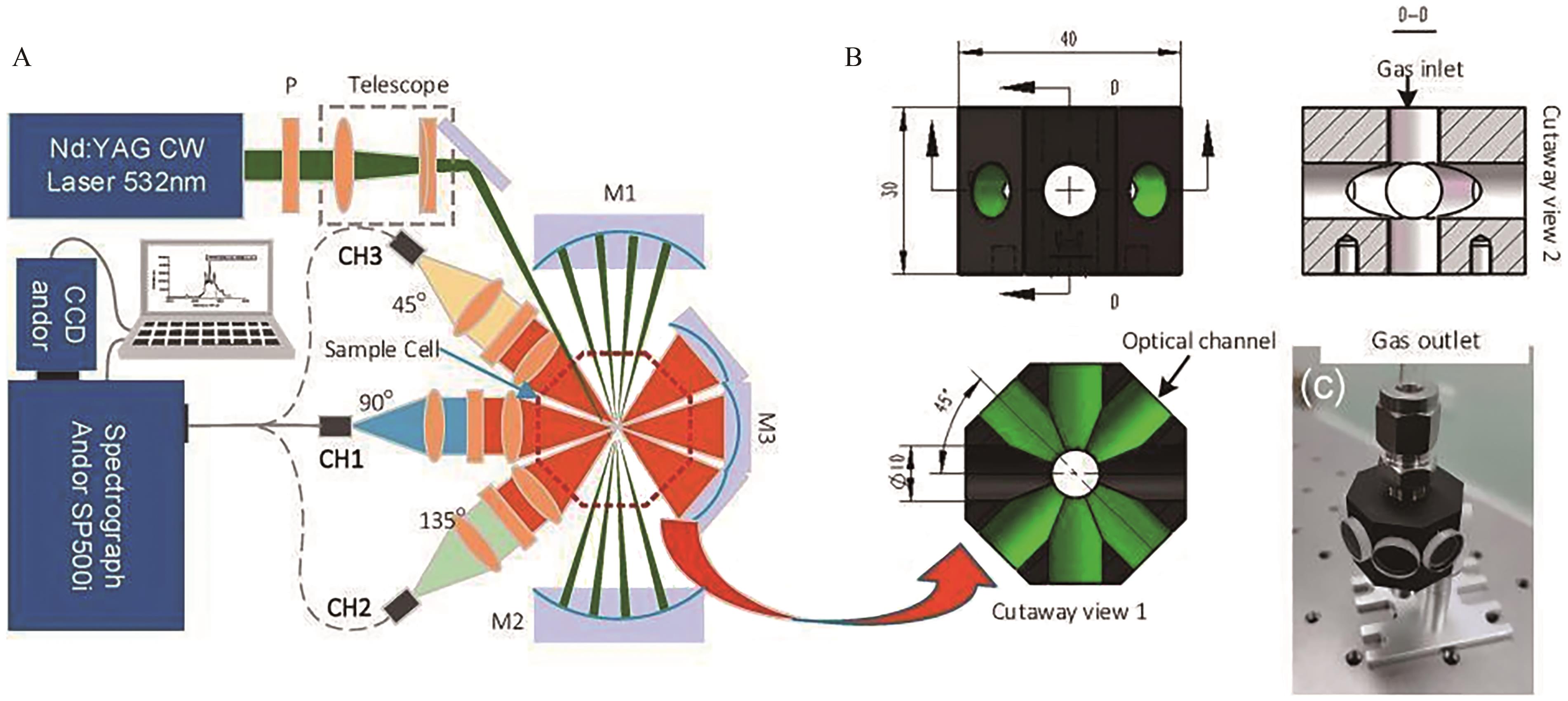
Fig.17 (A) Schematic of CERS prototype; (B) engineering drawing and cutaway view of the eight-sided cuvette; (C) image of the eight-sided cuvette[60]
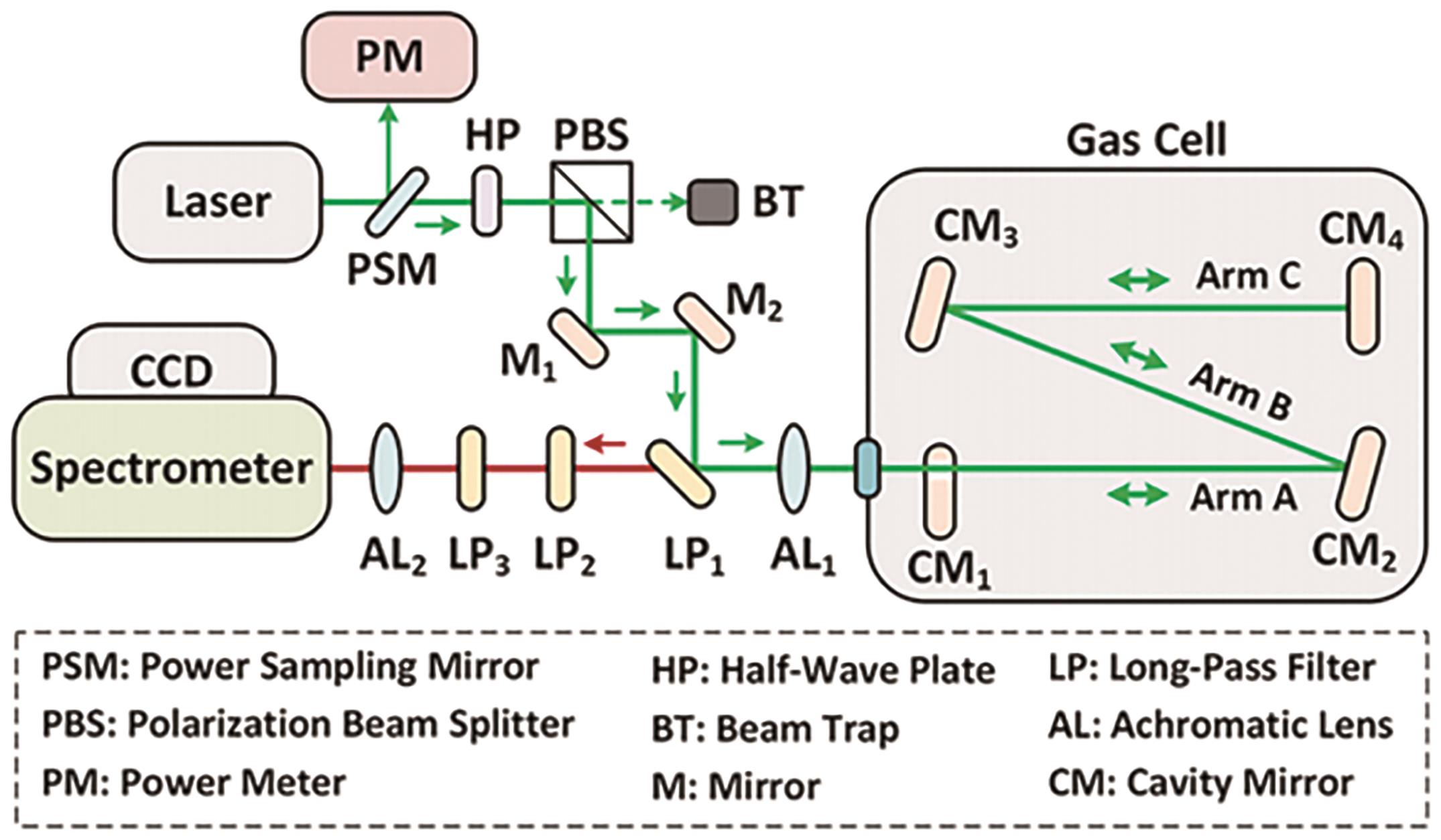
Fig.18 A high-density multi-channel CERS device consisting of four spherical mirrors[61]
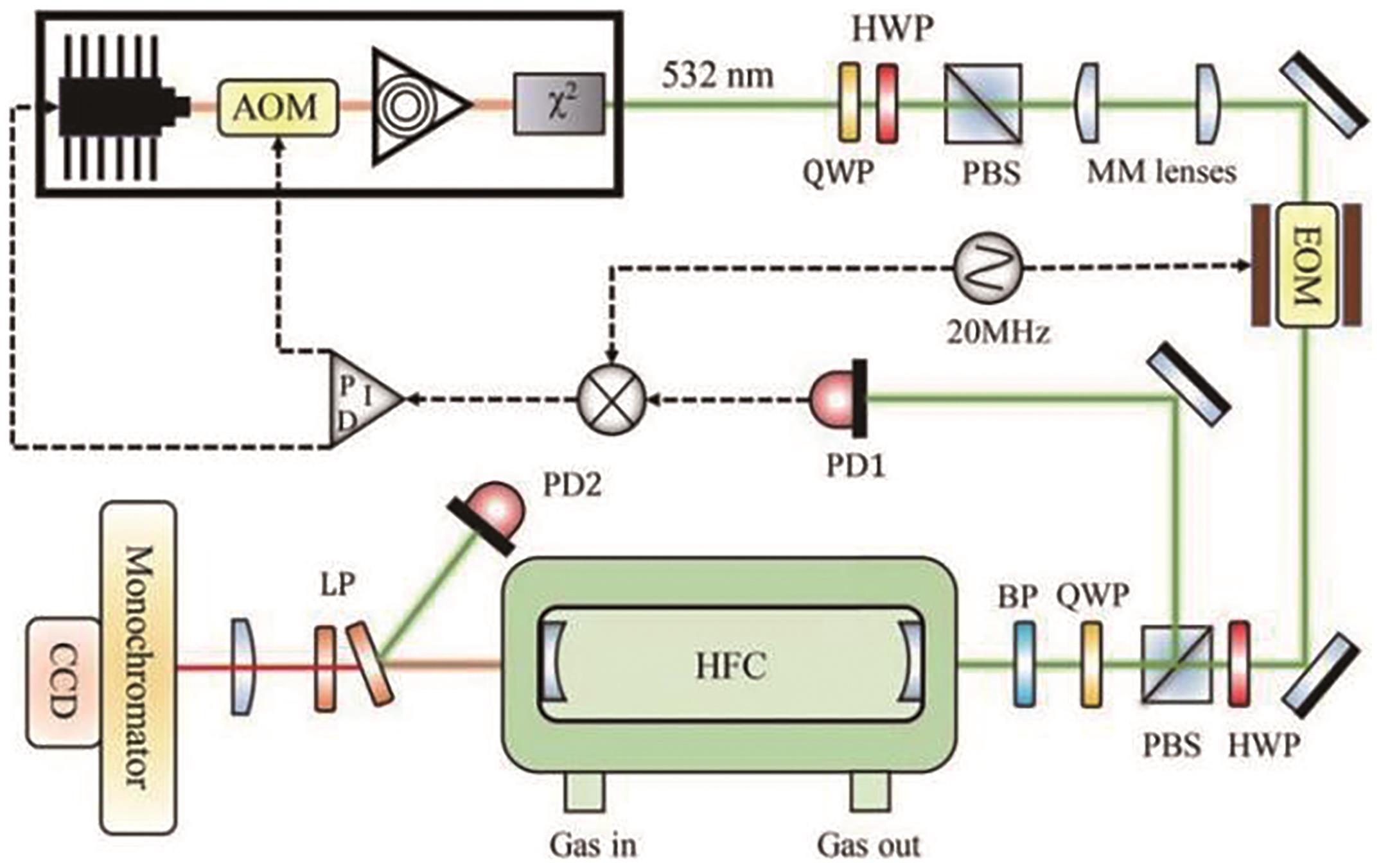
Fig.19 Schematic diagram of the CERS setup[62]
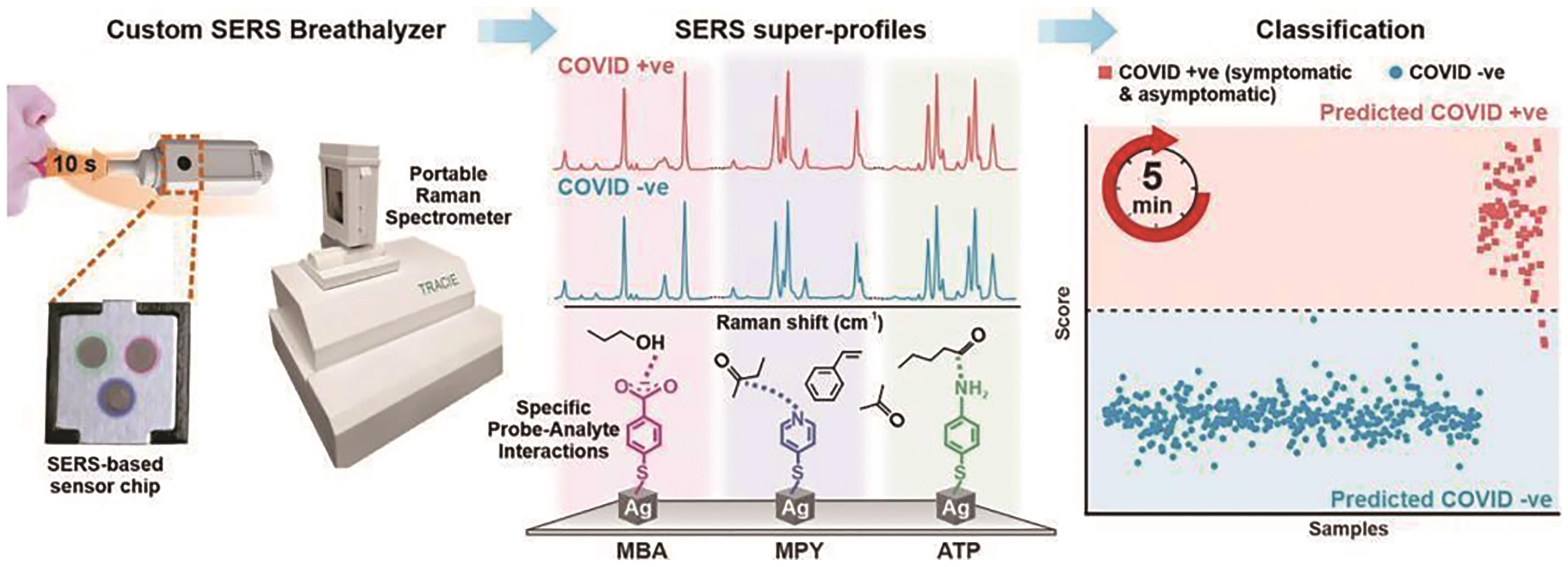
Fig.20 SERS-based strategy to identify COVID-positive individuals using their breath volatile organic compounds (BVOCs)[64]
| Detection technology | Gas detection limit | Advantages | Disadvantages | Ref. |
|---|---|---|---|---|
| Semiconductor gas sensor | C?H?: 200 ng/L C3H6O: 13 μg/L | Low cost, miniaturization | Sensitive to temperature, humidity | [ |
| Electrochemical sensors | O?: 92 mg/L C2H6O: 12.7 mg/L | Portable, fast response | Requires an oxygen-rich environment | [ |
| Gas chromatography | CH?O: 0.6 mg/L CH?CHO: 0.2 mg/L | Multi-component, high-precision | Complex, time-consuming | [ |
| TDLAS | CH4: 117 μg/L | High sensitivity | Single-component, high cost | [ |
| FT-IR | NH?: 3 μg/L | Multi-component, high resolution | Low sensitivity, complex equipment | [ |
| PAS | SO?: 2.45 μg/L C?H?: 4.28 mg/L | No background interference, ultra-high sensitivity | Noise-sensitive, complex design | [ |
| RS | H?: 69 μg/L | Multi-component, resistance to water interference | The sensitivity depends on enhancement technology, weak signal | [ |
Table 1 The advantages and disadvantages of various gas detection technologies and their detection limits for specific gases
| Detection technology | Gas detection limit | Advantages | Disadvantages | Ref. |
|---|---|---|---|---|
| Semiconductor gas sensor | C?H?: 200 ng/L C3H6O: 13 μg/L | Low cost, miniaturization | Sensitive to temperature, humidity | [ |
| Electrochemical sensors | O?: 92 mg/L C2H6O: 12.7 mg/L | Portable, fast response | Requires an oxygen-rich environment | [ |
| Gas chromatography | CH?O: 0.6 mg/L CH?CHO: 0.2 mg/L | Multi-component, high-precision | Complex, time-consuming | [ |
| TDLAS | CH4: 117 μg/L | High sensitivity | Single-component, high cost | [ |
| FT-IR | NH?: 3 μg/L | Multi-component, high resolution | Low sensitivity, complex equipment | [ |
| PAS | SO?: 2.45 μg/L C?H?: 4.28 mg/L | No background interference, ultra-high sensitivity | Noise-sensitive, complex design | [ |
| RS | H?: 69 μg/L | Multi-component, resistance to water interference | The sensitivity depends on enhancement technology, weak signal | [ |
| [1] | ZHANG J, QIN Z, ZENG D, et al. Metal-oxide-semiconductor based gas sensors: screening, preparation, and integration[J]. Phys Chem Chem Phys, 2017, 19(9): 6313-6329. |
| [2] | SEKHAR P K, WIGNES F. Trace detection of research department explosive (RDX) using electrochemical gas sensor[J]. Sens Actuators B, 2016, 227: 185-190. |
| [3] | HENRIKSEN M, BJERKETVEDT D, VAAGSAETHER K, et al. Accidental hydrogen release in a gas chromatograph laboratory: a case study[J]. Int J Hydrogen Energy, 2016, 42(11): 7651-7656. |
| [4] | WANG F, CHANG J, WANG Q, et al. TDLAS gas sensing system utilizing fiber reflector based round-trip structure: double absorption path-length, residual amplitude modulation removal[J]. Sens Actuators A, 2017, 259: 152-159. |
| [5] | SHERSTOV I V, VASILIEV V A. Highly sensitive laser photo-acoustic SF6 gas analyzer with 10 decades dynamic range of concentration measurement[J]. Infrared Phys Technol, 2021, 119: 103922. |
| [6] | ABDUL G A J, HAN Y Q, BRIGNOLI O, et al. Heavy fuel oil pyrolysis and combustion: kinetics and evolved gases investigated by TGA-FTIR[J]. J Anal Appl Pyrolysis, 2017, 127: 183-195. |
| [7] | KEINER R, HERRMANN M, KUSEL K, et al. Rapid monitoring of intermediate states and mass balance of nitrogen during denitrification by means of cavity enhanced Raman multi-gas sensing[J]. Anal Chim Acta, 2015, 864: 39-47. |
| [8] | KOROTCENKOV G, CHO B K. Metal oxide composites in conductometric gas sensors: achievements and challenges[J]. Sens Actuators B, 2017, 244: 182-210. |
| [9] | 杨俊超, 潘勇, 秦墨林, 等. 金属氧化物半导体气敏传感器研究进展[J]. 化学传感器, 2022, 42(2): 10-18. |
| YANG J C, PAN Y, QIN M L, et al. Research progress of metal oxide semiconductor gas sensor[J]. Chem Sens, 2022, 42(2): 10-18. | |
| [10] | 顾子琪, 曹兆玉, 薄良波, 等. 紫外光激发金属氧化物气体传感器研究进展[J]. 微纳电子技术, 2025, 62(1): 010102. |
| GU Z Q, CAO Z Y, BO L B, et al. Research progress of UV-activated metal oxide gas sensors[J]. Micronanoelectron Technol, 2025, 62(1): 010102. | |
| [11] | SUEMATSU K, HARANO W, OYAMA T, et al. Pulse-driven semiconductor gas sensors toward ppt level toluene detection[J]. Anal Chem, 2018, 90(19): 11219-11223. |
| [12] | PARK J, TABATA H. Gas sensor array using a hybrid structure based on zeolite and oxide semiconductors for multiple bio-gas detection[J]. ACS Omega, 2021, 6(33): 21284-21293. |
| [13] | JI H Y, MI C J, YUAN Z J, et al. Multicomponent gas detection method via dynamic temperature modulation measurements based on semiconductor gas sensor[J]. IEEE Trans Ind Electron, 2023, 70(6): 6395-6404. |
| [14] | WAN H, YIN H, LIN L, et al. Miniaturized planar room temperature ionic liquid electrochemical gas sensor for rapid multiple gas pollutants monitoring[J]. Sens Actuators B, 2018, 255(Part 1): 638-646. |
| [15] | WILLIAMS D E. Electrochemical sensors for environmental gas analysis[J]. Curr Opin Electrochem, 2020, 22: 145-153. |
| [16] | JIANG G P, CUMBERLAND T, FU X G, et al. Highly stable low-cost electrochemical gas sensor with an alcohol-tolerant N,S-codoped non-precious metal catalyst air cathode[J]. ACS Sens, 2021, 6(3): 752-763. |
| [17] | LUONG J, YANG X H, HUA Y J, et al. Gas chromatography with in-situ catalytic hydrogenolysis and flame ionization detection for the direct measurement of formaldehyde and acetaldehyde in challenging matrices[J]. Anal Chem, 2018, 90(23): 13855-13859. |
| [18] | SKOG K M, XIONG F L Z, KAWASHIMA H, et al. Compact, automated, inexpensive, and field-deployable vacuum-outlet gas chromatograph for trace-concentration gas-phase organic compounds[J]. Anal Chem, 2019, 91(2): 1318-1327. |
| [19] | 田平, 王鲜然, 杨晓非. 调制电流噪声对TDLAS气体检测影响的研究[J]. 仪表技术与传感器, 2016(7): 108-111. |
| TIAN P, WANG X R, YANG X F. Study on effects of modulation current noise to TDLAS gas detection[J]. Instrum Techn Sens, 2016(7): 108-111. | |
| [20] | ZHANG T Y, KANG J W, MENG D Z, et al. Mathematical methods and algorithms for improving near-infrared tunable diode-laser absorption spectroscopy[J]. Sensors, 2018, 18(12): 4295. |
| [21] | TONG C, SIMA C, CHEN M, et al. Laser linewidth analysis and filtering/fitting algorithms for improved TDLAS-based optical gas sensor [J]. Sensors, 2023, 23(11): 5130. |
| [22] | QU Z, ZHANG S, XU Y, et al. Correction of gas concentration based on tunable diode laser absorption spectroscopy in different temperatures[J]. SPIE Proc, 2019, 11068: 405-410. |
| [23] | TOMBEZ L, ZHANG E J, ORCUTT J S, et al. Methane absorption spectroscopy on a silicon photonic chip[J]. Optica, 2017, 4(11): 1322-1325. |
| [24] | CUI R, DONG L, WU H, et al. Three-dimensional printed miniature fiber-coupled multipass cells with dense spot patterns for ppb-level methane detection using a near-IR diode laser[J]. Anal Chem, 2020, 92(19): 13034-13041. |
| [25] | WU Q, YANG Y, SHI Y, et al. Highly responsive, miniaturized methane telemetry sensor based on open-path TDLAS[J]. Photonics, 2023, 10(11): 1281. |
| [26] | HANSEMANN C, BONARENS M, EMMERT J, et al. Towards a spatially resolved, single-ended TDLAS system for characterizing the distribution of gaseous species[J]. Sci Rep, 2024, 14(1): 11708. |
| [27] | PALZER S. Photoacoustic-based gas sensing: a review[J]. Sensors, 2020, 20(9): 2745. |
| [28] | 马欲飞. 基于石英增强光声光谱的气体传感技术研究进展[J]. 物理学报, 2021, 70(16): 29-40. |
| MA Y F. Research progress of quartz-enhanced photoacoustic spectroscopy based gas sensing[J]. Acta Phys Sin, 2021, 70(16): 29-40. | |
| [29] | 马凤翔, 田宇, 陈珂, 等. 基于光纤放大增强型光声光谱的H2S与CO2检测技术[J]. 光学学报, 2021, 41(7): 198-206. |
| MA F X, TIAN Y, CHEN K, et al. Detection technology of H2S and CO2 based on fiber amplifier enhanced photoacoustic spectroscopy[J]. Acta Opt Sin, 2021, 41(7): 198-206. | |
| [30] | 李振钢, 刘家祥, 司赶上, 等. H型差分光声池的优化设计及NO2气体检测研究[J]. 光学学报, 2022, 42(18): 234-243. |
| LI Z G, LIU J X, SI G S, et al. Optimization design of H-type differential photoacoustic cell and NO2 detection[J]. Acta Opt Sin, 2022, 42(18): 234-243. | |
| [31] | CHEN K, GONG Z F, YU Q X. Fiber-amplifier-enhanced resonant photoacoustic sensor for sub-ppb level acetylene detection[J]. Sens Actuators A, 2018, 274: 184-188. |
| [32] | YU Y, TIAN C, WANG Z, et al. Multicomponent gas detection technology of FDM and TDM based on photoacoustic spectroscopy[J]. Appl Opt, 2021, 60(4): 838-843. |
| [33] | QIAO S D, HE Y, MA Y F. Trace gas sensing based on single-quartz-enhanced photoacoustic-photothermal dual spectroscopy[J]. Opt Lett, 2021, 46(10): 2449-2452. |
| [34] | ZHANG L, LIU L X, LIU Y Y, et al. Advances in differential photoacoustic spectroscopy for trace gas detection[J]. Microw Opt Technol Lett, 2022, 65(5): 1506-1515. |
| [35] | YE W L, HE L F, XIA Z K, et al. Miniaturized methane detection system based on photoacoustic spectroscopy[J]. Microw Opt Technol Lett, 2023, 65(5): 1421-1426. |
| [36] | CARTER B M, DOBYNS B M, BECKINGHAM B S, et al. Multicomponent transport of alcohols in an anion exchange membrane measured by in-situ ATR FTIR spectroscopy [J]. Polymer, 2017, 123: 144-152. |
| [37] | LOIANNO V, BYE K P, GALIZIA M, at al. Plasticization mechanism in polybenzimidazole membranes for organic solvent nanofiltration: molecular insights from in situ FTIR spectroscopy[J]. J Polym Sci, 2020, 58(18): 2547-2560. |
| [38] | LI X, WANG Y, SHI G, et al. Evaluation of natural ageing responses on Burmese amber durability by FTIR spectroscopy with PLSR and ANN models[J]. Spectrochim Acta Part A, 2023, 285: 121936. |
| [39] | MONTORO O R, TORTAJADA J, LOBATO A, et al. Theoretical (DFT) and experimental (Raman and FTIR) spectroscopic study on communic acids, main components of fossil resins[J]. Spectrochim Acta Part A, 2020, 224: 117405. |
| [40] | TAKAMURA A, HALAMKOVA L, OZAWA T, et al. Phenotype profiling for forensic purposes: determining donor sex based on Fourier transform infrared spectroscopy of urine traces[J]. Anal Chem, 2019, 91(9): 6288-6295. |
| [41] | LIN C H, GRANT R H, HEBER A J, et al. Application of open-path Fourier transform infrared spectroscopy (OP-FTIR) to measure greenhouse gas concentrations from agricultural fields[J]. Atmos Meas Technol, 2019, 12(6): 3403-3415. |
| [42] | D'ARCO A, MANCINI T, PAOLOZZI M C, et al. High sensitivity monitoring of VOCs in air through FTIR spectroscopy using a multipass gas cell setup[J]. Sensors, 2022, 22(15): 5624. |
| [43] | MANAKASETTHARN S, TAKAHASHI A, KAWAMOTO T, et al. Highly sensitive and exceptionally wide dynamic range detection of ammonia gas by indium hexacyanoferrate nanoparticles using FTIR spectroscopy[J]. Anal Chem, 2018, 90(7): 4856-4862. |
| [44] | PAN Y, SPIJKER C, RAUPENSTRAUCH H. TGA-FTIR for kinetic and evolved gas analysis of the coal particles in dust deflagration[J]. Appl Therm Eng, 2023, 231: 120881. |
| [45] | 李占龙, 周密, 左剑, 等. 红外光谱和拉曼光谱法分析玉米种子的成分[J]. 分析化学, 2007, 35(11): 1636-1638. |
| LI Z L, ZHOU M, ZUO J, et al. Infrared and Raman spectral analysis for the corn seed[J]. Chin J Anal Chem, 2007, 35(11): 1636-1638. | |
| [46] | 熊艳梅, 唐果, 段佳, 等. 近红外、中红外和拉曼光谱法测定商品农药制剂中溴氰菊酯的含量[J]. 光谱学与光谱分析, 2010, 30(11): 2936-2940. |
| XIONG Y M, TANG G, DUAN J, et al. Quantitative analysis of the content of deltamethrin in agrochemicals by near-infrared, attenuated total reflectance infrared and Raman spectroscopy[J]. Spectrosc Spectral Anal, 2010, 30(11): 2936-2940. | |
| [47] | 高月滢,万玉琪,刘琳,等. 表面增强拉曼光谱法灵敏检测亚硫酸根离子[J]. 食品科学, 2022, 43(20): 328-335. |
| GAO Y Y, WAN Y Q, LIU L, et al. Sensitive detection of sulfite ions by surface-enhanced Raman spectroscopy[J]. Food Sci, 2022, 43(20): 328-335. | |
| [48] | 罗丹, 周光明, 陈蓉, 等. 表面增强拉曼光谱法分析软饮料中的阿斯巴甜[J]. 分析测试学报, 2019, 38(3): 328-333. |
| LUO D, ZHOU G M, CHEN R, et al. Nondestructive analysis of aspartame in soft drinks by surface enhanced Raman spectroscopy[J]. Instrum Anal, 2019, 38(3): 328-333. | |
| [49] | 王乐, 张爱霞, 陈晞, 等. 表面增强拉曼光谱法快速检测饮料中玫瑰红B[J]. 食品研究与开发, 2018, 39(7): 126-130. |
| WANG L, ZHANG A X, CHEN X, et al. Rapidly screening Rhodamine B in drinks by surface enhanced Raman spectroscopy[J]. Food Res Dev, 2018, 39(7): 126-130. | |
| [50] | 申炳俊, 金丽虹, 刘昱鑫, 等. 荧光光谱结合表面增强拉曼光谱法研究紫檀芪与人血清白蛋白相互作用[J]. 分析化学, 2017, 45(11): 1613-1620. |
| SHEN B J, JIN L H, LIU Y X, et al. Study of intermolecular interactions between pterostilbene and human serum albumin by fluorescence spectrometry-surface enhanced Raman spectroscopy[J]. Chin J Anal Chem, 2017, 45(11): 1613-1620. | |
| [51] | 崔子孺, 周思宇, 肖暘, 等. 基于拉曼光谱法的电偏置悬空石墨烯器件热导率研究[J]. 中国激光, 2023, 50(1): 218-225. |
| CUI Z R, ZHOU S Y, XIAO Y, et al. Thermal conductivity of electrically biased few-layer suspended graphene devices measured by Raman spectroscopy[J]. Chin J Lasers, 2023, 50(1): 218-225. | |
| [52] | 董晶晶, 郝翔. 激光拉曼光谱法测定中药三七花中非法添加的化学降压药[J]. 中国药师, 2017, 20(2): 391-393. |
| DONG J J, HAO X. Identification of hypotensive drugs illegally added to flower buds of panax notoginseng by laser Raman spectroscopy[J]. Chin Pharm, 2017, 20(2): 391-393. | |
| [53] | WEBER A, PORTO S P S, CHEESMAN L E, et al. High-resolution Raman spectroscopy of gases with cw-laser excitation[J]. J Opt Soc Am, 1967, 57(1): 19-27. |
| [54] | SYMES R, SAYER R M, REID J P. Cavity enhanced droplet spectroscopy: principles, perspectives and prospects[J]. Phys Chem Chem Phys, 2004, 6(3): 474-487. |
| [55] | GHENUCHE P, RAMMLER S, JOLY N Y, et al. Kagome hollow-core photonic crystal fiber probe for Raman spectroscopy[J]. Opt Lett, 2012, 37(21): 4371-4373. |
| [56] | NIKLAS C, WACKERBARTH H, CTISTIS G. A short review of cavity-enhanced Raman spectroscopy for gas analysis[J]. Sensors, 2021, 21(5): 1698. |
| [57] | WONG C L, DINISH U S, SCHMIDT M S K, et al. Non-labeling multiplex surface enhanced Raman scattering (SERS) detection of volatile organic compounds (VOCs)[J]. Anal Chim Acta, 2014, 844: 54-60. |
| [58] | ZENG Z, LIU Y, WEI J. Recent advances in surface-enhanced Raman spectroscopy (SERS): finite-difference time-domain (FDTD) method for SERS and sensing applications[J]. Trends Anal Chem, 2016, 75: 162-173. |
| [59] | HOPPMANN E P, YU W W, WHITE I M. Highly sensitive and flexible inkjet printed SERS sensors on paper [J]. Methods, 2013, 63(3): 219-224. |
| [60] | YANG D, LIU Q, GUO J, et al. Cavity enhanced multi-channels gases Raman spectrometer[J]. Sensors, 2021, 21(11): 3803. |
| [61] | WANG P, CHEN W, WANG J, et al. Cavity-enhanced Raman spectroscopy for detection of trace gaseous impurities in hydrogen for fuel cells[J]. Anal Chem, 2023, 95(17): 6894-6904. |
| [62] | YANG Q Y, TAN Y, QU Z H, et al. Multiple gas detection by cavity-enhanced Raman spectroscopy with sub-ppm sensitivity[J]. Anal Chem, 2023, 95(13): 5652-5660. |
| [63] | PARK J, THOMASSON J A, GALE C C, et al. Adsorbent-SERS technique for determination of plant VOCs from live cotton plants and dried teas[J]. ACS Omega, 2020, 5(6): 2779-2790. |
| [64] | LEONG S X, LEONG Y X, TAN E X, et al. Noninvasive and point-of-care surface-enhanced Raman scattering (SERS)-based breathalyzer for mass screening of coronavirus disease 2019 (COVID-19) under 5 min[J]. ACS Nano, 2022, 16(2): 2629-2639. |
| [65] | CAI Y, XU G, YANG D, et al. On-line multi-gas component measurement in the mud logging process based on Raman spectroscopy combined with a CNN-LSTM-AM hybrid model[J]. Anal Chim Acta, 2023, 1259: 341200. |
| [1] | Yun-Fan CAI, Ke-Hui XU, Yao ZHAO, Zhi-Ting LI, Ling-Yun XIA, Chen-Yu WANG, Zhi-Xiao LUO, Li-Na NIU. Substrate Design of Surface-Enhanced Raman Spectroscopy and Research Progress in the Detection of Body Fluids [J]. Chinese Journal of Applied Chemistry, 2025, 42(1): 1-13. |
| [2] | Hao-Jun SUN, Xiao-Hu YI, Jian-Hua CHENG, Zhao-Hui SU. Quantitative Analysis of Meta-Aramid Units in Para-Aramids [J]. Chinese Journal of Applied Chemistry, 2024, 41(8): 1126-1130. |
| [3] | Jia-Huan PEI, Xiao-Hua QI, Ming-Qiang ZOU, Yong JIN, De-Ying WANG, Yun-Jing LUO. Advances in Surface-Enhanced Raman Spectroscopy for the Detection of Veterinary Drug Residues in Foods of Animal Origin [J]. Chinese Journal of Applied Chemistry, 2024, 41(4): 459-471. |
| [4] | Cheng-Yuan LIU, Jiang-Yu YU, Feng-Cui LI, Zhi-Wei LIU. Research Progress of Raman Spectroscopy Technique in Energy Storage Mechanism of Rechargeable Aluminum-Ion Batteries [J]. Chinese Journal of Applied Chemistry, 2023, 40(10): 1347-1358. |
| [5] | Hui-Bing TAO, Zhen TIAN, Yong XIE, Yu SUN, Li WANG, Zhuo KANG, Yue ZHANG. Progress of In situ Raman Study on the Dynamic Structure Performance Correlation of Water Splitting Catalysts [J]. Chinese Journal of Applied Chemistry, 2022, 39(4): 528-539. |
| [6] | ZHANG Meng, CHEN Dong-Zhen, REN Yan-Wei, NING Pan. Sensing Interface Based on Nanoislandlike Sliver Film@Gold Nanotip for Surface Enhanced Raman Scattering Analysis of Dopamine [J]. Chinese Journal of Applied Chemistry, 2021, 38(7): 866-873. |
| [7] | ZHU Yuezhou,ZHANG Yuejiao,LI Jianfeng,REN Bin,TIAN Zhongqun. Surface-Enhanced Raman Spectroscopy: Applications and Perspectives [J]. Chinese Journal of Applied Chemistry, 2018, 35(9): 984-992. |
| [8] | YAN Zhaodong,LI Yang,ZHANG Tao,LIU Zhicheng,LIU Yaqing. Gold Nanorod-loaded Electrospun Fibers:Preparation and Surface-enhanced Raman Spectroscopy Performance [J]. Chinese Journal of Applied Chemistry, 2017, 34(5): 519-526. |
| [9] | Guo Ning. Raman Spectra of Layer Structure Complexes[n-CnH2n+1NH3]2ZnBr4 [J]. Chinese Journal of Applied Chemistry, 1995, 0(1): 47-50. |
| [10] | Wang Wei, Li Laiming, Xi Shiquan. Studies on Phase Transition Behavior of Anhydrous Phospholipid by lnfrared and Raman Spectroscopy [J]. Chinese Journal of Applied Chemistry, 1994, 0(1): 92-95. |
| [11] | Guo Ning, Zeng Guangfu, Wang Cuiying, Xi Shiquan. RAMAN SPECTROSCOPY STUDY OF PHASE TRANSITION OF (n-C12H25NH3)2 ZnCl4 [J]. Chinese Journal of Applied Chemistry, 1991, 0(4): 71-73. |
| [12] | Qion Hesheng, Yu Lianfang. FOURIER TRANSFORM INFRARED PHOTOACOUSTIC SPECTROSCOPY FOR POLYMER STUDY Ⅰ.THE SPECTRA OF ALKALI TREATED DEGUMMED RAMIE [J]. Chinese Journal of Applied Chemistry, 1991, 0(1): 82-84. |
| Viewed | ||||||
|
Full text |
|
|||||
|
Abstract |
|
|||||
