
Chinese Journal of Applied Chemistry ›› 2026, Vol. 43 ›› Issue (2): 249-258.DOI: 10.19894/j.issn.1000-0518.250050
• Full Papers • Previous Articles Next Articles
Hong-Fu ZHAO1( ), Yu-Xuan BU2, Xiao-Jun LYU1, Qing-Bo ZHAO1, Hong-Hong WANG2, Kai-Hua SHEN2, Quan-Bao SHI1
Received:2025-02-08
Accepted:2025-11-06
Published:2026-02-01
Online:2026-03-06
Contact:
Hong-Fu ZHAO
About author:1076753959@qq.comSupported by:CLC Number:
Hong-Fu ZHAO, Yu-Xuan BU, Xiao-Jun LYU, Qing-Bo ZHAO, Hong-Hong WANG, Kai-Hua SHEN, Quan-Bao SHI. Optimization of Atmospheric Pressure Continuous Distillation Process of Isoprene Latex[J]. Chinese Journal of Applied Chemistry, 2026, 43(2): 249-258.
Add to citation manager EndNote|Ris|BibTeX
URL: http://yyhx.ciac.jl.cn/EN/10.19894/j.issn.1000-0518.250050
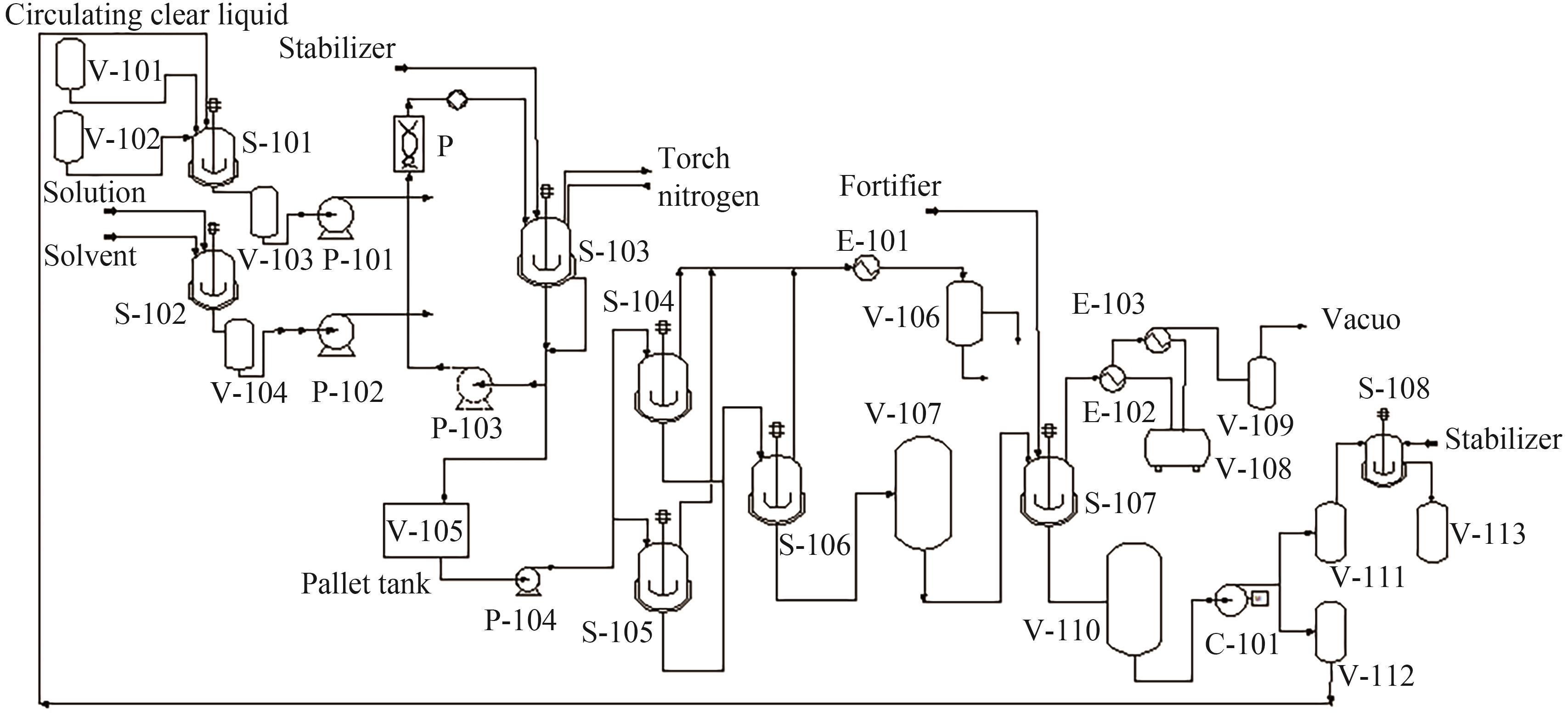
Fig.1 Double kettle parallel connection whole system process flow diagram
| Distillation temperature/℃ | Distillation duration/h | Solvent removal rate/% | Gel loss/% | Phenomenon |
|---|---|---|---|---|
| 68~74 | 12.5 | 92.7 | 18.8 | Unremovable foam |
| 68~72 | 14.0 | 95.5 | 20.1 | Unremovable foam |
| 69~73 | 13.2 | 94.6 | 18.5 | Unremovable foam |
| 68~72 | 12.8 | 90.8 | 19.7 | Unremovable foam |
| 68~73 | 13.7 | 93.7 | 19.3 | Unremovable foam |
Table 1 The process of eliminating solvents from polyisoprene latex with batch distillation
| Distillation temperature/℃ | Distillation duration/h | Solvent removal rate/% | Gel loss/% | Phenomenon |
|---|---|---|---|---|
| 68~74 | 12.5 | 92.7 | 18.8 | Unremovable foam |
| 68~72 | 14.0 | 95.5 | 20.1 | Unremovable foam |
| 69~73 | 13.2 | 94.6 | 18.5 | Unremovable foam |
| 68~72 | 12.8 | 90.8 | 19.7 | Unremovable foam |
| 68~73 | 13.7 | 93.7 | 19.3 | Unremovable foam |
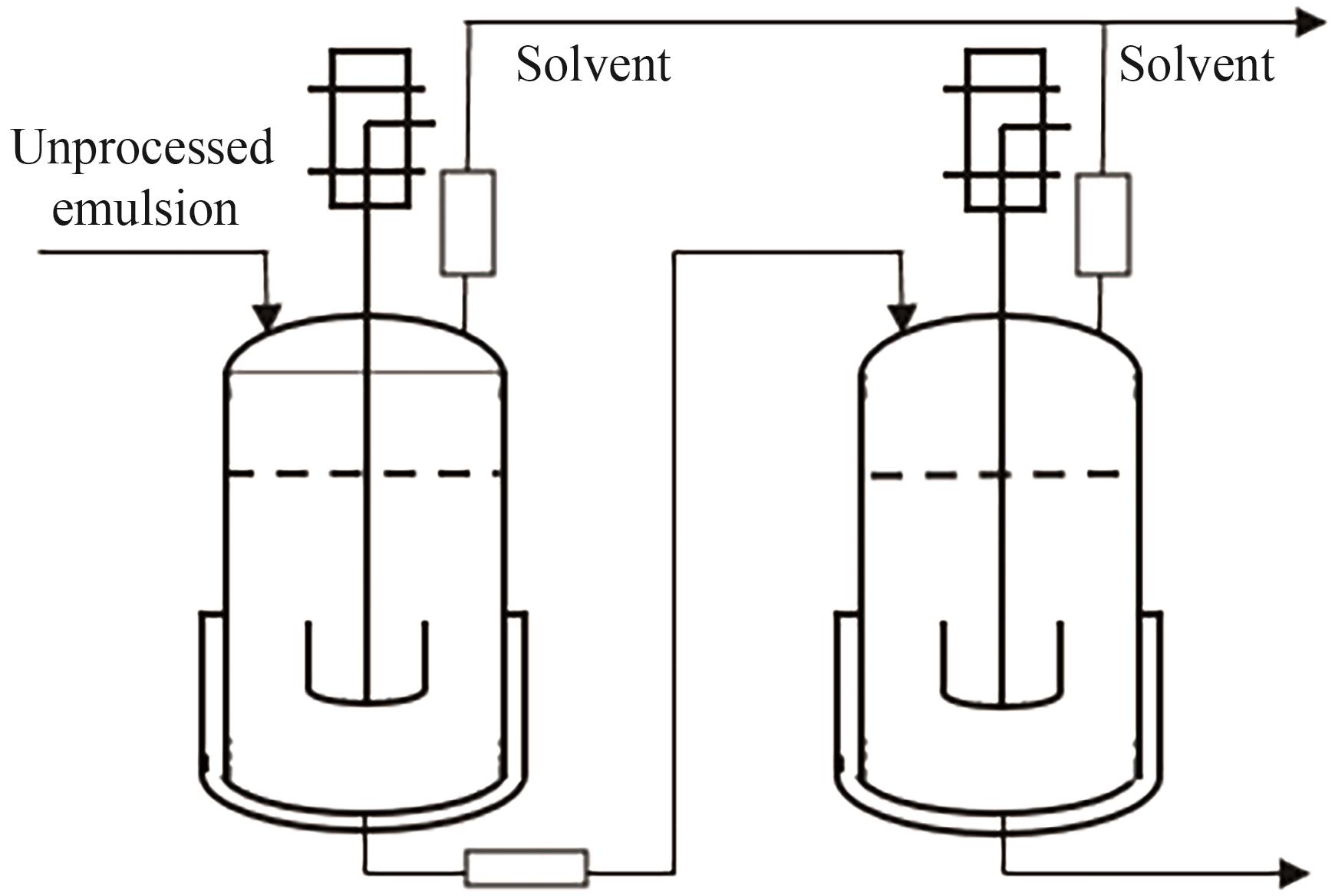
Fig.2 Sketch of a tandem continuous distillation unit with two vessels
| Distillation temperature/℃ | Distillation duration/h | Solvent removal rate/% | Gel loss/% | Phenomenon |
|---|---|---|---|---|
| 66 | 8.5~9.0 | 55~60 | 0.34 | Less foam, evanescent, calm state |
| 67 | 8.5~9.0 | 60~65 | 0.49 | Less foam, evanescent, calm state |
| 69 | 8.5~9.0 | 75~80 | 0.46 | Less foam, evanescent, calm state |
| 69 | 7.0~7.5 | 50~55 | 0.48 | Less foam, evanescent, calm state |
| 70 | 7.0~7.5 | 70~75 | 0.50 | More foam, fleeting, calm state |
| 71 | 7.0~7.5 | 80~85 | 0.60 | More foam, fleeting, calm state |
| 72 | 7.0~7.5 | 90~95 | 0.60 | More foam, fleeting, calm state |
Table 2 Status of the primary distillation vessel in continuous solvent remova
| Distillation temperature/℃ | Distillation duration/h | Solvent removal rate/% | Gel loss/% | Phenomenon |
|---|---|---|---|---|
| 66 | 8.5~9.0 | 55~60 | 0.34 | Less foam, evanescent, calm state |
| 67 | 8.5~9.0 | 60~65 | 0.49 | Less foam, evanescent, calm state |
| 69 | 8.5~9.0 | 75~80 | 0.46 | Less foam, evanescent, calm state |
| 69 | 7.0~7.5 | 50~55 | 0.48 | Less foam, evanescent, calm state |
| 70 | 7.0~7.5 | 70~75 | 0.50 | More foam, fleeting, calm state |
| 71 | 7.0~7.5 | 80~85 | 0.60 | More foam, fleeting, calm state |
| 72 | 7.0~7.5 | 90~95 | 0.60 | More foam, fleeting, calm state |
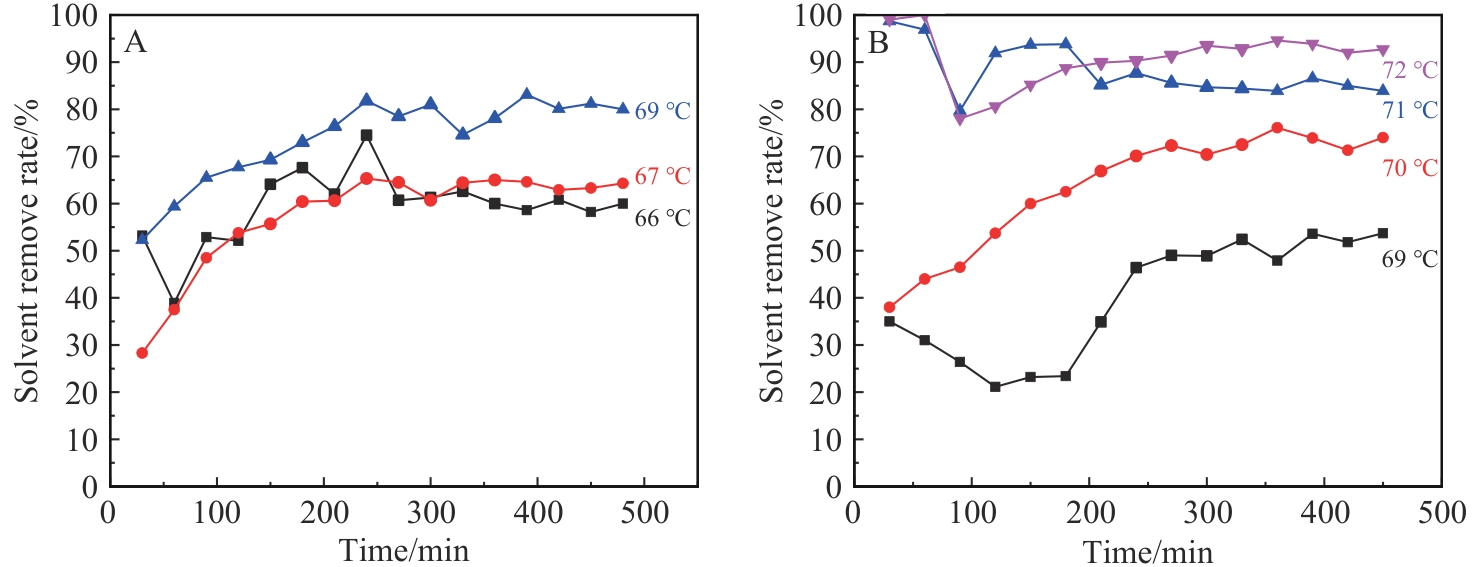
Fig.3 Impact of distillation temperature on solvent stripping efficiency in the first-stage distillation vessel
| Distillation temperature/℃ | Distillation duration/h | Solvent removal rate/% | Gel loss/% | Phenomenon |
|---|---|---|---|---|
| 76 | 4.0~4.5 | 15~25 | 0.92 | Less foam, calm state |
| 78 | 4.0~4.5 | 25~35 | 0.90 | Foam increases |
| 80 | 4.0~4.5 | - | 3.36 | A large amount of foam |
Table 3 Status of the secondary distillation vessel in continuous solvent remova
| Distillation temperature/℃ | Distillation duration/h | Solvent removal rate/% | Gel loss/% | Phenomenon |
|---|---|---|---|---|
| 76 | 4.0~4.5 | 15~25 | 0.92 | Less foam, calm state |
| 78 | 4.0~4.5 | 25~35 | 0.90 | Foam increases |
| 80 | 4.0~4.5 | - | 3.36 | A large amount of foam |
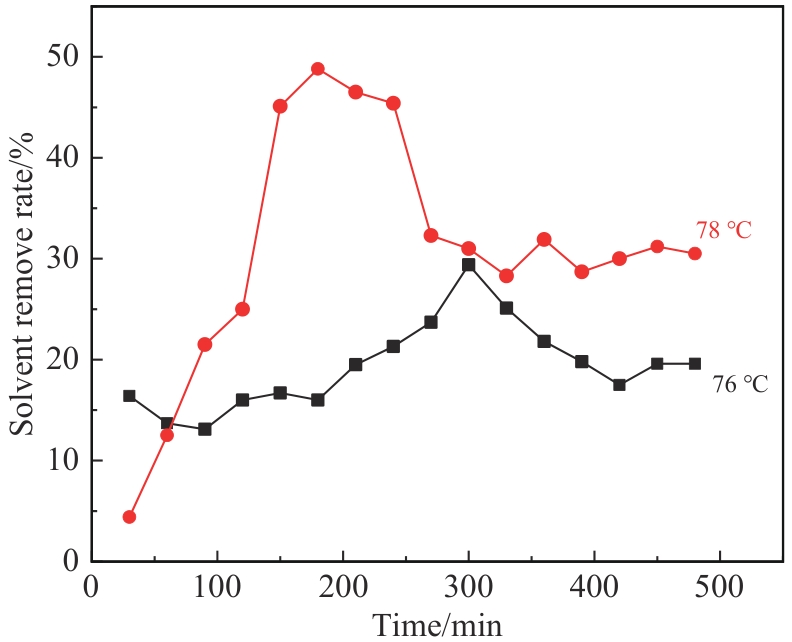
Fig.4 Impact of distillation temperature on solvent stripping efficiency in the secondary distillation vessel
| Distillation temperature/℃ | Distillation duration/h | Solvent removal rate/% | Gel loss/% | Phenomenon |
|---|---|---|---|---|
| 71 | 7.0~7.5 | 85~90 | 0.24 | Less foam, calm state |
| 71 | 6.0~6.5 | 65~70 | 0.37 | Less foam, calm state |
| 71 | 5.5~6.0 | 60~65 | 0.37 | Less foam, calm state |
| 74 | 5.5 | 70~75 | 0.49 | Foam increases |
| 74 | 5.0 | 70 | 0.50 | Foam increases |
Table 4 Impact of average residence time on solvent stripping efficiency in the primary continuous distillation vessel
| Distillation temperature/℃ | Distillation duration/h | Solvent removal rate/% | Gel loss/% | Phenomenon |
|---|---|---|---|---|
| 71 | 7.0~7.5 | 85~90 | 0.24 | Less foam, calm state |
| 71 | 6.0~6.5 | 65~70 | 0.37 | Less foam, calm state |
| 71 | 5.5~6.0 | 60~65 | 0.37 | Less foam, calm state |
| 74 | 5.5 | 70~75 | 0.49 | Foam increases |
| 74 | 5.0 | 70 | 0.50 | Foam increases |
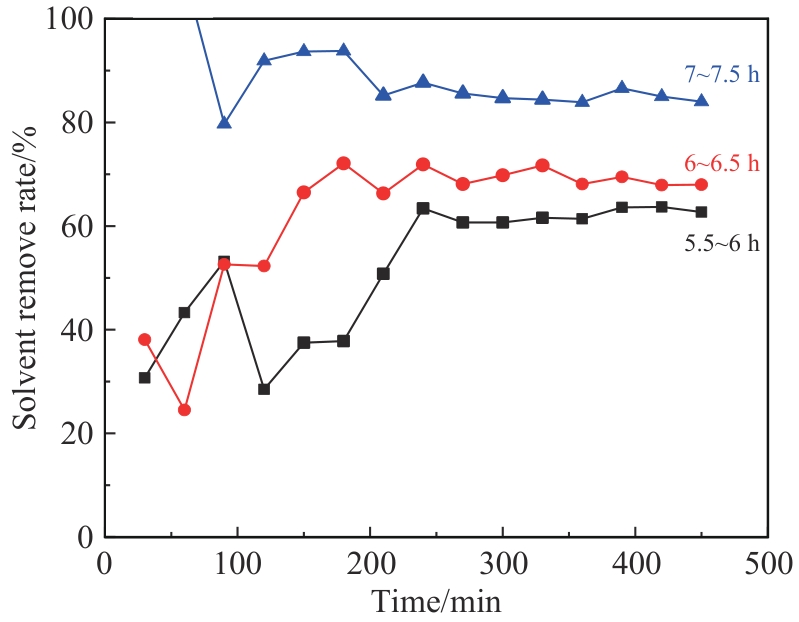
Fig.5 Variation of solvent removal efficiency in the first-stage continuous distillation vessel
| Distillation temperature/℃ | Distillation duration/h | Solvent removal rate/% | Gel loss/% | Phenomenon |
|---|---|---|---|---|
| 76 | 8.0 | 40~45 | 0.92 | Less foam, calm state |
| 76 | 4.5 | 15~25 | 0.68 | Less foam, calm state |
| 76 | 3.0 | 20~25 | 0.98 | Less foam, calm state |
| 78 | 4.5 | 25~30 | 0.90 | Foam increases |
| 78 | 3.0 | 25~35 | 0.95 | Foam increases |
| 78 | 2.5 | 30~40 | 2.24 | A large amount of foam |
Table 5 Impact of average residence time on solvent stripping efficiency in the secondary continuous distillation vessel
| Distillation temperature/℃ | Distillation duration/h | Solvent removal rate/% | Gel loss/% | Phenomenon |
|---|---|---|---|---|
| 76 | 8.0 | 40~45 | 0.92 | Less foam, calm state |
| 76 | 4.5 | 15~25 | 0.68 | Less foam, calm state |
| 76 | 3.0 | 20~25 | 0.98 | Less foam, calm state |
| 78 | 4.5 | 25~30 | 0.90 | Foam increases |
| 78 | 3.0 | 25~35 | 0.95 | Foam increases |
| 78 | 2.5 | 30~40 | 2.24 | A large amount of foam |
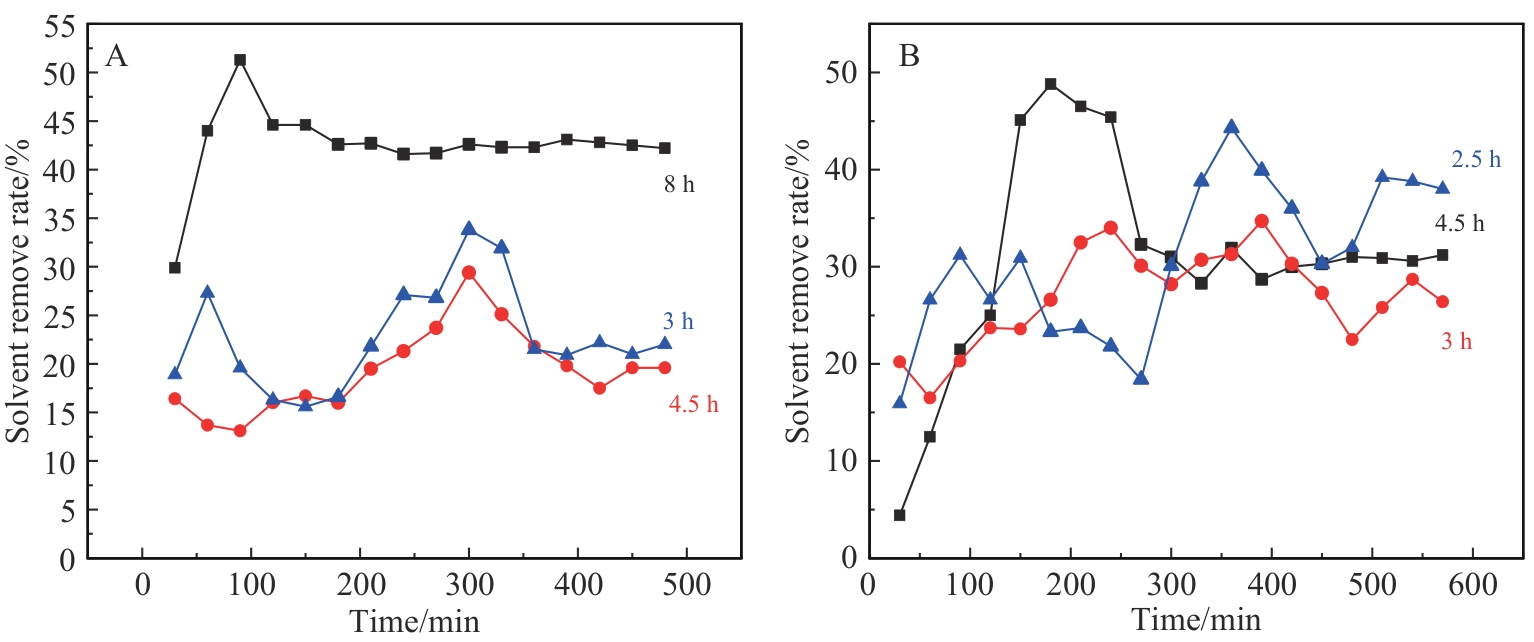
Fig.6 Variation of solvent removal efficiency in the secondary continuous distillation vessel
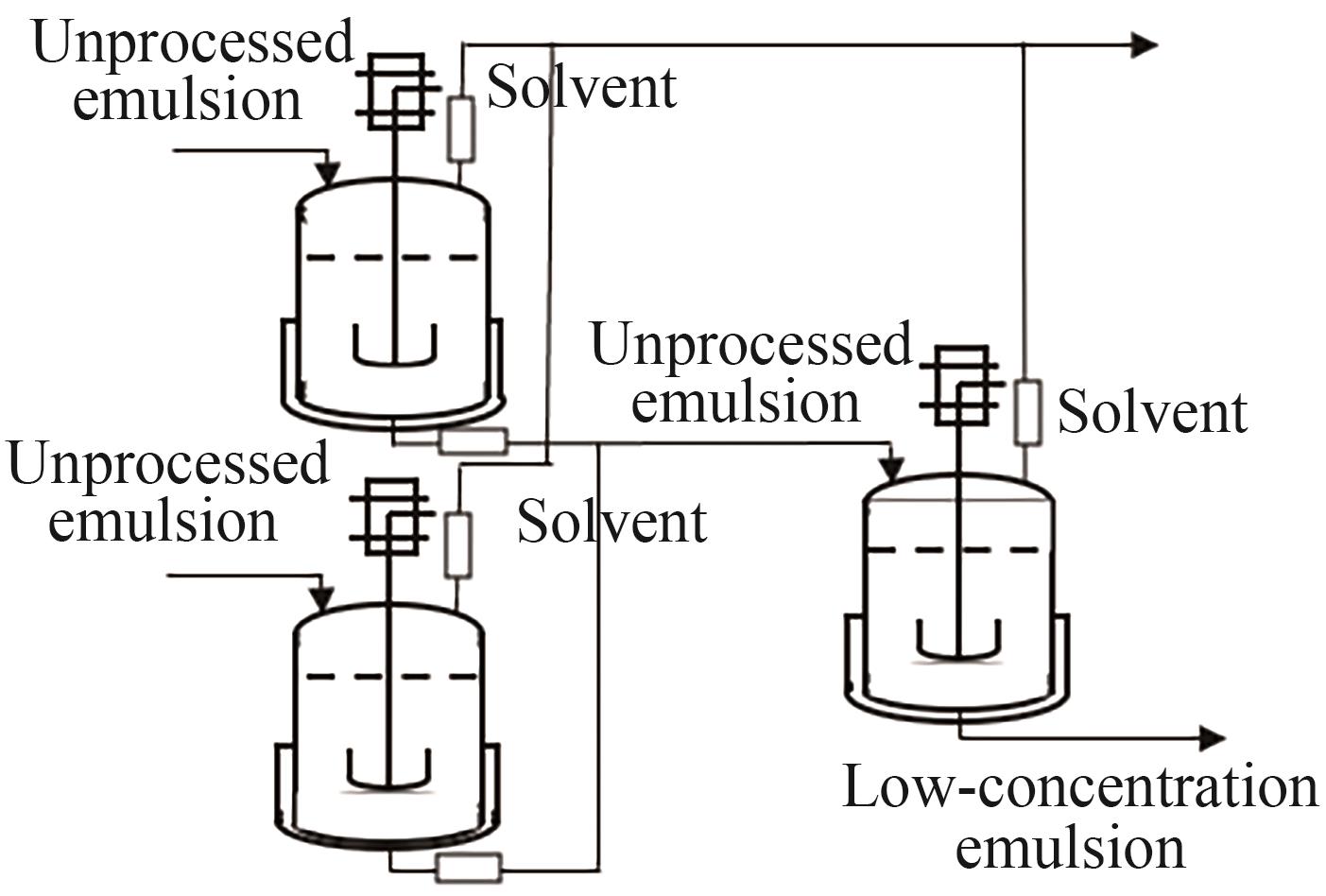
Fig.7 Sketch of parallel connection with series configuration of two distillation vessels
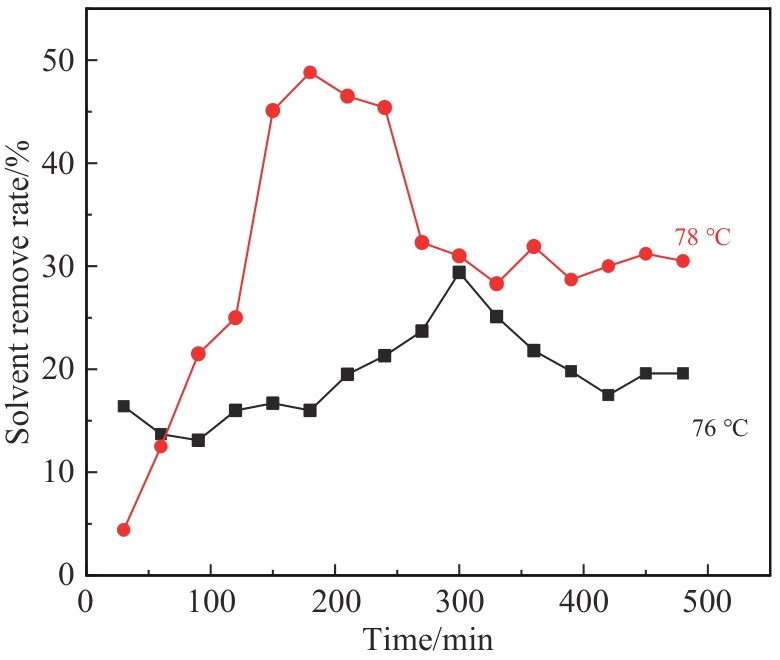
Fig.8 Fluctuation of solvent stripping rate of stage-2 vessel in twin-series continuous distillation system
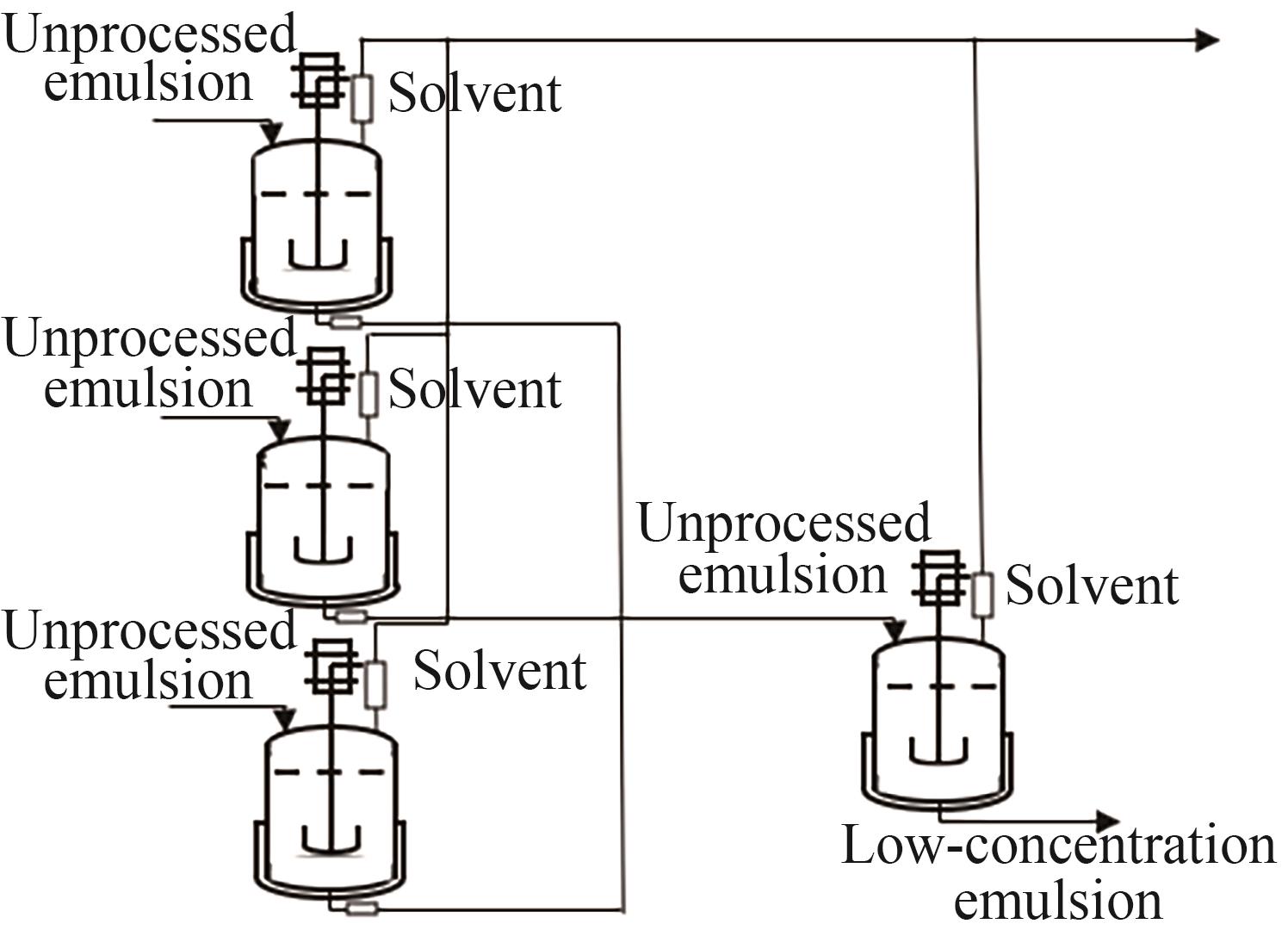
Fig.9 Sketch of parallel connection with series configuration of three distillation vessels
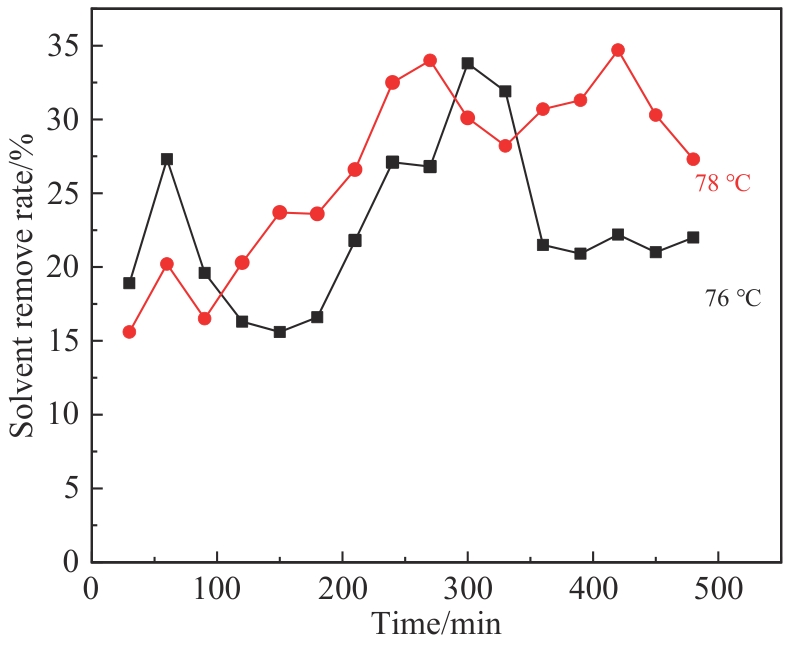
Fig.10 Fluctuation of solvent stripping rate of stage-2 vessel in three-series continuous distillation system
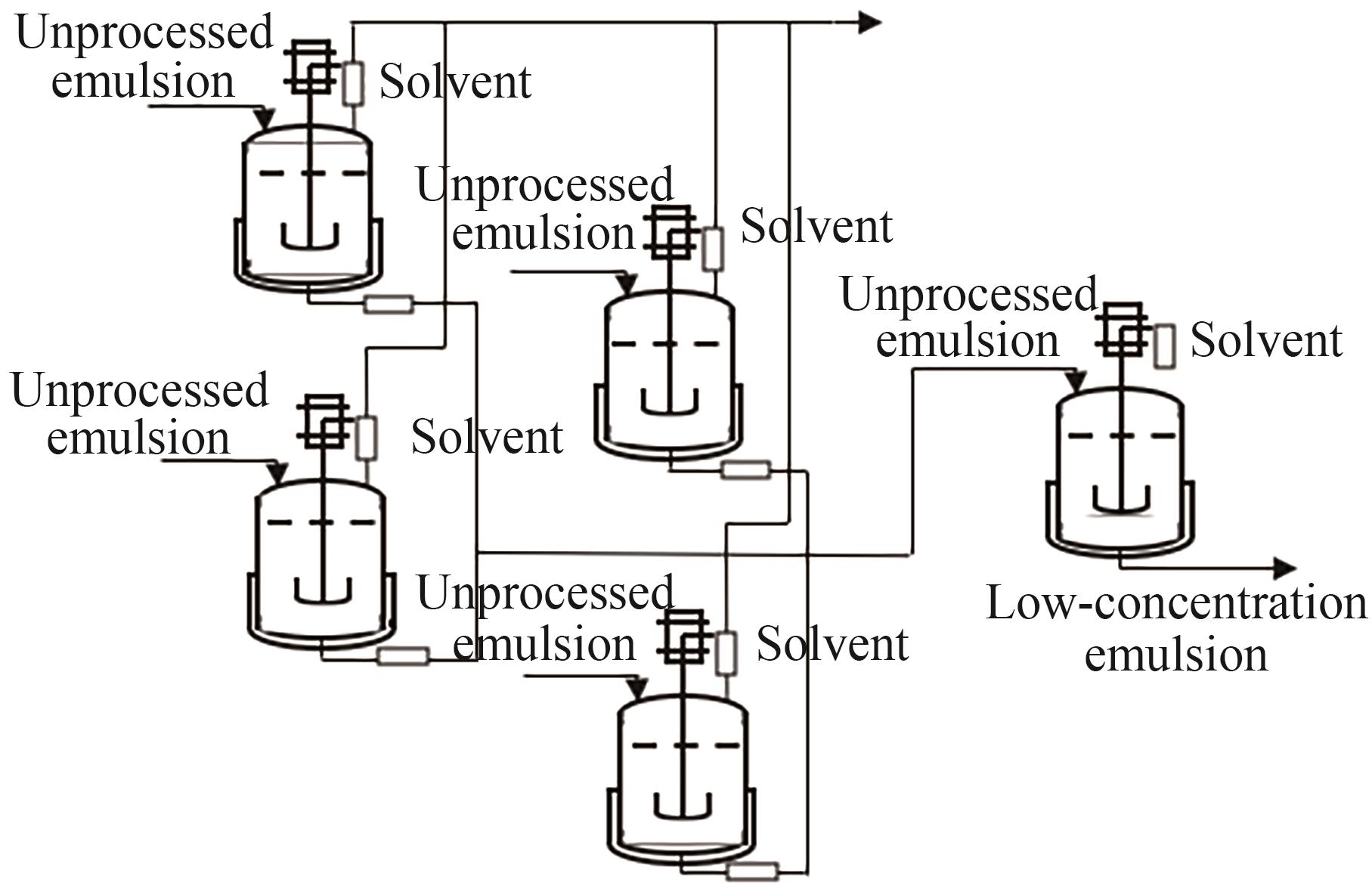
Fig.11 Sketch of parallel connection with series configuration of four-unit distillation vessels
| Distillation temperature/℃ | Distillation duration/h | Solvent removal rate/% | Gel loss/% | Phenomenon |
|---|---|---|---|---|
| 76 | 4.2~4.5 | 15~25 | 0.68 | Less foam, calm state |
| 78 | 4.2~4.5 | 25~30 | 0.90 | Foam increases |
Table 6 Performance of stage-2 vessel in twin-series continuous distillation system
| Distillation temperature/℃ | Distillation duration/h | Solvent removal rate/% | Gel loss/% | Phenomenon |
|---|---|---|---|---|
| 76 | 4.2~4.5 | 15~25 | 0.68 | Less foam, calm state |
| 78 | 4.2~4.5 | 25~30 | 0.90 | Foam increases |
| Distillation temperature/℃ | Distillation duration/h | Solvent removal rate/% | Gel loss/% | Phenomenon |
|---|---|---|---|---|
| 76 | 3 | 15~25 | 0.98 | Less foam, calm state |
| 78 | 3 | 25~30 | 0.95 | Foam increases |
Table 7 Performance of stage-2 vessel in three-series continuous distillation syste
| Distillation temperature/℃ | Distillation duration/h | Solvent removal rate/% | Gel loss/% | Phenomenon |
|---|---|---|---|---|
| 76 | 3 | 15~25 | 0.98 | Less foam, calm state |
| 78 | 3 | 25~30 | 0.95 | Foam increases |
| Distillation temperature/℃ | Distillation duration/h | Solvent removal rate/% | Gel loss/% | Phenomenon |
|---|---|---|---|---|
| 78 | 2.5 | 35~45 | 2.24 | A large amount of foam |
| 80 | 2.5 | 25~35 | 3.36 | A large amount of foam |
Table 8 Performance of stage-2 vessel in four-series continuous distillation syste
| Distillation temperature/℃ | Distillation duration/h | Solvent removal rate/% | Gel loss/% | Phenomenon |
|---|---|---|---|---|
| 78 | 2.5 | 35~45 | 2.24 | A large amount of foam |
| 80 | 2.5 | 25~35 | 3.36 | A large amount of foam |
| [1] | 赵瑞, 刘琼玲, 樊翌明. 医护人员乳胶手套过敏的研究进展[J]. 中华护理教育, 2014, 11(3): 223-225. |
| ZHAO R, LIU Q L, FAN L M. Research progress on latex glove allergy among healthcare workers[J]. Chin J Nurs Educ, 2014, 11(3): 223-225. | |
| [2] | 吕小军, 赵卿波, 赵洪福, 等. 用稀土聚异戊二烯橡胶制备人造异戊胶乳的乳化体系及制备工艺[J]. 合成橡胶工业, 2025, 48(2): 92-96. |
| LV X J, ZHAO Q B, ZHAO H F, et a1. Emulsification system and preparation process of artificial isoprene rubber latex using rare earth polyisoprene rubber[J]. China Synth Rubber Ind, 2025, 48(2): 92-96. | |
| [3] | 朱永康. Cariflex公司计划在新加坡建设世界最大聚异戊二烯胶乳工厂[J]. 橡胶科技, 2022, 20(12): 618. |
| ZHU Y K. Cariflex Company plans to build the world's largest polyisoprene latex factory in Singapore[J]. Rubber Sci Technol, 2022, 20(12): 618. | |
| [4] | 王红红. 人造聚异戊二烯胶乳连续化工艺的调控研究[D]. 大连: 大连理工大学, 2024. |
| WANG H H. Study on the controllable preparation of artificial latex with polyisoprene rubber[D]. Dalian: Dalian University of Technology, 2024. | |
| [5] | MIRI S, POURPAK Z, ZARINARA A, et a1. Prevalence of type I allergy to natural rubber latex and type IV allergy to latex and rubber additives in operating room staff with glove-related symptoms[J]. Allergy Asthma Proc, 2007, 28(5): 557-563. |
| [6] | LEUNG R, HO A, CHAN J, et a1. Prevalence of latex allergy in hospital staff in Hong Kong[J]. Clin Exp Allerg, 1997, 27(2): 167-174. |
| [7] | A·W·范德瓦尔, M·松德尔曼, S·W·伯恩, 等. 科腾聚合物美国有限公司. 人造胶乳的制备办法: 中国, 200980126521.9[P], 2014-03-16. |
| VAN DER WAALS A W, SONDERMAN M, BOURNE S W, et al. Kraton Polymers USA, Inc. The method for preparing artificial latex: CN, 200980126521.9[P], 2014-03-16. | |
| [8] | 裴素明, 陶俊, 池水媛, 等. 聚异戊二烯胶乳及其应用现状[J]. 合成橡胶工业, 2014, 37(2): 150-153. |
| PEI S M, TAO J, CHI S Y, et al. Polyisoprene latex and its application status[J]. China Synth Rubber Ind, 2014, 37(2): 150-153. | |
| [9] | 李俊杰. 聚异戊二烯橡胶制备异戊胶乳的工艺研究[D]. 大连: 大连理工大学, 2018. |
| LI J J. Technical study on the preparation of IRL by IR[D]. Dalian: Dalian University of Technology, 2018. |
| [1] | Shu-Ming DAI, Jia-Yue LI, Yu CHENG, Kun-Yu ZHANG, Zhe MA, Zi-He ZHAO, Bin WANG. Preparation and Properties of Poly(L-lactide-p-dioxocyclohexanone) [J]. Chinese Journal of Applied Chemistry, 2025, 42(12): 1629-1635. |
| [2] | Qing-Hua SHANG, Meng-Yuan ZHANG, Hao-Tian ZHENG, Zheng ZHAO, Jiang-Tao LI, Yi-Long CHENG. Antibacterial Polymer Hydrogel Based on Cold Plasma-Activated Water for Infected Wound Regeneration [J]. Chinese Journal of Applied Chemistry, 2025, 42(11): 1461-1471. |
| [3] | Yu-Mei LUO, Yun ZHOU, Yi ZHOU, Ya-Fei SHAO. Preparation of Polyurea Aerogels and the Effect on Lightweight Composite Mortar [J]. Chinese Journal of Applied Chemistry, 2025, 42(2): 238-248. |
| [4] | Yu-Xuan LI, Yu-Hao ZHAO, Yu-Ze DAI, Min JIANG, Ying ZHANG, Guang-Yuan ZHOU. Preparation and Characterization of Poly(ethylene 2,5-furandicarboxylate)/TiO2 Nanoparticles/ Diatomaceous Earth Composites [J]. Chinese Journal of Applied Chemistry, 2023, 40(9): 1277-1287. |
| [5] | LIU Yong-Jun, HU Meng-Yun, WANG Han, LIU Xiao-Ling, SHENG Shou-Ri, HOU Hao-Qing. Synthesis of Heat-resistant and Transparent Poly(Ether Sulfone Ether Ketone Ketone) [J]. Chinese Journal of Applied Chemistry, 2021, 38(8): 933-937. |
| [6] | ZHOU Chao, SHENG Cheng-Ju, WEN Lin-Lin. Preparation of Imidazolium Salt-based Poly(ionic liquids) Antibacterial Agent and Its Application in Hydrogel Dressing [J]. Chinese Journal of Applied Chemistry, 2021, 38(1): 51-59. |
| [7] | JIA Xiangyu1,2, LIU Heng1,2, ZHANG Xuequan1*. Cis-1,4 Selective Polymerization of 1,3-Butadiene Catalyzed by Cobalt Complexes Bearing 2-(1-Aryliminomethylene)quinolines [J]. Chinese Journal of Applied Chemistry, 2014, 31(02): 147-152. |
| [8] | WANG Honghua1, GUAN Xinghua1, WANG Zhipeng1, ZHOU Guangyuan1,2*, LI Cunfeng2. Synthesis of Phenolphthalein Poly(ether ketone) with Epoxy Side Group and Its Self-Curing [J]. Chinese Journal of Applied Chemistry, 2013, 30(08): 974-976. |
| [9] | ZHAO Xin, LI Wei, LIU Shouxin*, LI Bin. Preparation of Spherical Micro-mesopore Hierarchical Carbon from Phenol-Formaldehyde via Soft Template Method [J]. Chinese Journal of Applied Chemistry, 2013, 30(04): 420-426. |
| [10] | TANG Yue1,2, DAI Quanquan2, ZHANG Xuequan1,2*. Polymerization of Butadiene by Using a Novel Fe Catalyst System [J]. Chinese Journal of Applied Chemistry, 2013, 30(01): 11-15. |
| [11] | TIAN Lin1, BI Jifu2, WU Guangfeng1*, ZHANG Xuequan2*. Studies on Butadiene Polymerization by Using Neodymium Chloride Ethylene Glycol Dimethyl Ether Complex as Catalyst [J]. Chinese Journal of Applied Chemistry, 2013, 30(01): 16-21. |
| [12] | ZU Yanhua1, JIANG Pengbo1, SONG Shuang1, YU Shijun1, JIAN Xigao2, JIN Qifeng1*. Synthesis and Properties of Fluorine and Silicon Modified Polyurethane Self-assembly Films [J]. Chinese Journal of Applied Chemistry, 2012, 29(10): 1138-1142. |
| [13] | BAI Yungang, ZHANG Guibao*, LI Baixiang, LI Yuesheng. Acrylonitrile Polymerization Behavior in the Ethylene Carbonate [J]. Chinese Journal of Applied Chemistry, 2012, 29(09): 990-994. |
| [14] | WANG Qingling, HU Yingmo*, BIAN Jing. Synthesis and Characterization of Starch/Lactic Acid Graft Copolymer Catalyzed with Zinc Oxide [J]. Chinese Journal of Applied Chemistry, 2012, 29(03): 256-259. |
| [15] | CHEN Hao1, ZOU Qichao1*, YU Huan1, ZHANG Jinzhi2, CHAI Shigan2. Synthesis and Characterization of Size Controllable Cationic Polystyrene Nanoparticles [J]. Chinese Journal of Applied Chemistry, 2012, 29(01): 29-36. |
| Viewed | ||||||
|
Full text |
|
|||||
|
Abstract |
|
|||||
