Chinese Journal of Applied Chemistry ›› 2026, Vol. 43 ›› Issue (2): 295-304.DOI: 10.19894/j.issn.1000-0518.240433

• Chemistry Teaching and Experiment Innovation • Previous Articles    

Improving the Problem Design Ability of Chemistry Teacher Education Students in Teaching

Jun-Zhou HU1,2(), Li-Xia ZHANG1, Chu-Sheng HUANG1   

  1. 1.School of Chemistry and Materials,Nanning Normal University,Nanning 530199,China
    2.Linghu Middle School of Huzhou City,Huzhou 313018,China
  • Received:2024-12-31 Accepted:2025-12-24 Published:2026-02-01 Online:2026-03-06
  • Contact: Jun-Zhou HU
  • About author:Hujunzhou_123@163.com

Abstract:

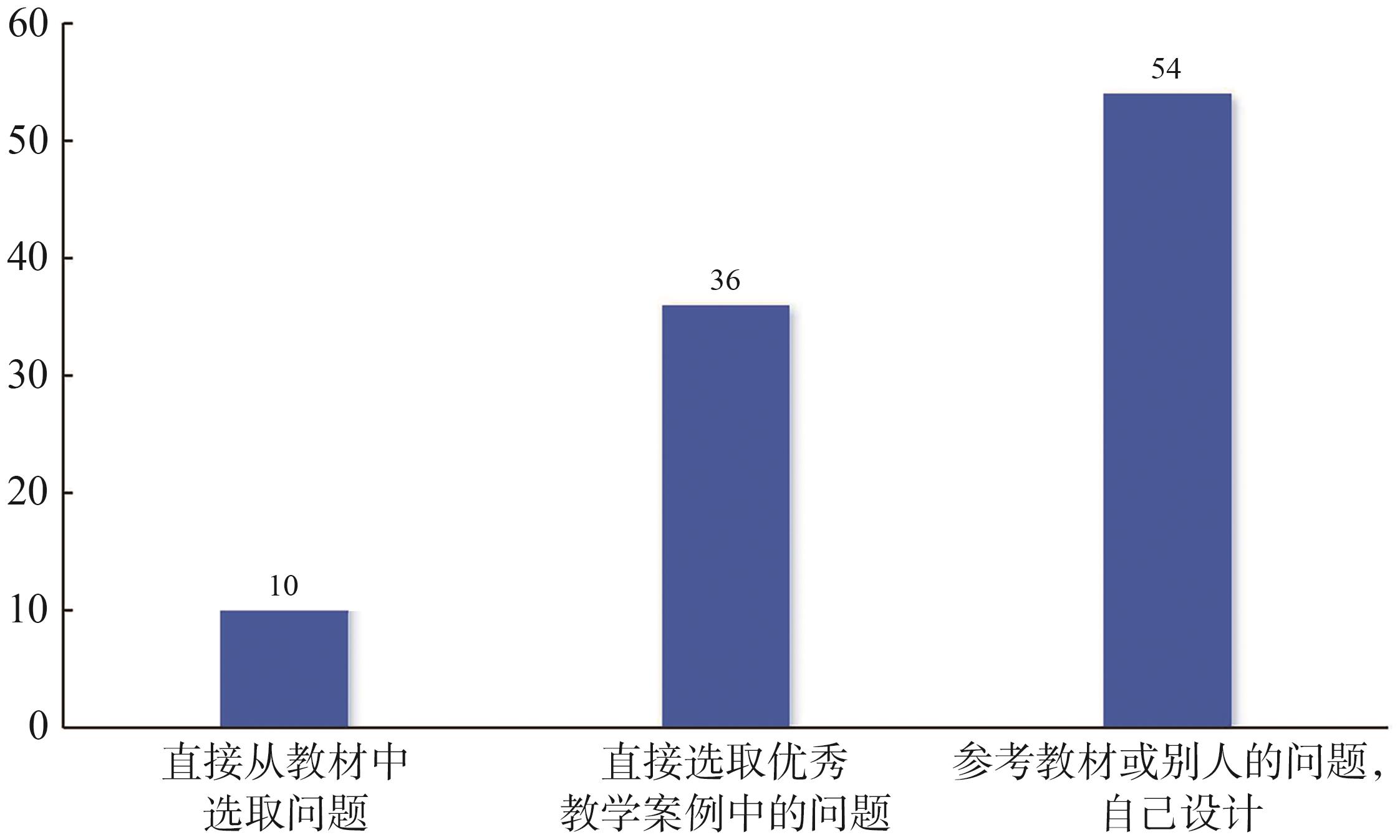
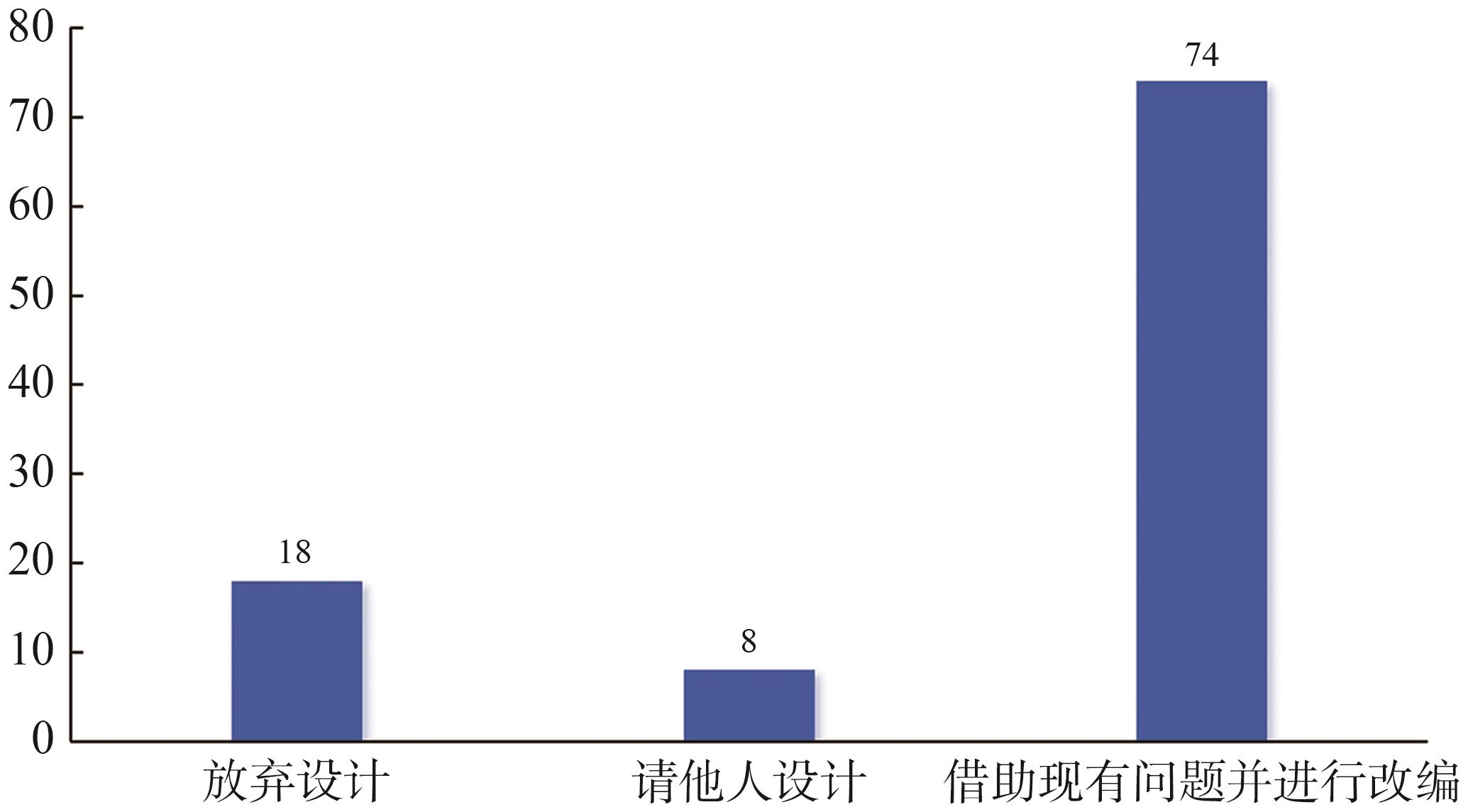
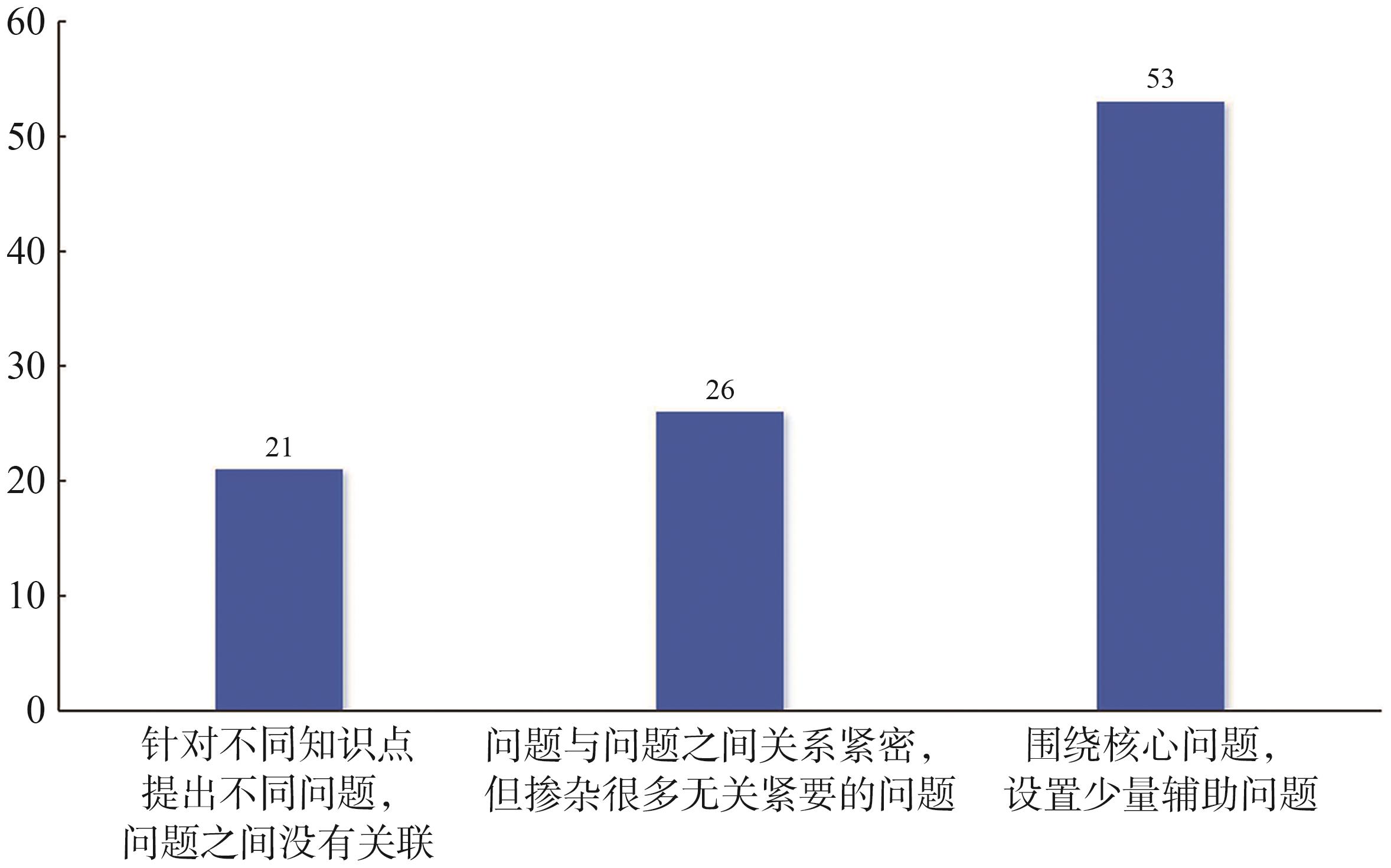
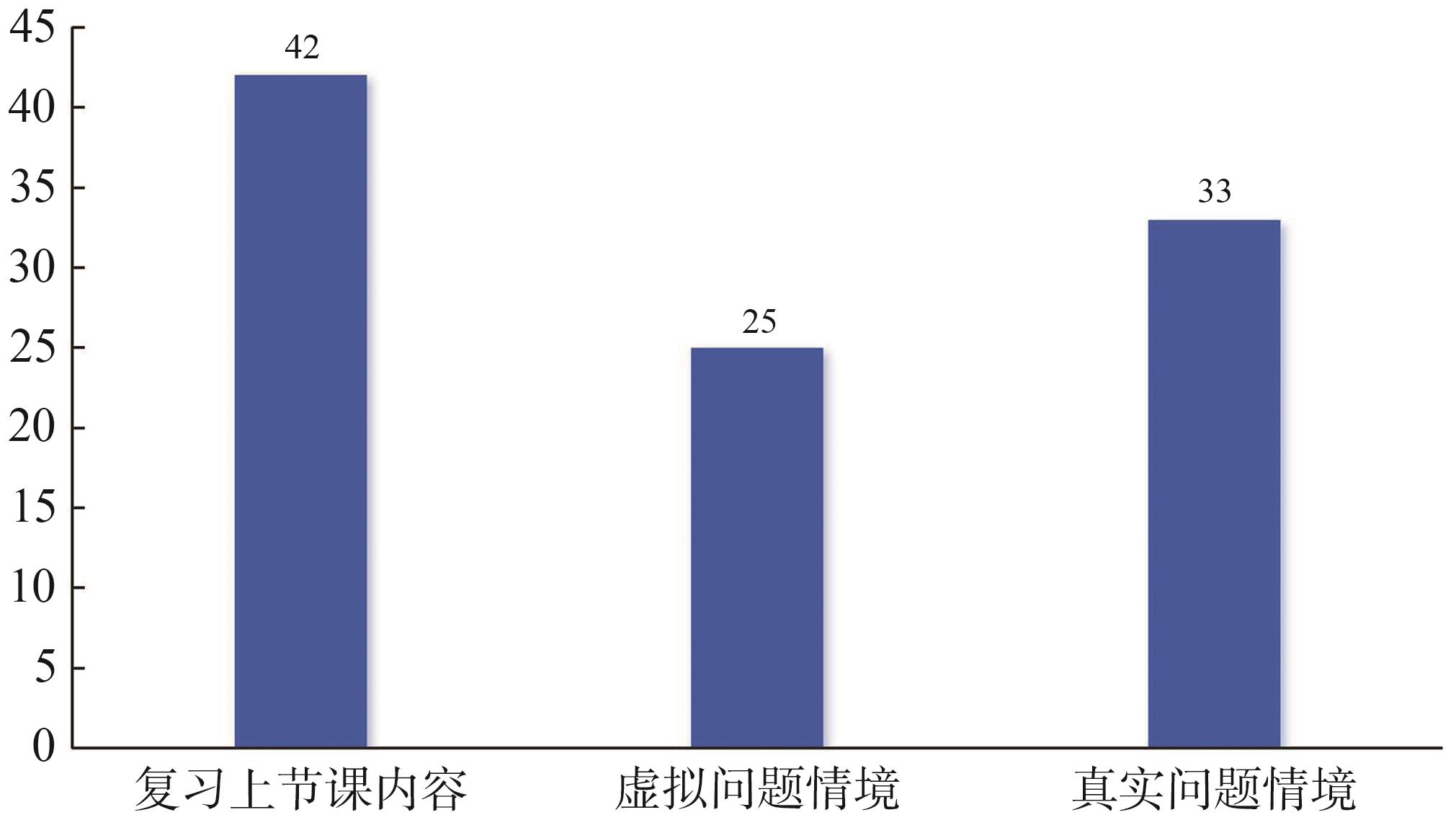
As a driving force for students' learning, problems are not only important tools for guiding learning, but also the core of classroom content design. High quality teaching problems can not only inspire students' thinking, cultivate their innovative spirit and practical ability, but also help them better adapt to the development and challenges of future society. Therefore, in teaching, deep, inspiring, and innovative questions should be designed to meet the diverse requirements of different learning stages and learning needs. As future educators, chemistry teacher trainees not only need to master solid subject knowledge and practical skills, but also need to have the ability to independently design, organize, and implement efficient teaching activities from multiple dimensions such as student cognitive development, teaching method innovation, and classroom interaction. Based on this, this article adopts research methods such as literature review and questionnaire survey to explore the current situation of the teaching problem design ability of chemistry teacher trainees, and proposes suggestions for improving their teaching problem design ability. The research results indicate that the teaching problem design ability of chemistry teacher trainees is generally good, but the development of abilities in various dimensions is uneven. Further improvement is needed in terms of in-depth analysis of learning situations, connection between problems and classrooms, and flexible application of diverse problem design.

Key words: Teaching issues, Chemistry teacher trainess, Teaching design, Teaching methods

CLC Number: