
Chinese Journal of Applied Chemistry ›› 2025, Vol. 42 ›› Issue (11): 1479-1490.DOI: 10.19894/j.issn.1000-0518.240374
• Full Papers • Previous Articles Next Articles
Wang-Yao JI, Xiao-Xia JIAN( ), Pei-Yao HAN, Xiang ZHANG
Received:2024-11-18
Accepted:2025-09-25
Published:2025-11-01
Online:2025-12-05
Contact:
Xiao-Xia JIAN
About author:jxx259@163.comCLC Number:
Wang-Yao JI, Xiao-Xia JIAN, Pei-Yao HAN, Xiang ZHANG. Preparation and Properties of Poly(3,4-ethylenedioxythiophene)- Poly(styrenesulfonate)/Polyvinyl Alcohol Semi-Interpenetrating Polymer Network[J]. Chinese Journal of Applied Chemistry, 2025, 42(11): 1479-1490.
Add to citation manager EndNote|Ris|BibTeX
URL: http://yyhx.ciac.jl.cn/EN/10.19894/j.issn.1000-0518.240374
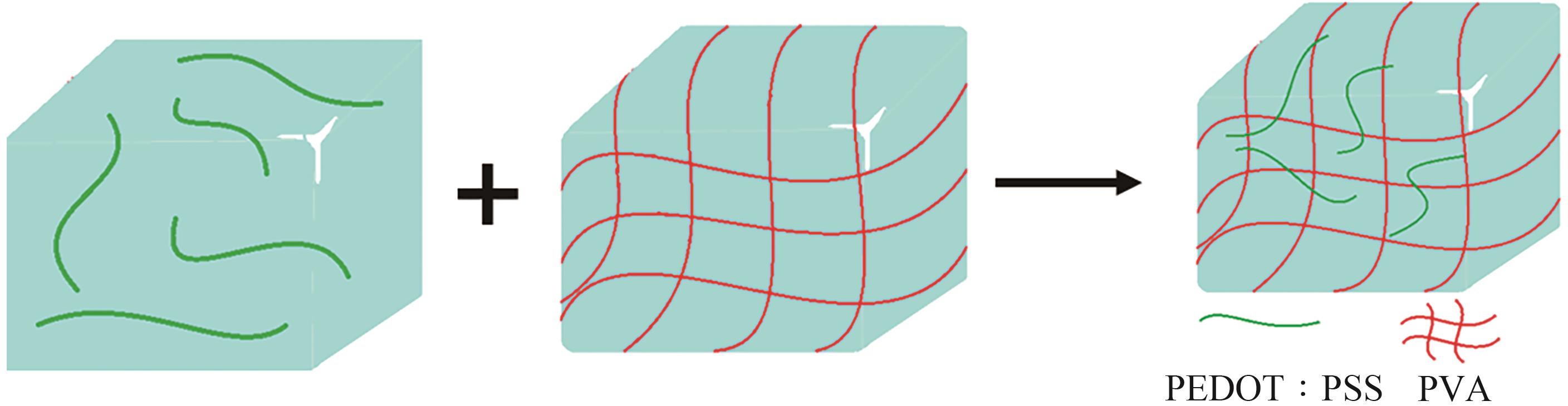
Fig.1 Structure diagram of PEDOT∶PSS/PVA semi-interpenetrating polymer network
| Sample | m(PEDOT∶PSS)/m(PVA) | w(PVA)/% |
|---|---|---|
| PEDOT∶PSS/PVA-1 | 10/0 | 0 |
| PEDOT∶PSS/PVA-2 | 10/4.31 | 30 |
| PEDOT∶PSS/PVA-3 | 10/6.67 | 40 |
| PEDOT∶PSS/PVA-4 | 10/10 | 50 |
| PEDOT∶PSS/PVA-5 | 10/15 | 60 |
Table 1 Formula table of PEDOT∶PSS/PVA
| Sample | m(PEDOT∶PSS)/m(PVA) | w(PVA)/% |
|---|---|---|
| PEDOT∶PSS/PVA-1 | 10/0 | 0 |
| PEDOT∶PSS/PVA-2 | 10/4.31 | 30 |
| PEDOT∶PSS/PVA-3 | 10/6.67 | 40 |
| PEDOT∶PSS/PVA-4 | 10/10 | 50 |
| PEDOT∶PSS/PVA-5 | 10/15 | 60 |
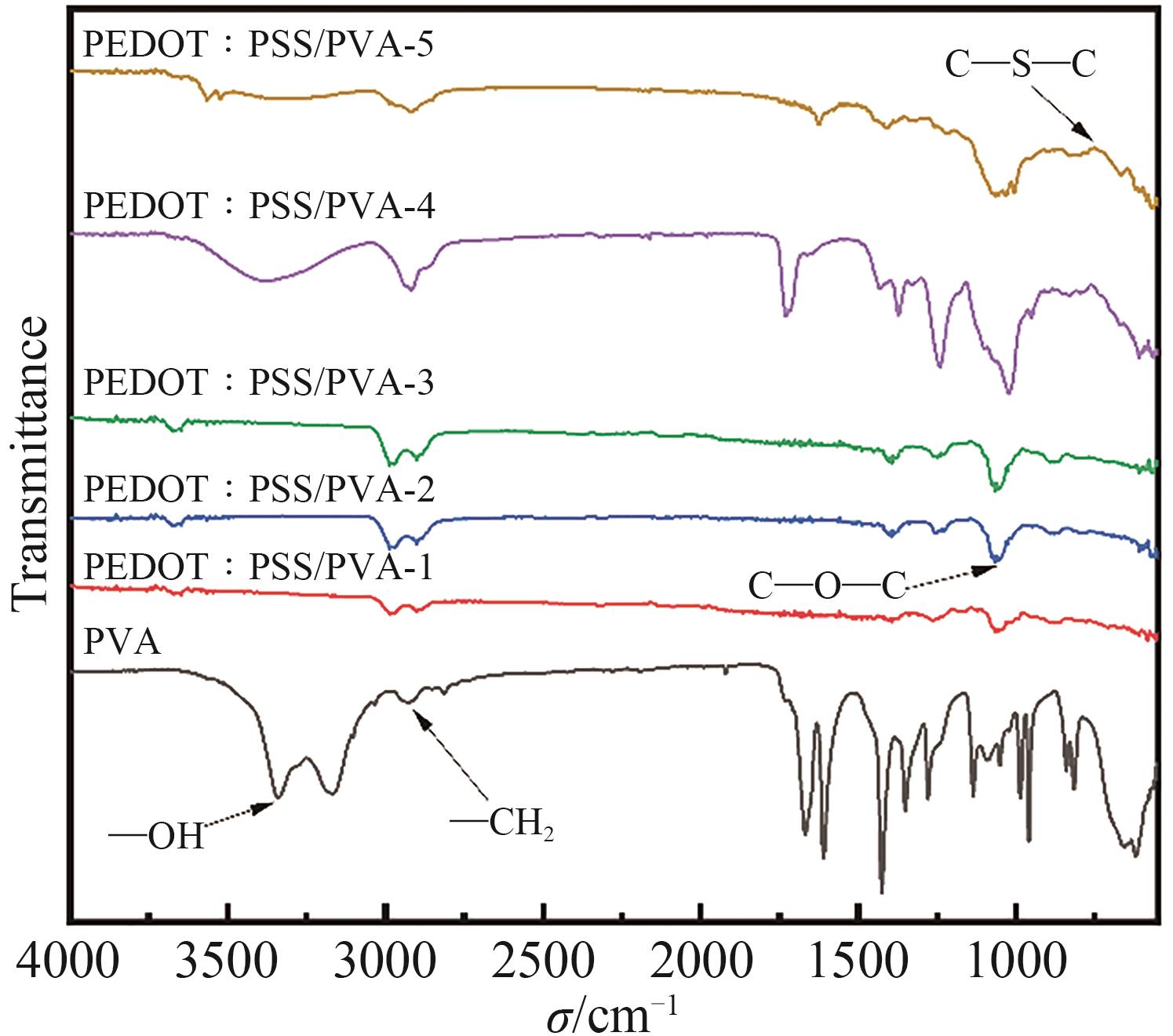
Fig.2 FT-IR spectra of PEDOT∶PSS/PVA
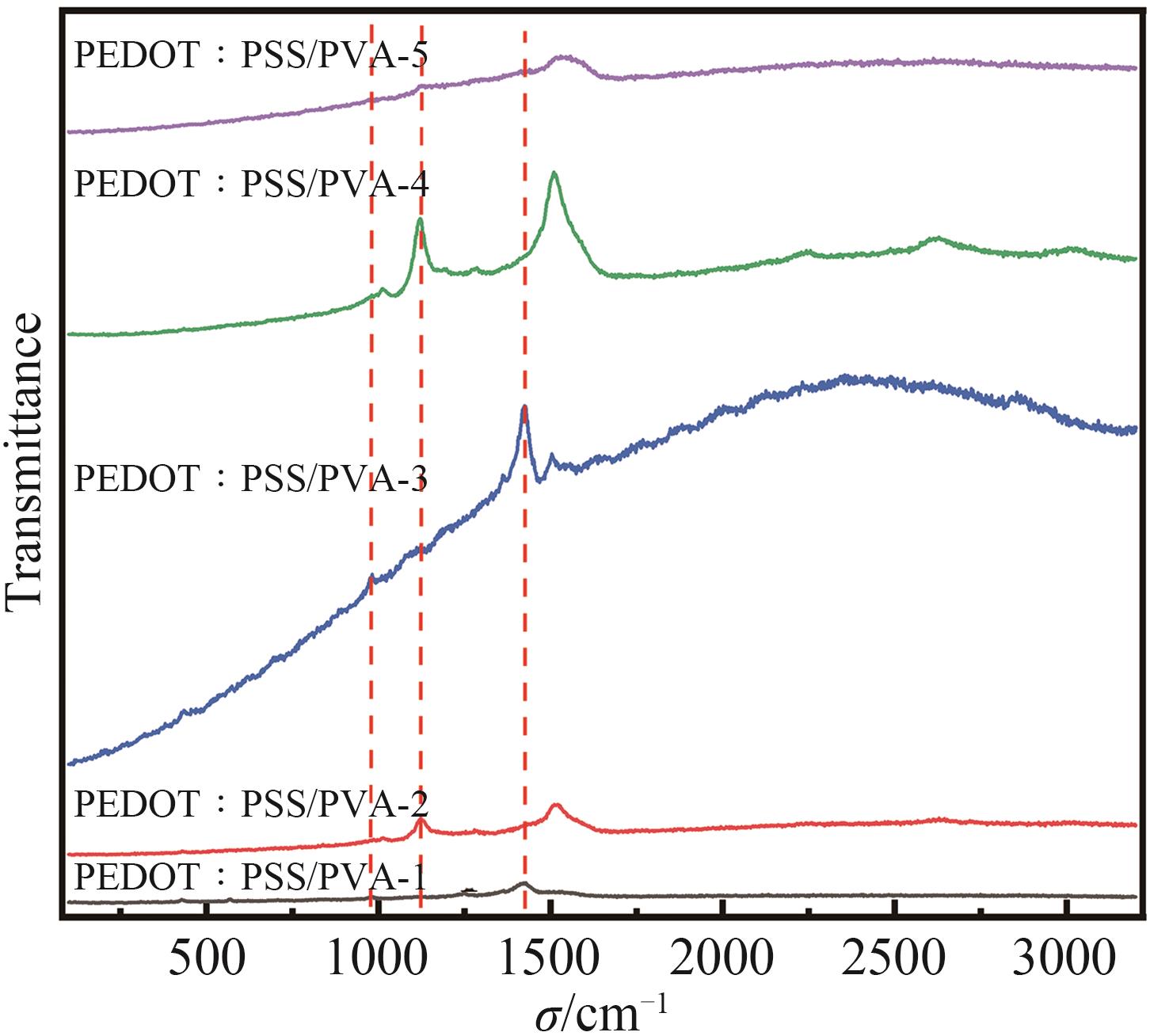
Fig.3 Raman spectra of PEDOT∶PSS/PVA
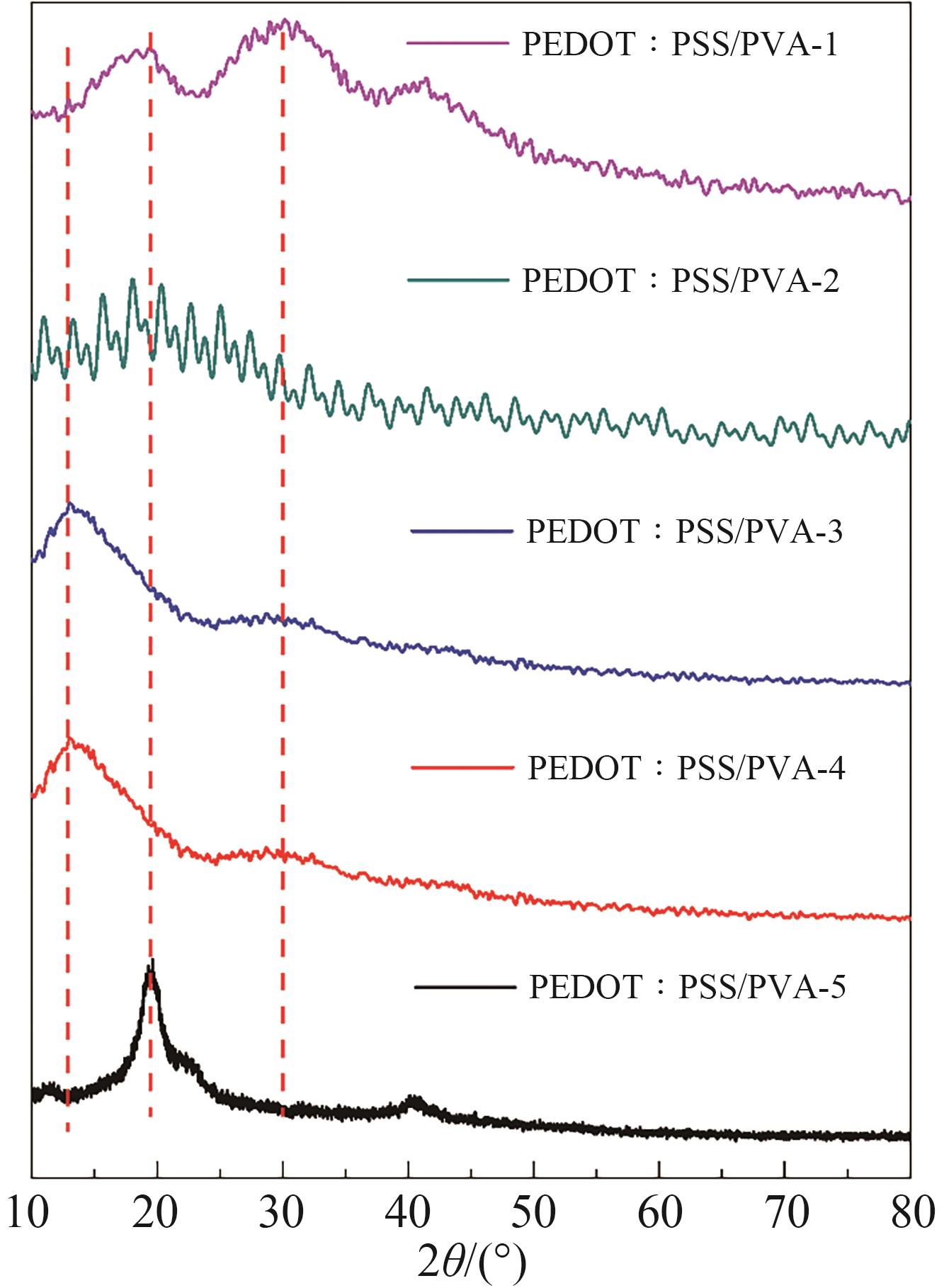
Fig.4 XRD patterns of PEDOT∶PSS/PVA
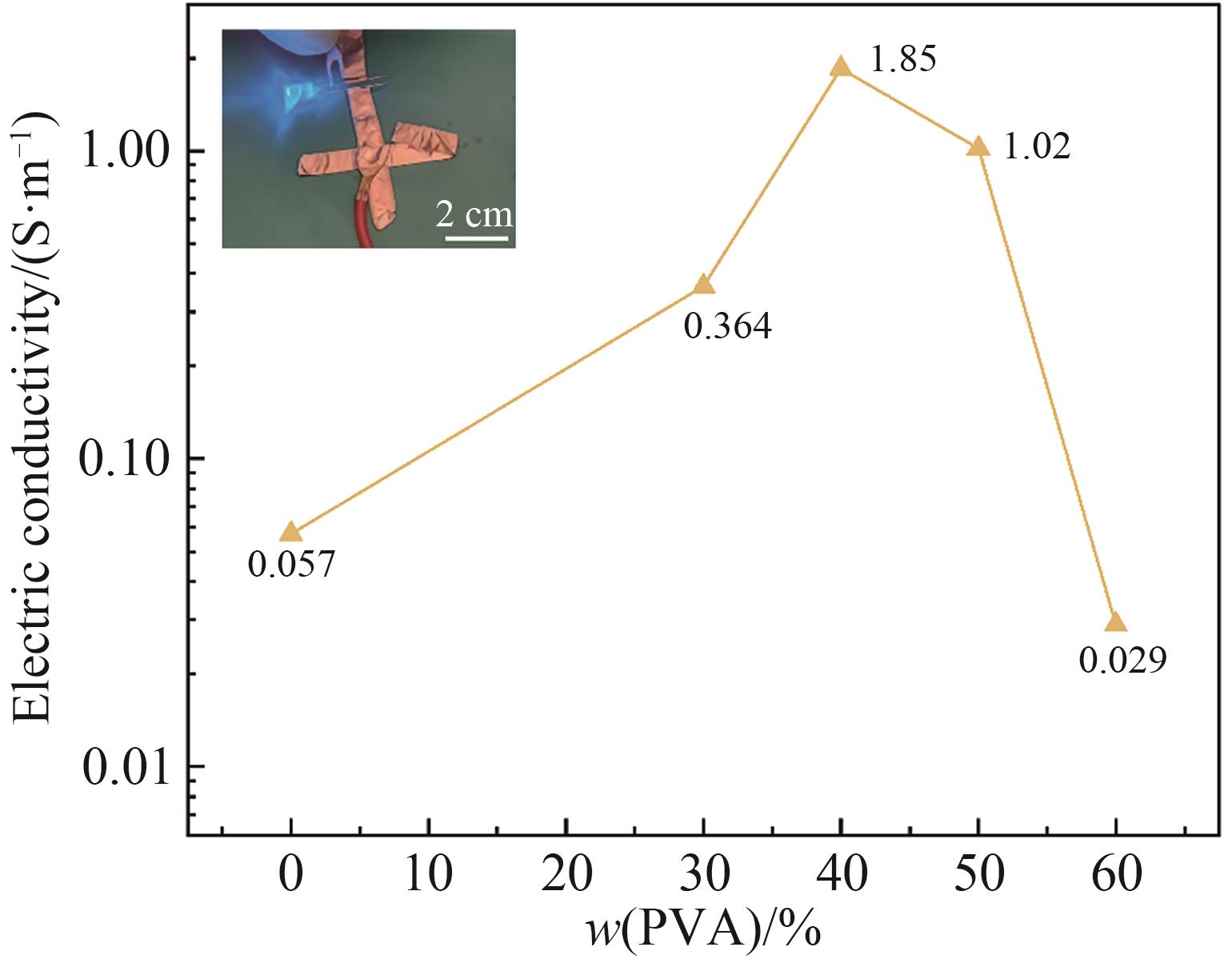
Fig.5 The effect of the mass fraction of PVA on the conductivity of PEDOT∶PSS/PVA
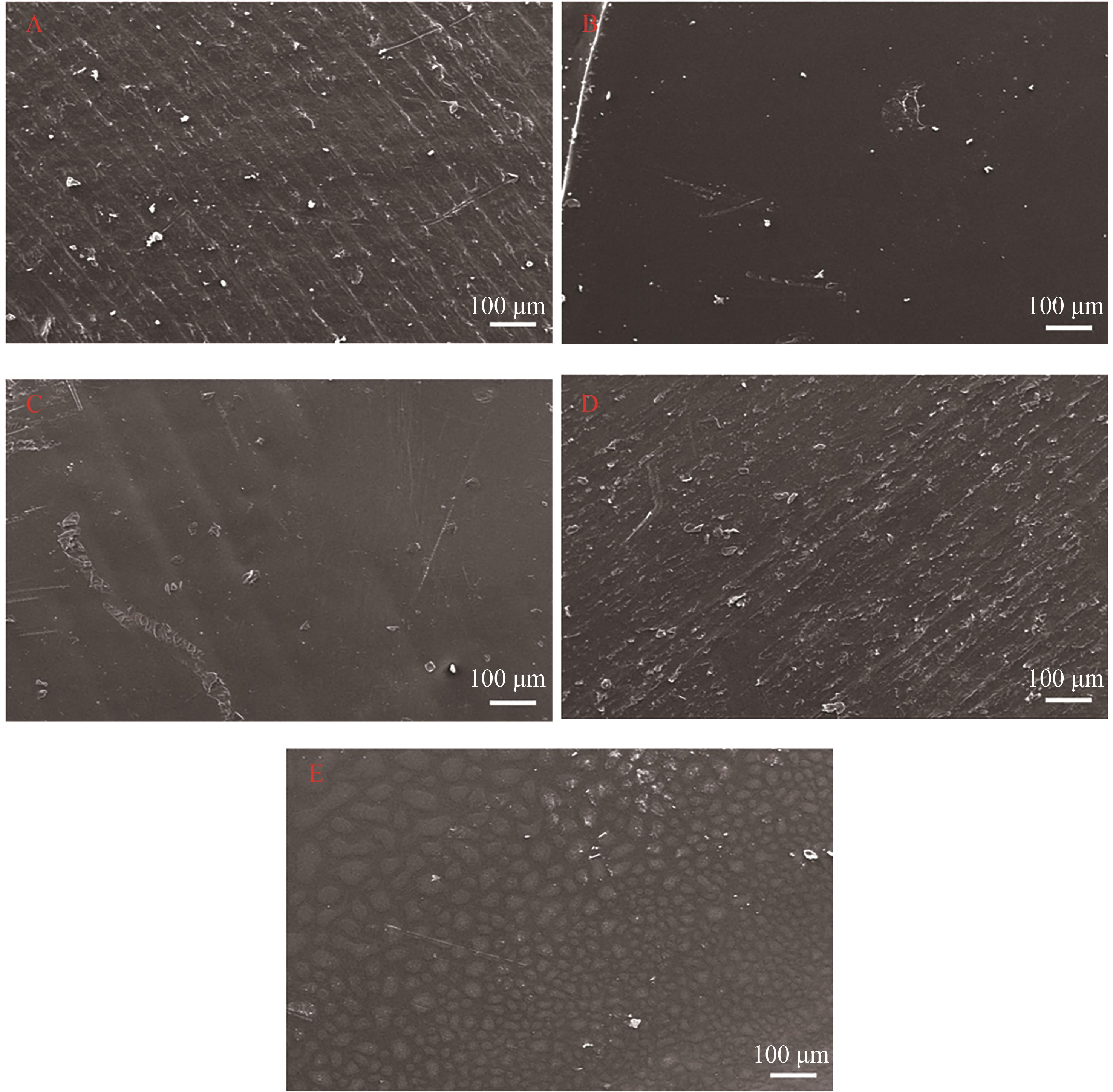
Fig.6 SEM images of PEDOT∶PSS/PVA semi-interpenetrating polymer network
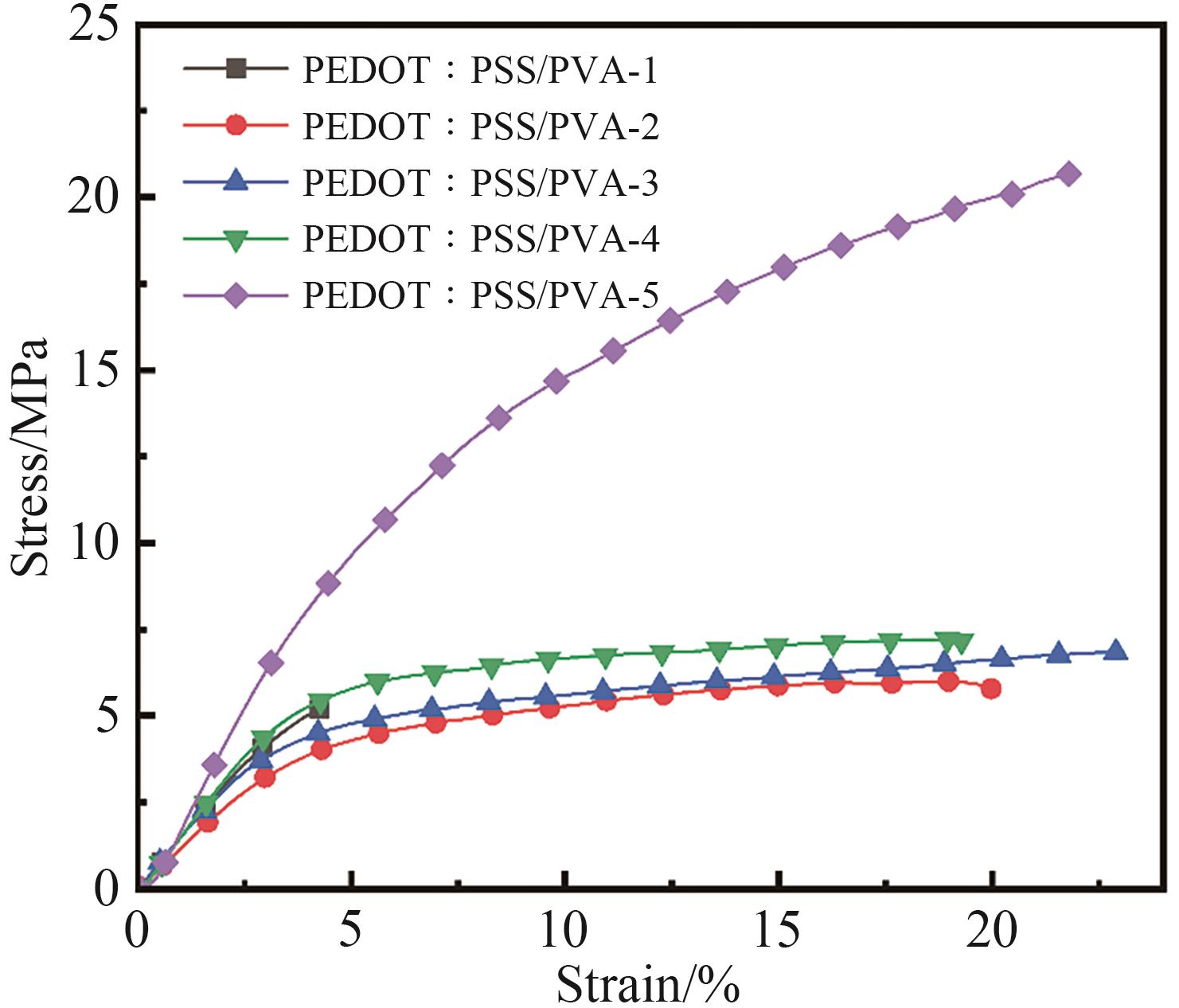
Fig.7 Mechanical properties of PEDOT∶PSS/PVA
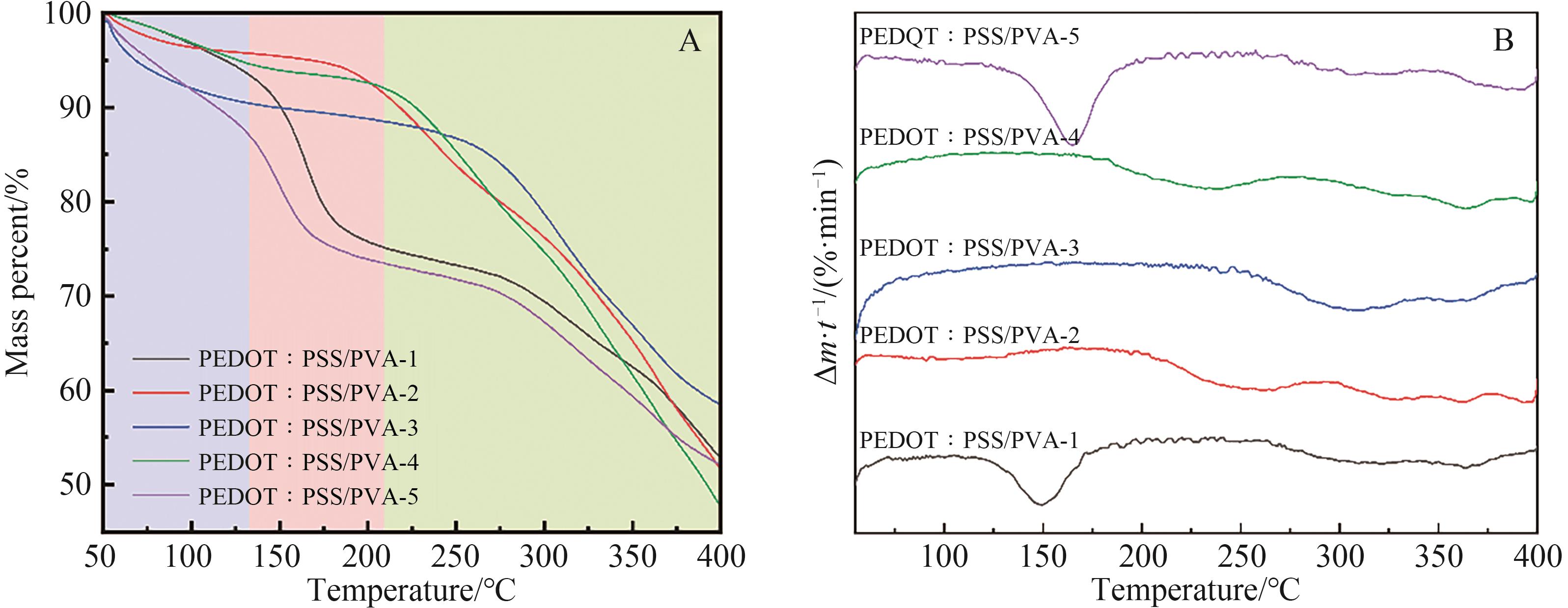
Fig.8 (A) Thermogravimetry curves of PEDOT∶PSS/PVA; (B) Derivative thermogravimetry curves of PEDOT∶PSS/PVA
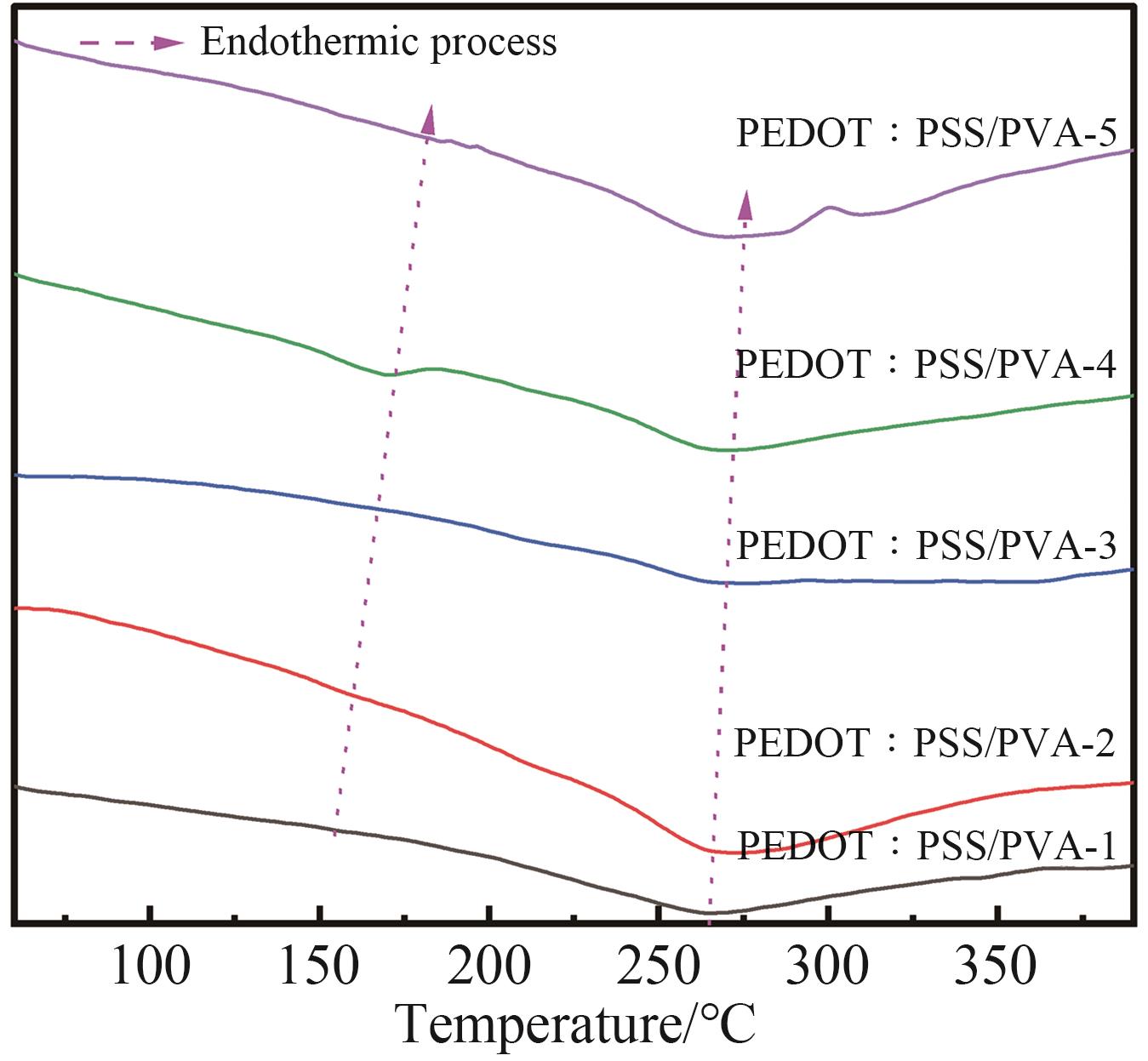
Fig.9 DSC of PEDOT∶PSS/PVA
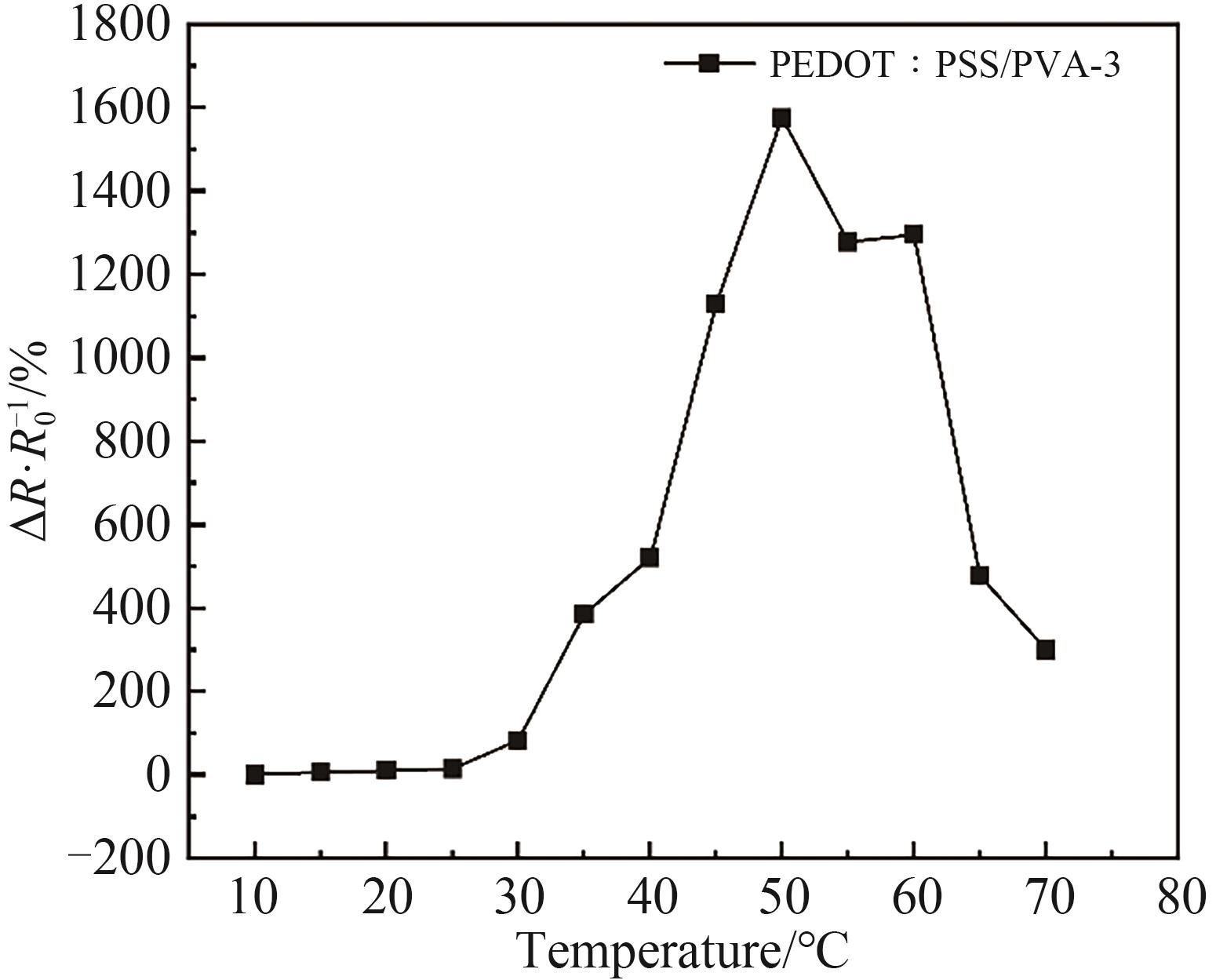
Fig.10 Relationship between resistance and temperature of PEDOT∶PSS/PVA
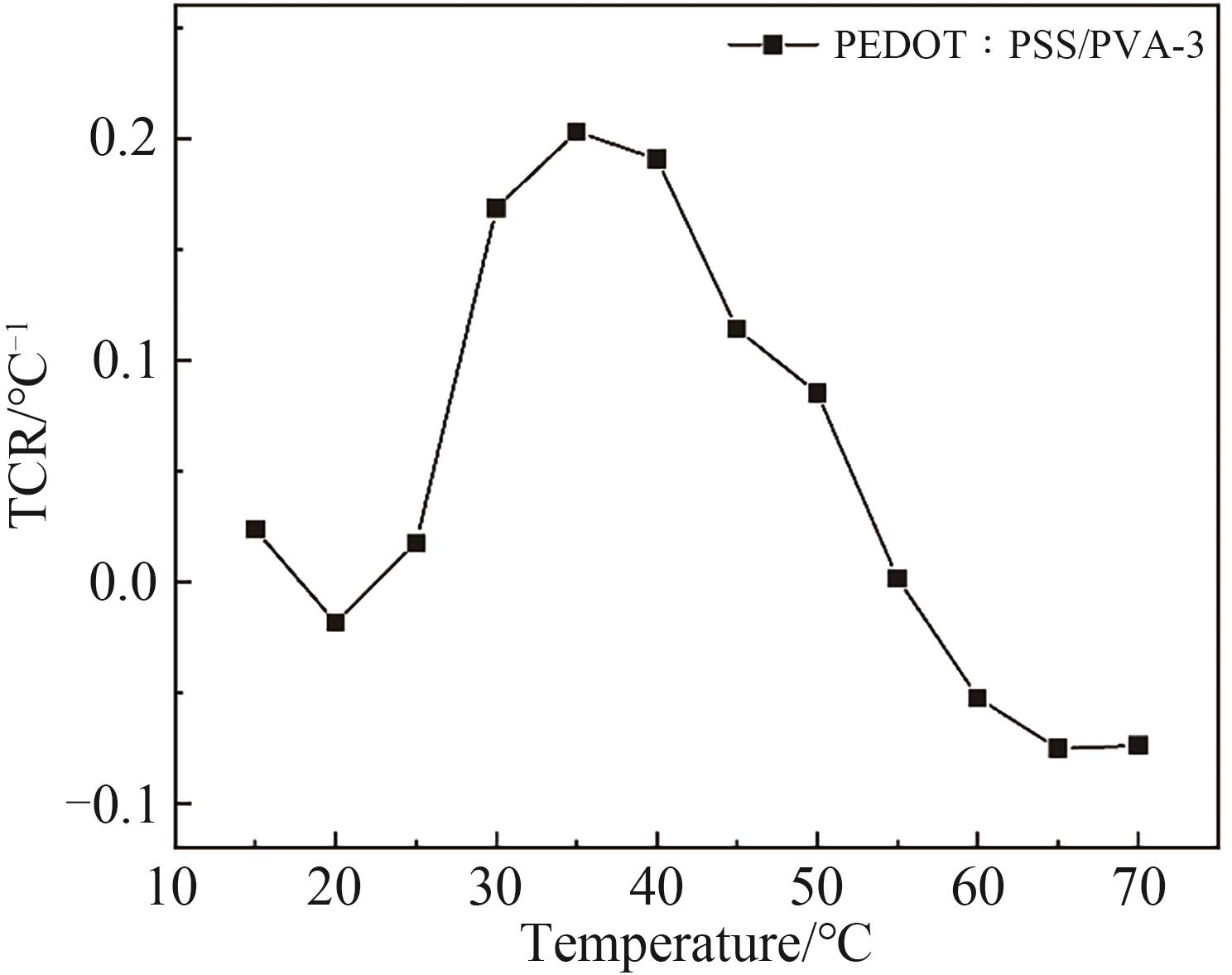
Fig.11 Relationship between the temperature coefficient of resistance and temperature of PEDOR∶PSS/PVA-3
| [1] | GROENENDAAL B L, JONAS F, FREITAG D, et al. Poly(3,4-ethylenedioxythiophene) and its derivatives: past, present, and future[J]. Adv Mater, 2000, 12(7): 481-494. |
| [2] | DENG J D, GAO Y H, CHE Y L, et al. Acid doping of PEDOT∶PSS strengthens interfacial compatibility toward efficient and stable perovskite solar cells[J]. ACS Appl Energy Mater, 2024, 7(20): 9577-9585 |
| [3] | SHEN J F, YE M X, CHEN B, et al. Liquid metal-tailored PEDOT∶PSS for noncontact flexible electronics with high spatial resolution[J]. ACS Nano, 2022, 16(11): 19305-19318. |
| [4] | TEIXEIRA H J, DIAS C, VELOSO R C, et al. Tuning PEDOT∶PSS low-impedance thin films with high charge injection for microelectrodes applications[J]. Prog Org Coat, 2022, 168: 106894. |
| [5] | SONDERGAARD R R, HÖSEL M, ESPINOSA N, et al. Practical evaluation of organic polymer thermoelectrics by large-area R2R processing on flexible substrates[J]. Energy Sci Eng, 2013, 1(2): 81-88. |
| [6] | FAN X, STOTT N E, ZENG J X, et al. PEDOT∶PSS materials for optoelectronics, thermoelectrics, and flexible and stretchable electronics[J]. J Mater Chem A, 2023, 11(35): 18561-18591. |
| [7] | FENG C, ZHENG X J, XU R, et al. Highly efficient inkjet printed flexible organic light-emitting diodes with hybrid hole injection layer[J]. Org Electron, 2020, 85: 105822. |
| [8] | WU C Z, LUO Y, WANG J N, et al. Study on preparation and performance of PEDOT∶PSS/PVA/Ag conductive fiber[J]. J Text Inst, 2022, 113(6): 1176-1184. |
| [9] | SIDDHANTA S K, GANGOPADHYAY R. Conducting polymer gel: formation of a novel semi-IPN from polyaniline and crosslinked poly(2-acrylamido-2-methyl propanesulphonicacid)[J]. Polymer, 2005, 46(9): 2993-3000. |
| [10] | FAN Z, OUYANG J Y. Thermoelectric properties of PEDOT∶PSS[J]. Adv Electron Mater, 2019, 5(11): 1800769. |
| [11] | LANG U, NAUJOKS N, DUAL J. Mechanical characterization of PEDOT∶PSS thin films[J]. Synth Met, 2009, 159(5/6): 473-479. |
| [12] | WANG L J, ZHANG W, QIN H T, et al. Influence of solution-processed conditions on polymer bulk heterojunction solar cell performance[J]. Chin J Liq Cryst Displays, 2013, 28(4): 521-526. |
| [13] | 孙富昌, 潘雨辰, 张云飞, 等. PEDOT∶PSS/聚(丙烯酰胺-甲基丙烯酸)导电水凝胶的制备与性能[J]. 复合材料学报, 2022, 39(3): 1131-1140. |
| SUN F C, PAN Y C, ZHANG Y F, et al. Preparation and properties of PEDOT∶PSS/poly(acrylamide-comethacrylic acid) conductive hydrogels[J]. Acta Mater Compos Sin, 2022, 39(3): 1131-1140. | |
| [14] | ZHAO X, ZHONG S D, WANG S Q, et al. Potassium thiocyanate additive for PEDOT∶PSS layer to fabricate efficient tin-based perovskite solar cells[J]. Int J Miner Metall Mater, 2023, 30(12): 2451-2458. |
| [15] | WANG Z J, LI J W, ZHANG D Y, et al. Improving efficiency of inverted perovskite solar cells via ethanolamine-doped PEDOT∶PSS as hole transport layer[J]. Chin Phys B, 2022, 31(8): 087802. |
| [16] | ALVES L S M, DAS NEVES M F F, BENATTO L, et al. Influence of nanostructuring sensors based on graphene oxide and PEDOT∶PSS for methanol detection[J]. IEEE Sens J, 2023, 23(3): 1845-1853. |
| [17] | WANG Y H, WU S Q, YIN Q J, et al. Tuning thermoelectric performance of poly(3,4-ethylenedioxythiophene): poly(styrene sulfonate)/polyaniline composite films by nanostructure evolution of polyaniline[J]. Polym Test, 2021, 94: 107017. |
| [18] | SAU S, KUNDU S. Improved electrical and mechanical properties of highly stretchable polymeric films prepared by blending DMF with the mixed solution of PEDOT∶PSS and PVA[J]. Colloids Surf A: Physicochem Eng Aspects, 2023, 664: 131082. |
| [19] | LI X, XU Y T, ZHENG Y P, et al. PEDOT-PSS/PVA composite conductive textile with electromagnetic wave absorption properties prepared by in situ polymerization polymerization[J]. Acta Polym Sin, 2017(4): 661-668. |
| [20] | SAU S, KUNDU S. Fabrication of highly stretchable salt and solvent blended PEDOT∶PSS/PVA free-standing films: non-linear to linear electrical conduction response[J]. RSC Adv, 2024, 14(8): 5193-5206. |
| [21] | XIA Y J, OUYANG J Y. PEDOT∶PSS films with significantly enhanced conductivities induced by preferential solvation with cosolvents and their application in polymer photovoltaic cells[J]. J Mater Chem, 2011, 21(13): 4927-4936. |
| [22] | MORSI M A, ABDELRAZEK E M, TARABIAH A E, et al. Preparation and tuning the optical and electrical properties of polyethylene oxide/polyvinyl alcohol/poly(3,4-thylenedioxythiophene): polystyrene sulfonate/CuO-based quaternary nanocomposites for futuristic energy storage devices[J]. J Energy Storage, 2024, 80: 110239. |
| [23] | WANG X Y, FENG G Y, LI M J, et al. Effect of PEDOT∶PSS content on structure and properties of PEDOT∶PSS/poly(vinyl alcohol) composite fiber[J]. Polym Bull, 2019, 76(4): 2097-2111. |
| [24] | XU Z Y, LIU Y Y, LV M R, et al. An anti-fouling wearable molecular imprinting sensor based on semi-interpenetrating network hydrogel for the detection of tryptophan in sweat [J]. Anal Chim Acta, 2023, 1283: 341948. |
| [25] | KARA M O P, FREY M W. Effects of solvents on the morphology and conductivity of poly(3,4-ethylenedioxythiophene):poly(styrenesulfonate) nanofibers[J]. J Appl Polym Sci, 2014, 131(11): 1-8. |
| [26] | KIM D. PEDOT∶PSS-based high-performance thermoelectrics[J]. MACROMOL Res, 2024, 32(12): 18798. |
| [27] | GAO C X, ZHENG D Y, LONG B C, et al. Anti-swelling and adhesive γ-PGA/PVA/PEDOT∶PSS/TA composite conductive hydrogels for underwater wearable sensors[J]. Eur Polym J, 2023, 201: 112590. |
| [1] | Shou-Ping XU, Li-Hua ZENG, Pi-Hui PI, Xiu-Fang WEN, Jiang CHENG. Comprehensive Polymer Chemistry Experimental Design: Preparation of Hydrophilic Sponge [J]. Chinese Journal of Applied Chemistry, 2025, 42(1): 117-123. |
| [2] | Hai-Xiang XU, Ju-Pei XIA. Preparation of High Strength Waterproof Gypsum by Modified Polyvinyl Alcohol and Portland Cement [J]. Chinese Journal of Applied Chemistry, 2024, 41(8): 1131-1145. |
| [3] | Hao WANG, Xi-Yu WANG, Ying XIONG, Jun-Shuo CUI. Naphthalene-Based Reactive Dispersant and Its Application in Graphene-Reinforced Polyvinyl Alcohol Films [J]. Chinese Journal of Applied Chemistry, 2024, 41(12): 1712-1720. |
| [4] | Li-Juan YAN, Tian-He GAO, Dong-Jian SHI, Ming-Qing CHEN. Preparation and Properties of Eugenol/Modified Polyvinyl Alcohol Antibacterial Composite Films [J]. Chinese Journal of Applied Chemistry, 2023, 40(4): 527-535. |
| [5] | Kai-Jun LEI, Run-Run QIANG, Huai-Guo LI, Fang-Hao ZHENG, Zi-Xue JIAO, Zong-Liang WANG, Yu WANG, Ming-Feng HE, Pei-Biao ZHANG. Preparation and Characterization of Shangkehuangshui/Polyvinyl Alcohol Electrospinning Nanofiber Membranes as Wound Dressing [J]. Chinese Journal of Applied Chemistry, 2023, 40(11): 1539-1549. |
| [6] | Bing-Gang CHEN, San-Rong LIU, Zi-Jiang JIANG, Xi-Fei YU. Preparation and Properties Characterization of Hydrophilic Polysiloxane and Polyvinyl Alcohol Composite as Skin Barrier Material [J]. Chinese Journal of Applied Chemistry, 2022, 39(8): 1224-1236. |
| [7] | YU Jiarui, CHEN Shuai, XIN Xing, XU Jingkun. Research and Application Progress on Dimethyl Sulfoxide Modified Poly(3,4-ethylenedioxythiophene): Poly(styrenesulfonic acid) Films [J]. Chinese Journal of Applied Chemistry, 2020, 37(12): 1343-1356. |
| [8] | SUN Qi, WANG Liqiu, LIU Yang, GUO Chenxiao, WANG Pengjun, LIU Xuelong, ZHANG Xiaobo, ZHENG Lihui, LIU Liping. Preparation and Properties of Near Infrared Polyvinyl Alcohol Fluorescent Polymer Materials [J]. Chinese Journal of Applied Chemistry, 2018, 35(1): 53-59. |
| [9] | LIU Yan, YU Dan, LI Weiya, GAO Cuicui, WANG Wei. Application of Chitosan/Polyvinyl Alcohol Complex Film in Fabrics' Electroless Plating [J]. Chinese Journal of Applied Chemistry, 2015, 32(2): 200-206. |
| [10] | DENG Xinwang, HU Huiyuan, LUO Zhongkuan, WU Maosheng, ZHOU Li. Preparation and Properties of Heparin Sodium/Polyvinyl Alcohol Composite Hydrogel [J]. Chinese Journal of Applied Chemistry, 2015, 32(12): 1358-1363. |
| [11] | FAN Zhiheng, ZHOU Li*, OUYANG Junjun, LUO Zhongkuan, LI Miaomiao. Preparation and Performance of Polyvinyl Alcohol/Chitosan/Nano-hydroxyapatite Composite Hydrogel via a Chem-physical Method [J]. Chinese Journal of Applied Chemistry, 2014, 31(01): 61-64. |
| [12] | OUYANG Junjun,ZHOU Li*. Preparation and Properties of Porous β-Tricalcium Phosphate/Chitosan/Polyvinyl Alcohol Composite Hydrogel [J]. Chinese Journal of Applied Chemistry, 2012, 29(09): 995-999. |
| [13] | HE Yuxin, ZHANG Yuqing. Thermoplastic Starch/Polyvinyl Alcohol/Montmorillonite Nanocomposites [J]. Chinese Journal of Applied Chemistry, 2011, 28(07): 764-769. |
| [14] | ZHAO Shuixia, WANG Lailai*. Synthesis of Organosilixane Prepolymer and Their Application in Chemical Sand-fixing [J]. Chinese Journal of Applied Chemistry, 2011, 28(07): 753-758. |
| [15] | HUANG Qiong-Yu, ZHANG Ming-Xia, LIU Fang, XIAO Xiu-Feng, LIU Rong-Fang*. Preparation and Performance of Chitosan-Polyvinyl Alcohol-sodium Tripolyphosphate Complex Microparticles [J]. Chinese Journal of Applied Chemistry, 2010, 27(01): 21-26. |
| Viewed | ||||||
|
Full text |
|
|||||
|
Abstract |
|
|||||
