
Chinese Journal of Applied Chemistry ›› 2025, Vol. 42 ›› Issue (9): 1233-1244.DOI: 10.19894/j.issn.1000-0518.250039
• Full Papers • Previous Articles Next Articles
Hui-Peng ZHANG1( ), Yong-Feng WANG2, Ruo-Fan LI1
Received:2025-01-21
Accepted:2025-05-06
Published:2025-09-01
Online:2025-09-28
Contact:
Hui-Peng ZHANG
About author:zhanghuipeng022@163.comSupported by:CLC Number:
Hui-Peng ZHANG, Yong-Feng WANG, Ruo-Fan LI. The Tensile Properties of Concrete under Different Fiber Types and Their Dosages[J]. Chinese Journal of Applied Chemistry, 2025, 42(9): 1233-1244.
Add to citation manager EndNote|Ris|BibTeX
URL: http://yyhx.ciac.jl.cn/EN/10.19894/j.issn.1000-0518.250039
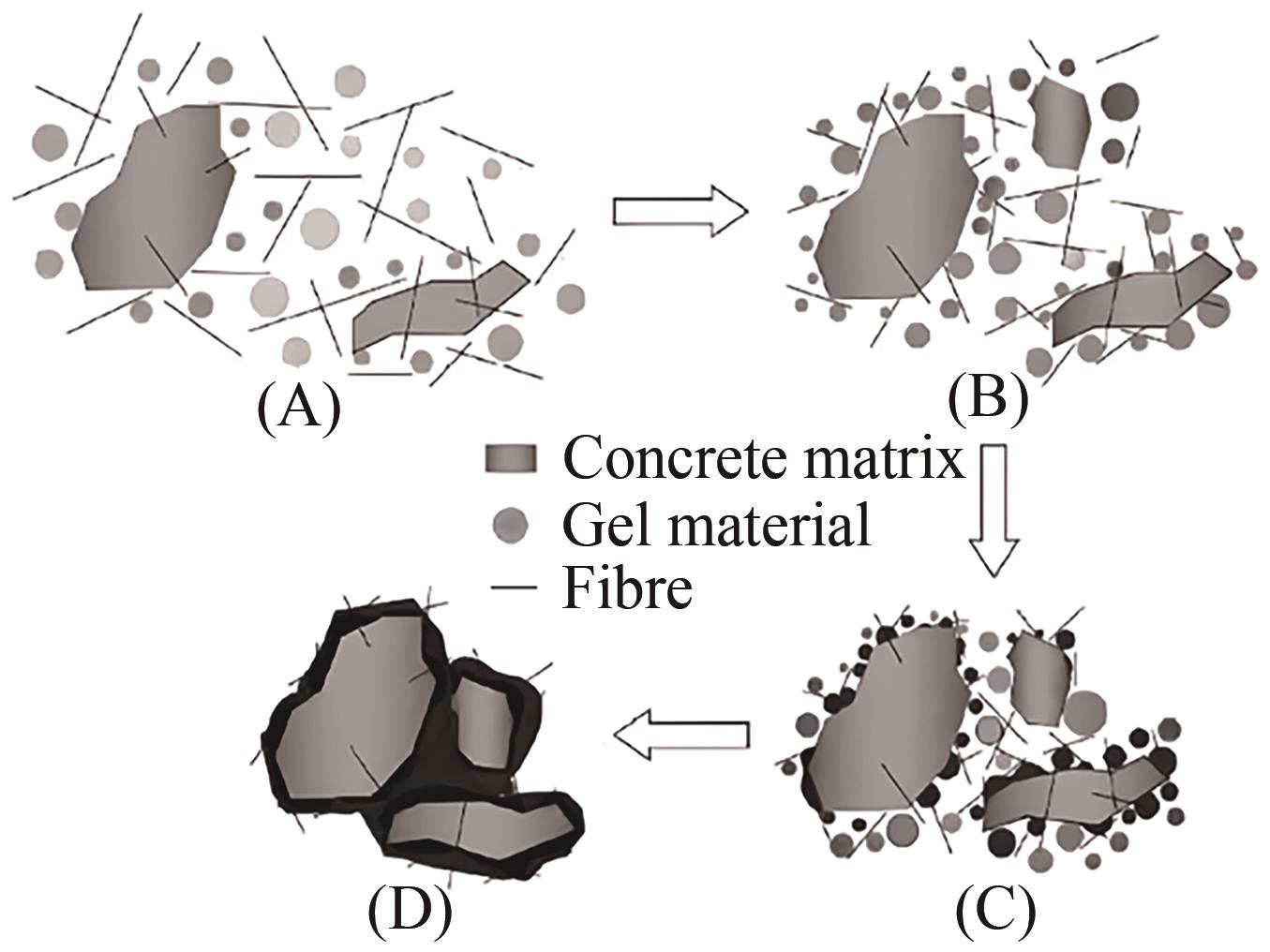
Fig.1 Schematic diagram of the interaction between fibers and matrix
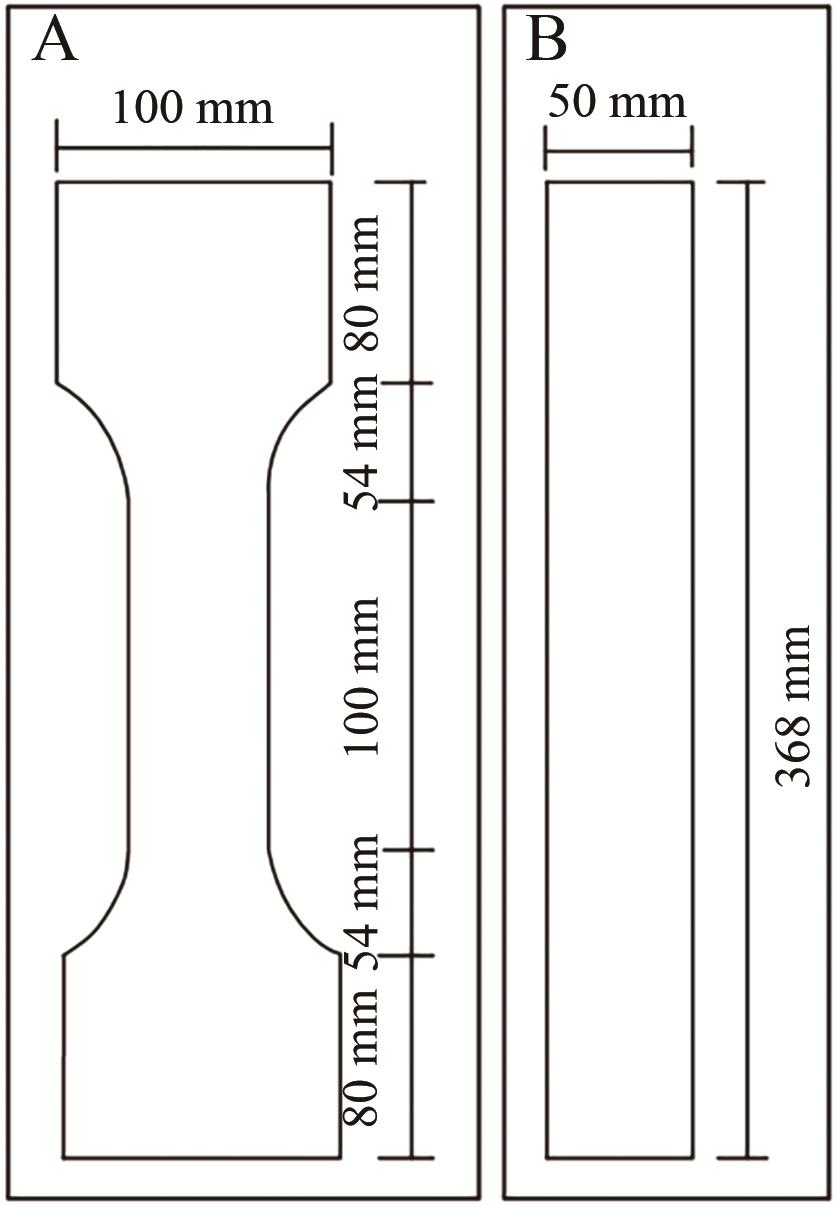
Fig.2 Structure and dimensions of the front (A) and side (B) of the sample
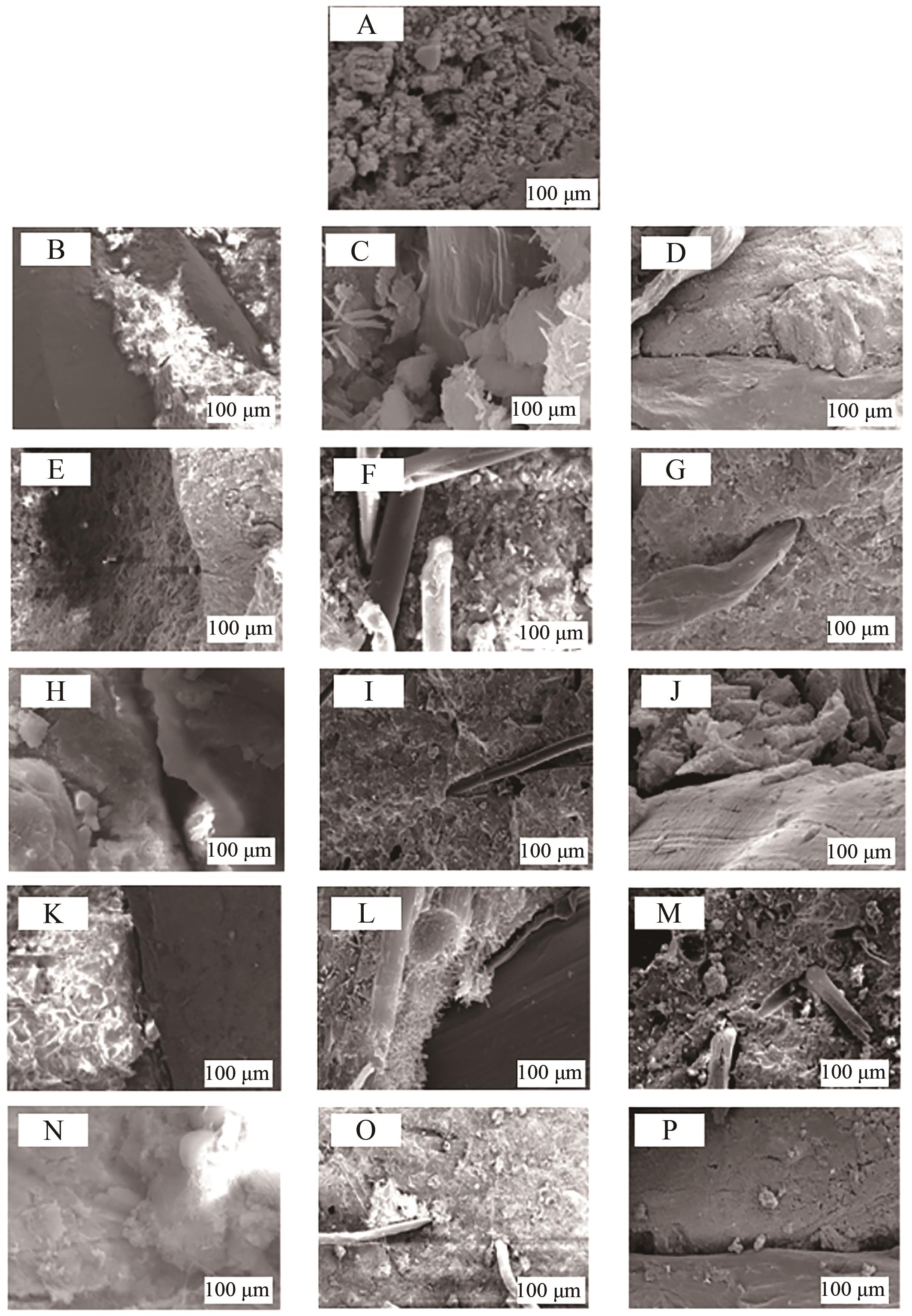
Fig.3 SEM characterization of different types of fiber modified concrete samples, appearance and structural characterization
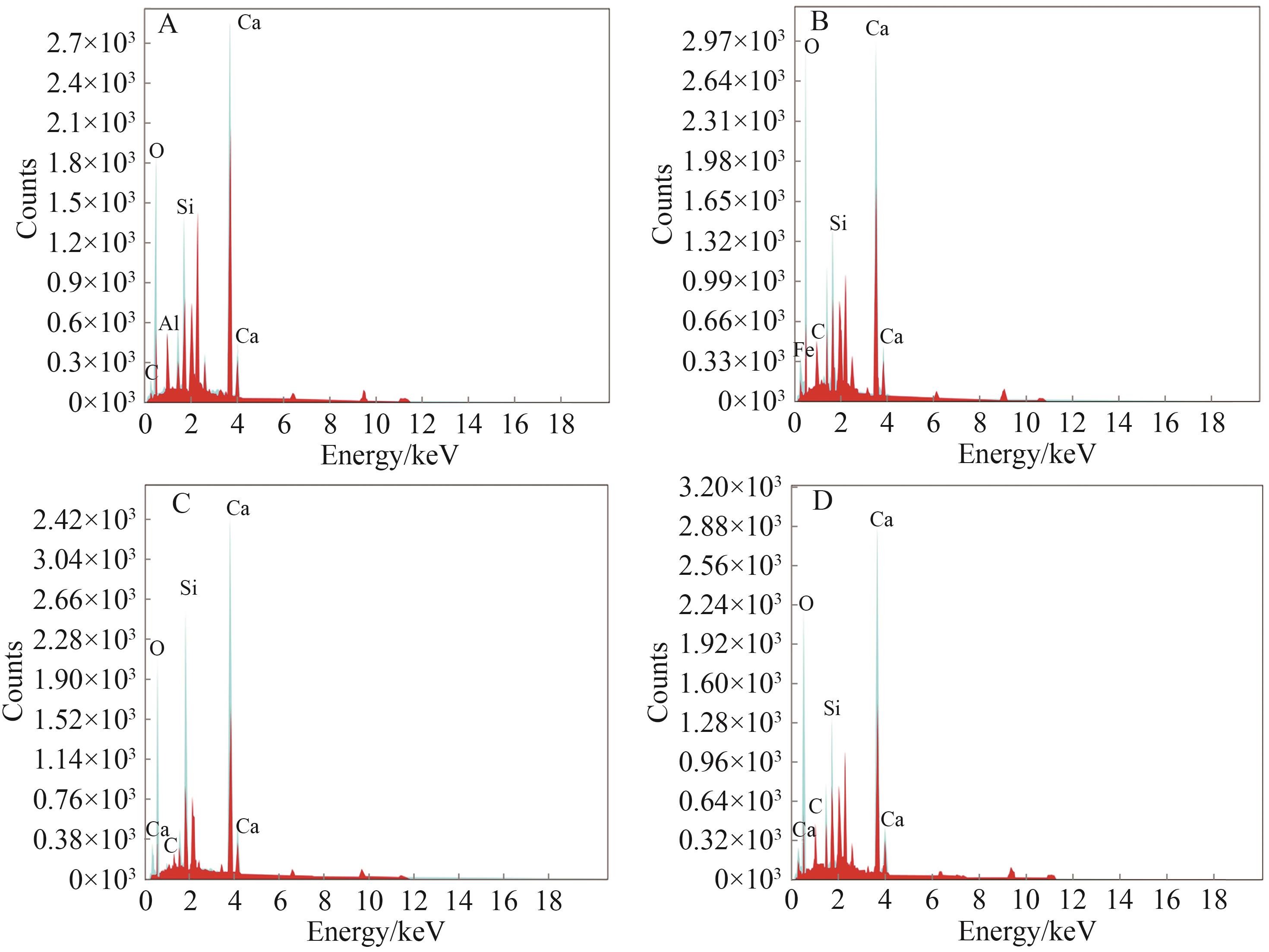
Fig.4 EDS characterization of different types of fiber modified concrete samples
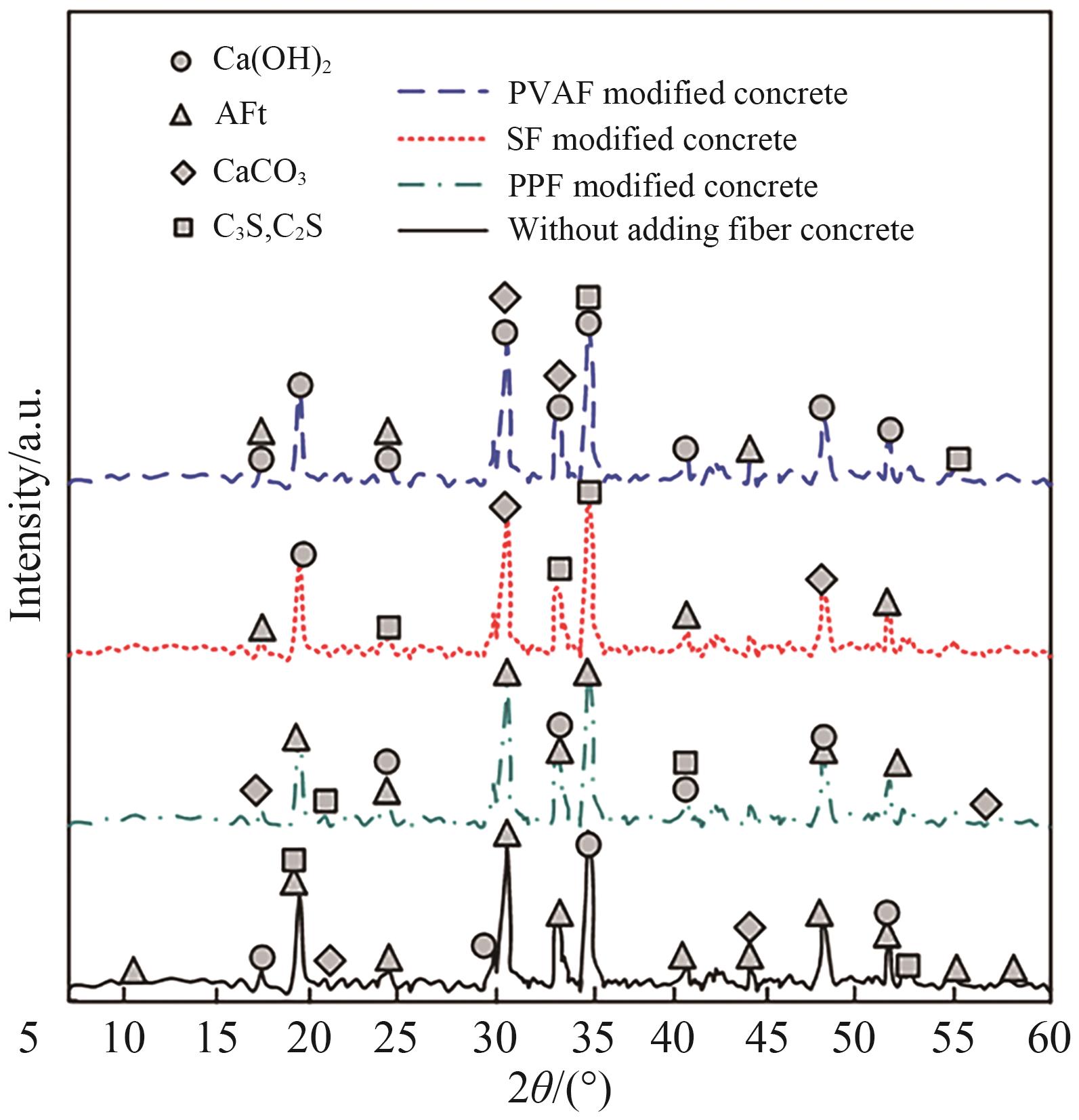
Fig.5 XRD characterization of different types of fiber modified concrete samples
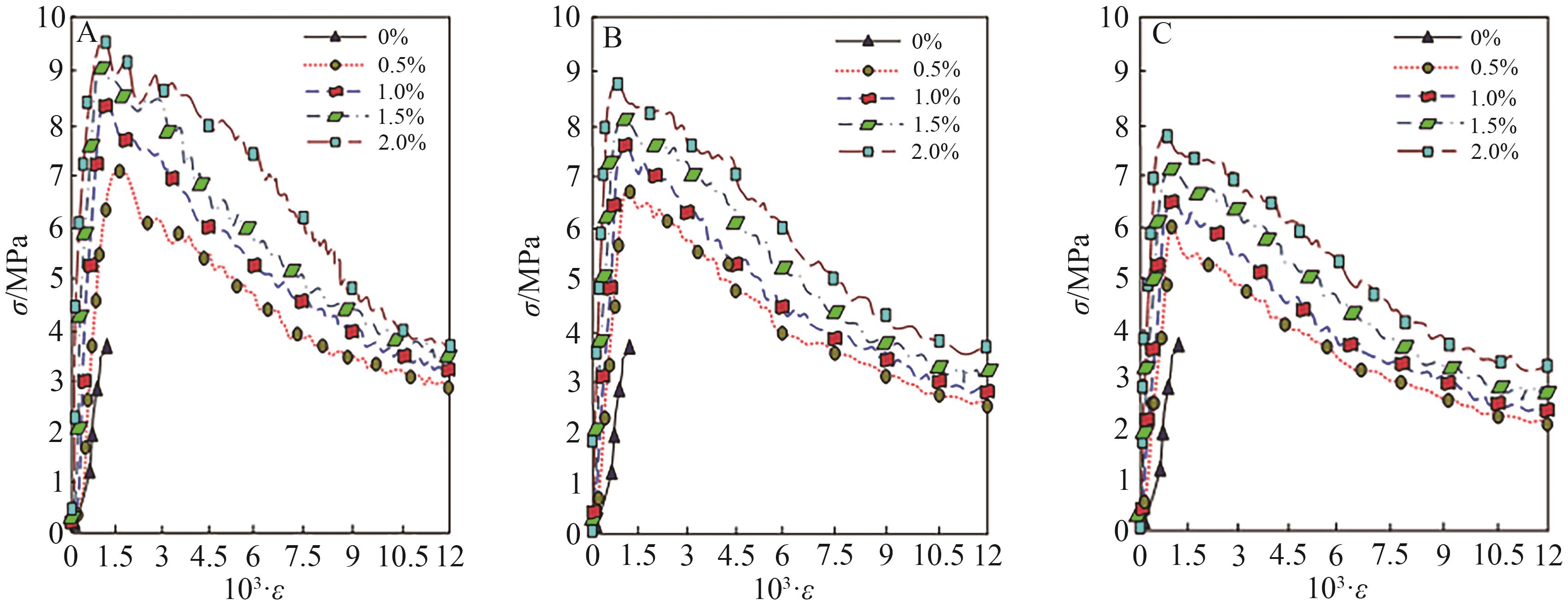
Fig.6 Characterization of stress-strain curves of concrete samples with different fiber content

Fig.7 Characterization of initial crack strength of concrete samples with different fiber content
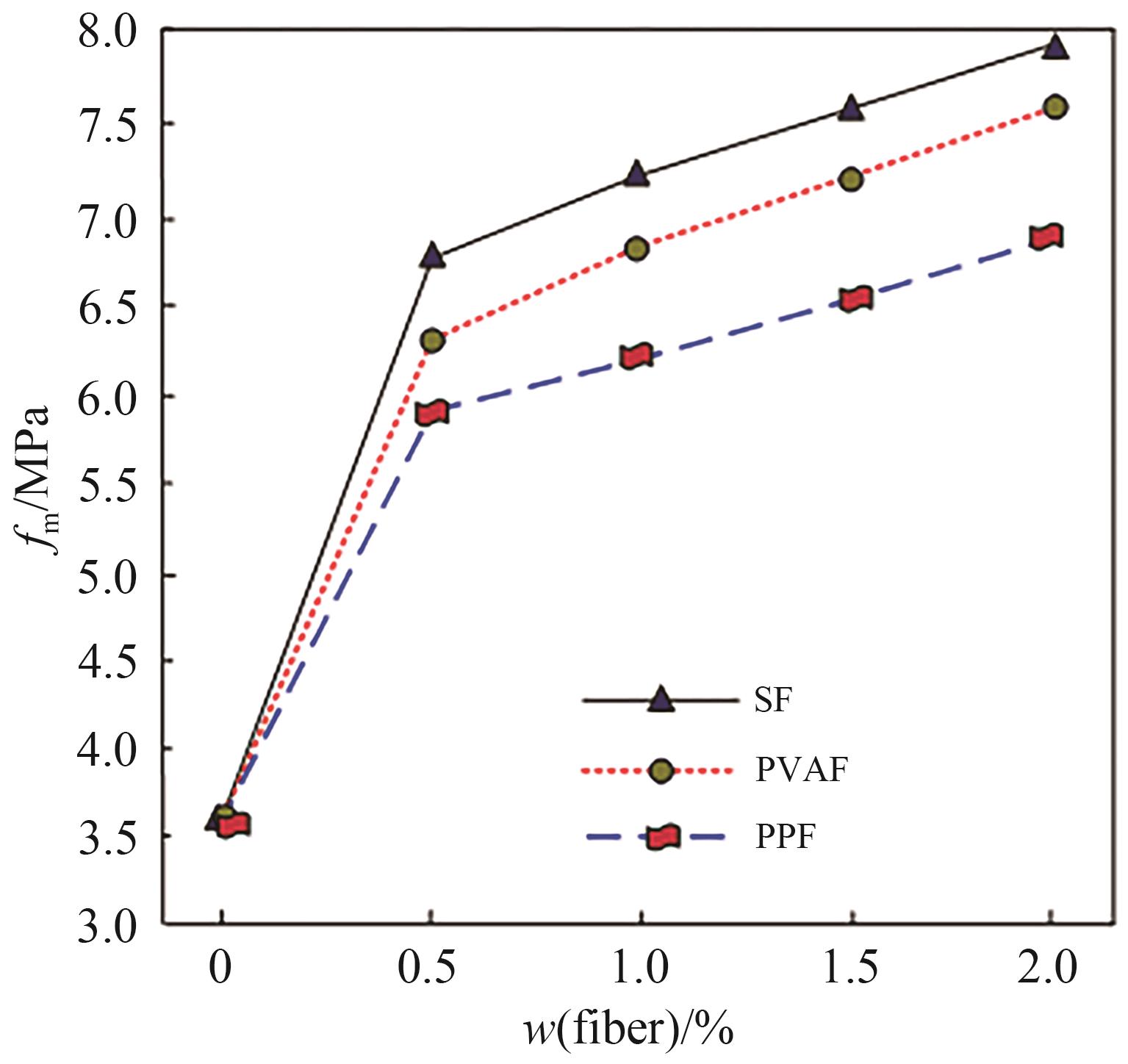
Fig.8 Characterization of post cracking strength of concrete samples with different fiber content
| w(fiber)/% | Incorporating different fibers for tensile strength/MPa | ||
|---|---|---|---|
| SF | PVAF | PPF | |
| 0 | 3.82 | 3.82 | 3.82 |
| 0.50 | 7.13 | 6.72 | 6.03 |
| 1.00 | 8.42 | 7.65 | 6.54 |
| 1.50 | 9.01 | 8.22 | 7.24 |
| 2.00 | 9.63 | 8.81 | 7.82 |
Table 1 Tensile strength results of concrete samples with different fiber contents
| w(fiber)/% | Incorporating different fibers for tensile strength/MPa | ||
|---|---|---|---|
| SF | PVAF | PPF | |
| 0 | 3.82 | 3.82 | 3.82 |
| 0.50 | 7.13 | 6.72 | 6.03 |
| 1.00 | 8.42 | 7.65 | 6.54 |
| 1.50 | 9.01 | 8.22 | 7.24 |
| 2.00 | 9.63 | 8.81 | 7.82 |
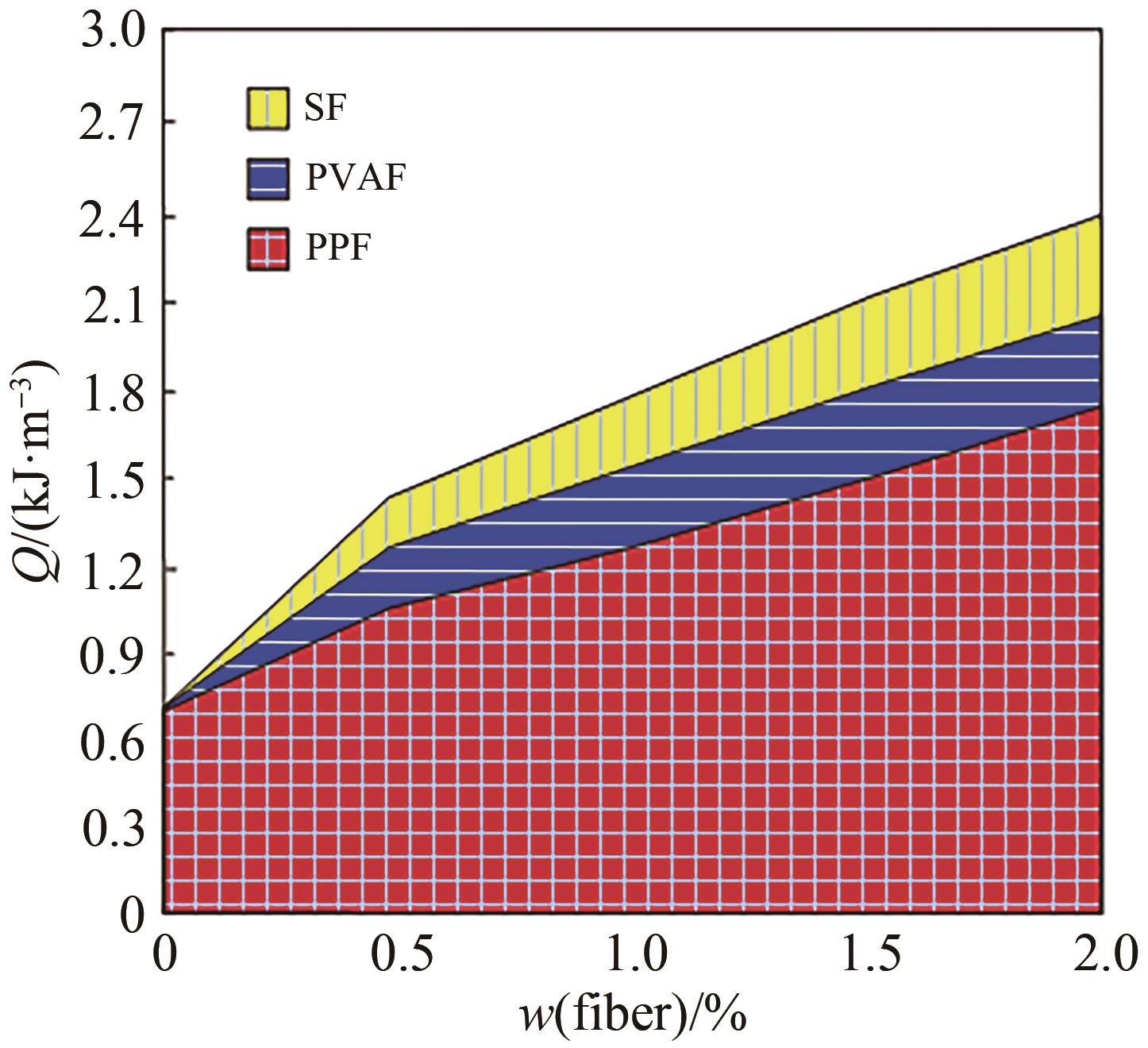
Fig.9 Characterization of energy absorption capacity per unit volume of concrete samples with different fiber contents
| [1] | 王雄锋, 陈波, 张晓闯, 等. 维混掺超高性能混凝土抗冲磨与拉伸性能研究[J]. 水利学报, 2023, 54(10): 1248-1256. |
| WANG X F, CHEN B, ZHANG X C, et al. Study on the tensile property and abrasion resistance of hybrid fiber reinforced ultra-high performance concrete[J]. J Hydraulic Eng, 2023, 54(10): 1248-1256. | |
| [2] | 赵紫良, 王志军, 徐永杰, 等. 聚能装药侵彻混凝土裂纹扩展数值模拟分析[J]. 兵器材料科学与工程, 2022, 45(6): 112-118. |
| ZHAO Z L, WANG Z J, XU Y J, et al. Numerical simulation analysis of concrete crack propagation under shaped charge penetration[J]. Ordnance Mater Sci Eng, 2022, 45(6): 112-118. | |
| [3] | 罗贤志, 张素梅, 李爱东, 等. 钢纤维掺量和配筋率对UHPC轴拉性能和开裂行为的影响[J]. 建筑结构学报, 2024, 45(9): 13-28. |
| LUO X Z, ZHANG S M, LI A D, et al. Effect of steel fiber content and reinforcement ratio on tensile properties and cracking behavior of UHPC[J]. J Building Struct, 2024, 45(9): 13-28. | |
| [4] | 姚智高, 林常, 蔡舒, 等. 粉煤灰对PVA纤维/水泥基体界面作用及复合材料拉伸性能的影响[J]. 硅酸盐通报, 2022, 41(7): 2327-2336. |
| YAO Z G, LIN C, CAI S, et al. Effect of fly ash on PVA fiber/cementitious matrix interfacial interactions and tensile properties of composites[J]. Bull Chin Ceramic Soc, 2022, 41(7): 2327-2336. | |
| [5] | 王栋, 方俊华, 李忠洪. 再生粗骨料中不同聚丙烯纤维体积掺量对再生混凝土力学性能的影响[J]. 塑料科技, 2023, 51(6): 33-36. |
| WANG D, FANG J H, LI Z H. Effect of different polypropylene fiber volume content in recycled coarse aggregate on mechanical properties of recycled concrete[J]. Plastics Sci Technol, 2023, 51(6): 33-36. | |
| [6] | 管俊峰, 鲁猛, 王昊, 等. 同时确定钢纤维高强混凝土的断裂韧度及拉伸强度[J]. 工程力学, 2023, 40(3): 65-77. |
| GUAN J F, LU M, WANG H, et al. Simultaneously determining fracture toughness and tensile strength of steel fiber high-strength concrete[J]. Eng Mechanics, 2023, 40(3): 65-77. | |
| [7] | ZHOU L, HAERI H, SARFARAZI V, et al. Experimental and numerical investigation on the thickness effect of concrete specimens in a new tensile testing apparatus[J]. Comput Concr, 2023, 31(1): 71-84. |
| [8] | 杨文, 谢昱昊, 毕耀, 等. 钢纤维掺量及种类对超高性能混凝土拉伸应力应变的影响[J]. 混凝土, 2022(5): 37-42, 47. |
| YANG W, XIE Y H, BI Y, et al. Influence of steel fiber volume content and types on tensile stress-strain of ultra-high performance concrete[J]. Concrete, 2022(5): 37-42, 47. | |
| [9] | 韩方玉, 吉旭平, 刘加平, 等. 高温对不同钢纤维掺量超高性能混凝土性能及钢纤维拔出机制的影响[J]. 硅酸盐学报, 2024, 52(11): 3565-3571. |
| HAN F Y, JI X P, LIU J P, et al. Mechanical properties and pull-out behavior of steel fibers of ultra-high performance concrete exposed to high temperature[J]. J Chin Ceramic Soc, 2024, 52(11): 3565-3571. | |
| [10] | 周亚菲, 胡红倩, 李志军, 等. 矿用纤维增强沙漠砂混凝土拉伸力学性能实验研究[J]. 中国矿业, 2024, 33(6): 218-226. |
| ZHOU Y F, HU H Q, LI Z J, et al. Experimental study on tensile mechanical properties of mine fiber reinforced desert sand concrete[J]. China Min Mag, 2024, 33(6): 218-226. | |
| [11] | 董静, 齐雨军, 刘云贺, 等. 再生骨料水工沥青混凝土拉伸性能实验研究[J]. 水力发电学报, 2023, 42(4): 70-80. |
| DONG J, QI Y J, LIU Y H, et al. Experimental study on tensile performance of recycled aggregate hydraulic asphalt concrete[J]. J Hydroelectric Eng, 2023, 42(4): 70-80. | |
| [12] | 唐永鑫, 聂立武. 环氧树脂掺量对发光树脂透水混凝土性能的影响[J]. 应用化学, 2022, 39(11): 1665-1671. |
| TANG Y X, NIE L W. Effect of epoxy resin content on the performance of luminous resin permeable concrete[J]. Chin J Appl Chem, 2022, 39(11): 1665-1671. | |
| [13] | 邓明科, 韦鼎, 张伟, 等. 玄武岩纤维织物高延性混凝土拉伸性能[J]. 湖南大学学报(自然科学版), 2023, 50(9): 97-108. |
| DENG M K, WEI D, ZHANG W, et al. Tensile mechanical properties of basalt textile reinforced highly ductile concrete[J]. J Hunan Univ (Nat Sci Ed), 2023, 50(9): 97-108. | |
| [14] | 尚君, 崔祎菲, 黄巍林. 高地温环境条件下超细粉掺量对隧道衬砌混凝土抗压及抗渗性能的影响[J]. 应用化学, 2024, 41(9): 1342-1349. |
| SHANG J, CUI Y F, HUANG W L. Influence of ultrafine powder content on compressive and impermeability of tunnel lining concrete under high ground temperature environment[J]. Chin J Appl Chem, 2024, 41(9): 1342-1349. | |
| [15] | 赵亚婉, 张鸿儒, 张宝明, 等. 硅藻土改性再生骨料混凝土的抗离子侵蚀性能[J]. 混凝土, 2024(7): 141-148. |
| ZHAO Y W, ZHANG H R, ZHANG B M, et al. Resistance of recycled aggregate concrete to ion ingress by using diatomaceous earth[J]. Concrete, 2024(7): 141-148. | |
| [16] | 马超, 赖兆平. 纤维对水泥-乳化沥青混合料性能的影响研究[J]. 公路工程, 2022, 47(6): 166-171, 179. |
| MA C, LAI Z P. Study on the influence of fiber on the performance of cement emulsified asphalt mixture[J]. Highway Eng, 2022, 47(6): 166-171, 179. | |
| [17] | 李柯璇, 毛金旺, 刘铁军, 等. 海洋环境下钢纤维-超高性能混凝土界面粘结性能劣化机理[J]. 硅酸盐学报, 2024, 52(11): 3418-3430. |
| LI K X, MAO J W, LIU T J, et al. Interfacial bonding deterioration mechanism of steel fiber-ultra high performance concrete in marine environment[J]. J Chin Ceram Soc, 2024, 52(11): 3418-3430. | |
| [18] | 李新星, 周泉, 李水生. 钢纤维类型和掺量对高性能混凝土力学性能的影响[J]. 混凝土, 2024(12): 145-152. |
| LI X X, ZHOU Q, LI S S. Effect of steel fiber types and content on mechanical properties of high performance concrete[J]. Concrete, 2024(12): 145-152. | |
| [19] | 银鹏, 马宏鹏, 郭斌, 等. 聚乳酸纤维/聚乙烯醇纤维协同增强热塑性淀粉复合材料[J]. 中国塑料, 2021, 35(12): 16-20. |
| YIN P, MA H P, GUO B, et al. Thermoplastic starch composites reinforced synergistically with PLA fiber and PVA fiber[J]. China Plast, 2021, 35(12): 16-20. | |
| [20] | 刘川北, 高建明, 孟礼元, 等. 聚合物和纤维对石膏基材料早期水化与浆体微结构的影响[J]. 材料导报, 2022, 36(8): 215-219. |
| LIU C B, GAO J M, MENG L Y, et al. Influence of polymers and fibers on early hydration and microstructure of gypsum-based materials[J]. Mater Rep, 2022, 36(8): 215-219. | |
| [21] | 纪怀旺, 李增亮. 基于内聚力模型的纤维复合材料细观损伤模拟[J]. 计算机仿真, 2023, 40(2): 309-313. |
| JI H W, LI Z L. Simulation of microscopic damage of fiber composite material based on cohesive zone model[J]. Computer Simulation, 2023, 40(2): 309-313. | |
| [22] | 刘胜兵, 梅浩华, 黄依莹, 等. 玄武岩-聚丙烯混杂纤维轻骨料混凝土强度研究[J]. 武汉大学学报(工学版), 2024, 57(12): 1725-1732. |
| LIU S B, MEI H H, HUANG Y Y, et al. Strength study of basalt-polypropylene hybrid fiber lightweight aggregate concrete[J]. Eng J Wuhan Univ (Eng Ed), 2024, 57(12): 1725-1732. |
| [1] | Xiao-Long LAI, Zhi-Yun ZOU, Feng-Xiang XIE, Wen-E LI. Analysis of the Influence of Polypropylene Fiber on the Performance of Modified Asphalt Concrete [J]. Chinese Journal of Applied Chemistry, 2025, 42(7): 962-970. |
| [2] | Jun SHANG, Yi-Fei CUI, Wei-Lin HUANG. Influence of Ultrafine Powder Content on Compressive and Impermeability of Tunnel Lining Concrete under High Ground Temperature Environment [J]. Chinese Journal of Applied Chemistry, 2024, 41(9): 1342-1349. |
| [3] | Li LIU, Yan-Ying LI. Research on the Influence of Surface Pollutant Cleaning Agents on the Performance of High-Altitude Large Volume Concrete [J]. Chinese Journal of Applied Chemistry, 2024, 41(11): 1585-1595. |
| [4] | Yong-Xin TANG, Li-Wu NIE. Effect of Epoxy Resin Content on the Performance of Luminous Resin Permeable Concrete [J]. Chinese Journal of Applied Chemistry, 2022, 39(11): 1665-1671. |
| [5] | GUO Jian1, ZHANG Yuchuan1*, WU Bing2. Preparation of Polyurethane/nanosilica Composites via in situ Polymerization [J]. Chinese Journal of Applied Chemistry, 2011, 28(11): 1244-1249. |
| [6] | YAO Ying-Ying, ZHANG Jiao-Qiang*, JI Tie-Zheng, KANG Xin-Mei, ZHANG Ying. Synthesis and Performances of Polyether Heretocycle Amide Bonding Agent [J]. Chinese Journal of Applied Chemistry, 2010, 27(09): 1004-1007. |
| [7] | CHE Quan-Tong, WANG Dong, HE Rong-Huan. Inorganic proton conductor SnP2O7 and its hybrid membranes [J]. Chinese Journal of Applied Chemistry, 2009, 26(09): 1015-1018. |
| Viewed | ||||||
|
Full text |
|
|||||
|
Abstract |
|
|||||
