
Chinese Journal of Applied Chemistry ›› 2025, Vol. 42 ›› Issue (10): 1323-1334.DOI: 10.19894/j.issn.1000-0518.250188
• Full Papers • Previous Articles Next Articles
Yu LI1,2, Jiao MU3, Du-Jin WANG1,2, Guo-Ming LIU1,2( )
)
Received:2025-05-08
Accepted:2025-08-05
Published:2025-10-01
Online:2025-10-29
Contact:
Guo-Ming LIU
About author:gmliu@iccas.ac.cnSupported by:CLC Number:
Yu LI, Jiao MU, Du-Jin WANG, Guo-Ming LIU. Probing the Glass Transition Temperature of Poly(vinyl butyral) Using Fluorescence Lifetime[J]. Chinese Journal of Applied Chemistry, 2025, 42(10): 1323-1334.
Add to citation manager EndNote|Ris|BibTeX
URL: http://yyhx.ciac.jl.cn/EN/10.19894/j.issn.1000-0518.250188
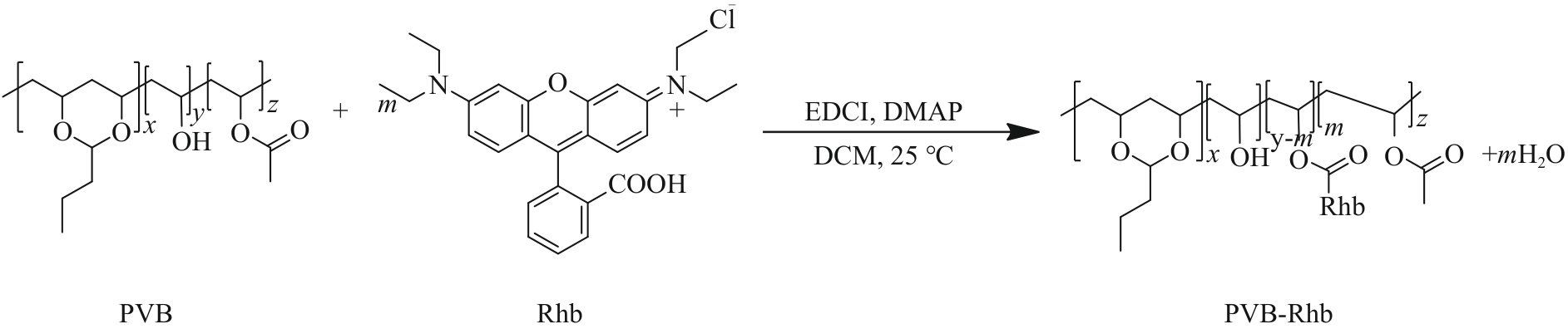
Fig.1 Synthesis route for PVB-Rhb
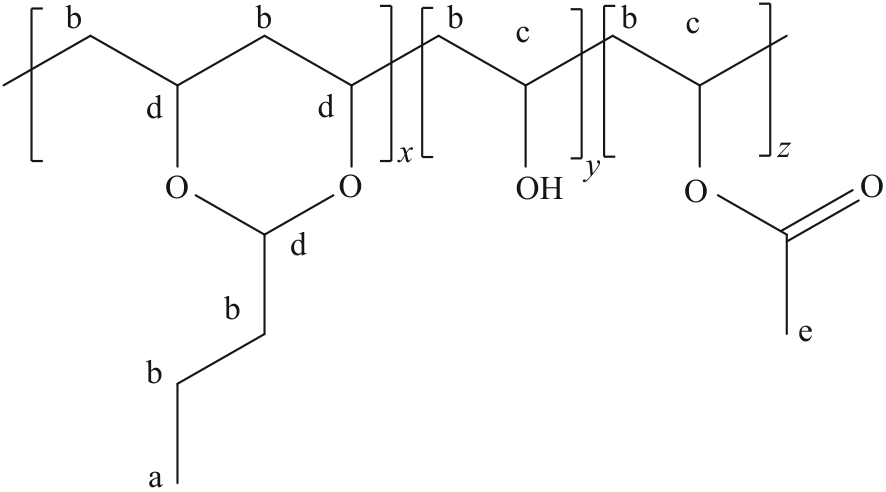
Fig.2 The molecular formula of PVB
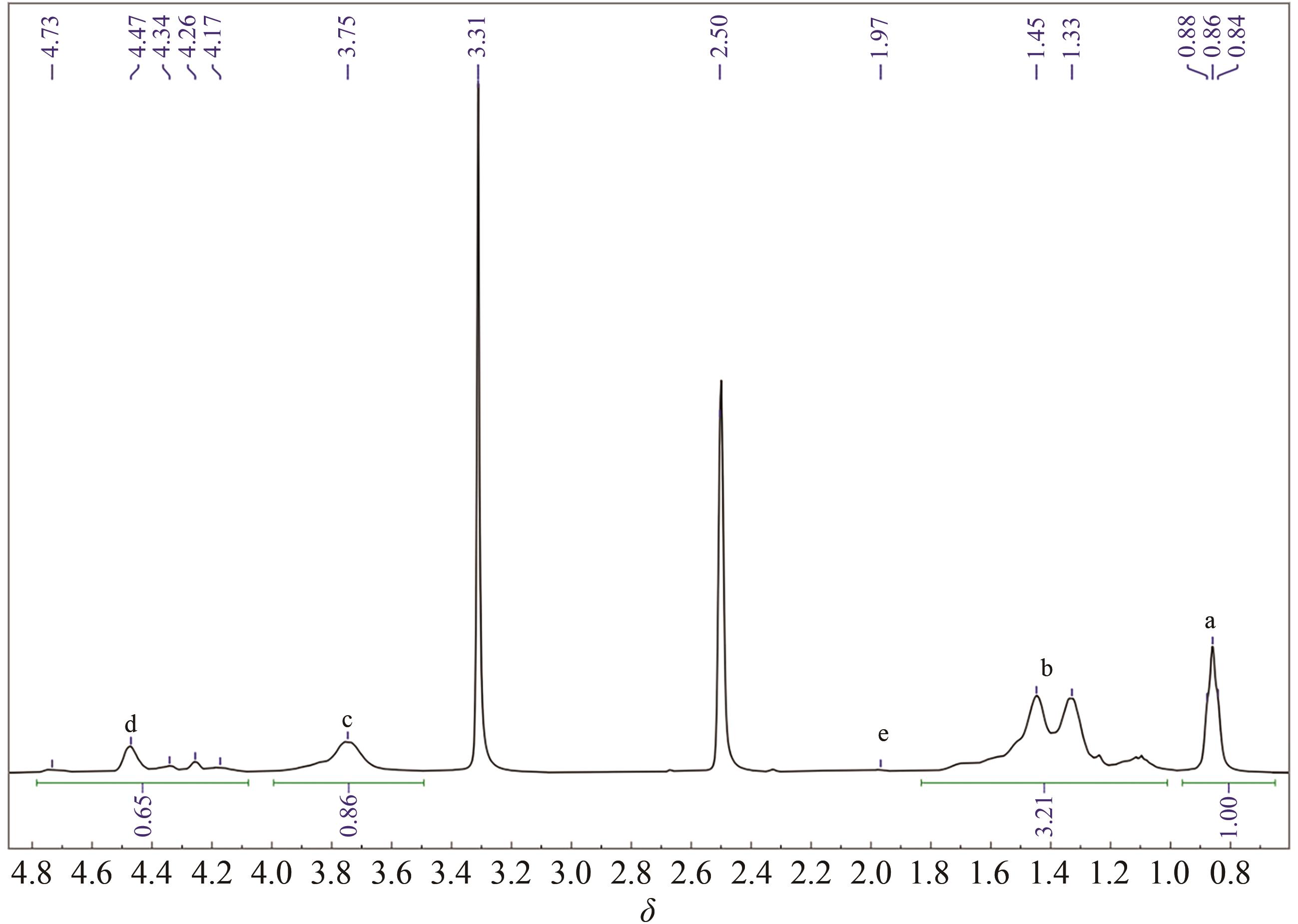
Fig.3 1H NMR spectrum of PVB in DMSO-d6
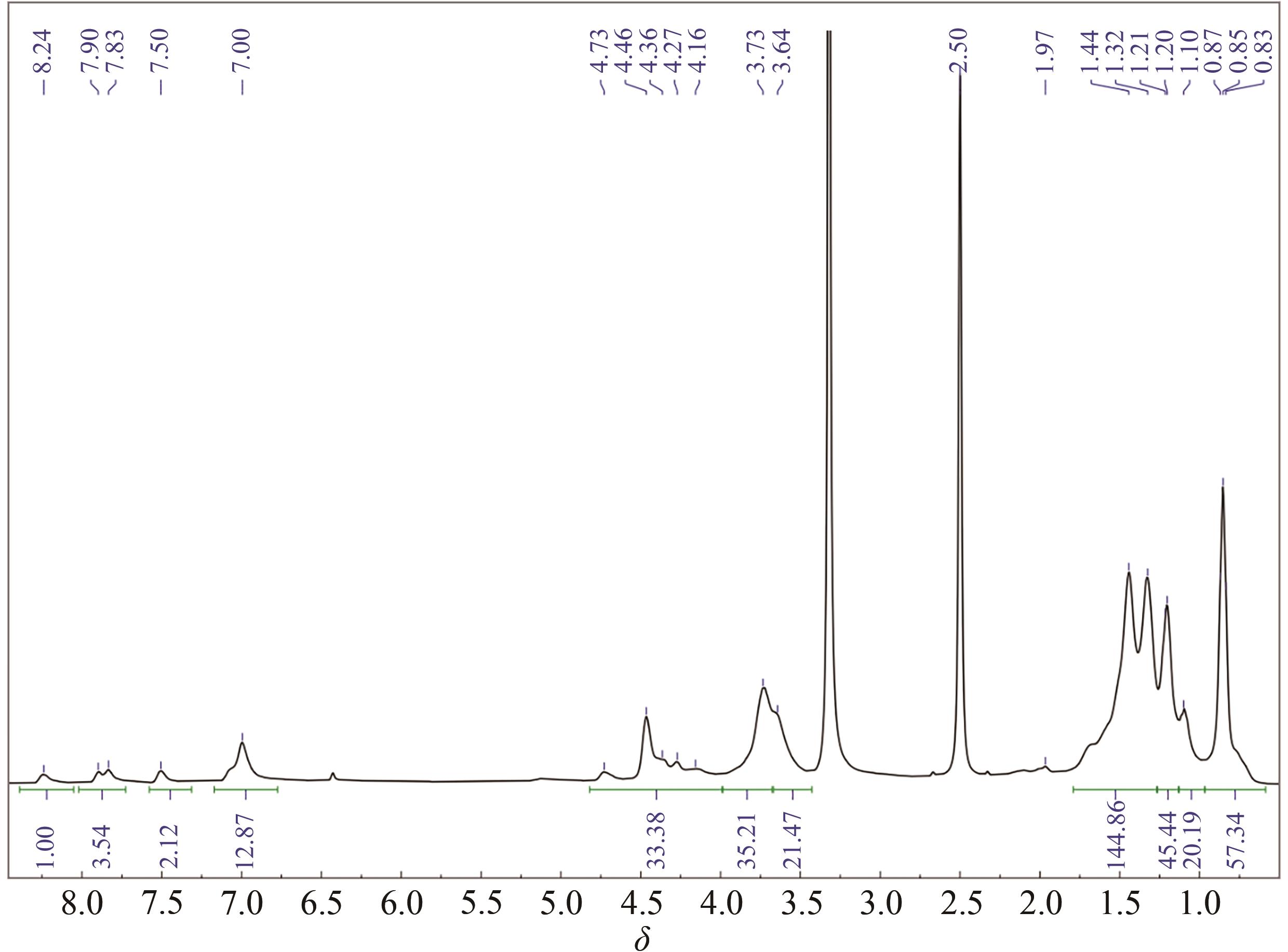
Fig.4 1H NMR spectrum of PVB-Rhb in DMSO-d6
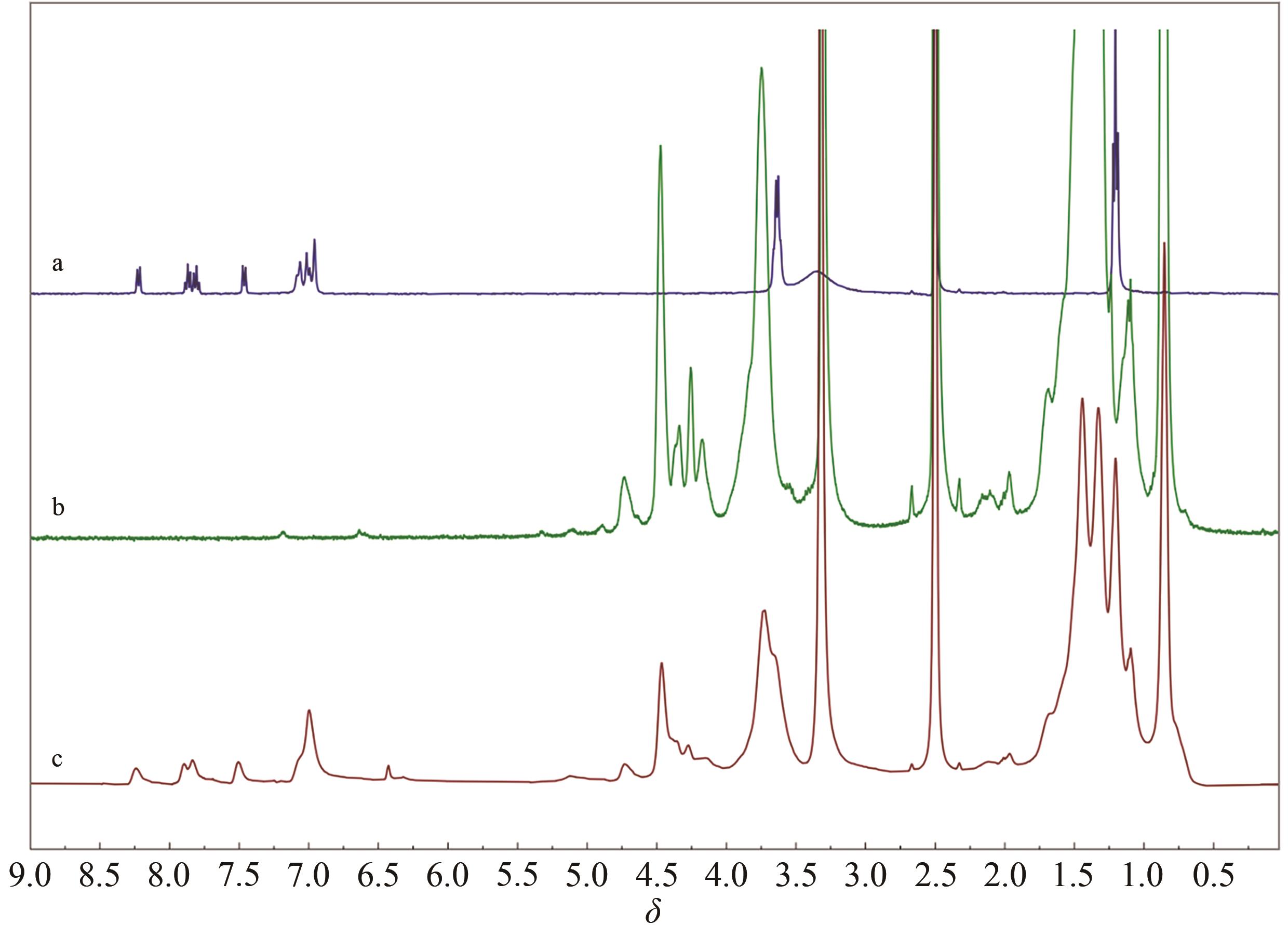
Fig.5 1H NMR spectrum of Rhb (a), PVB (b) and PVB-Rhb (c) in DMSO-d6
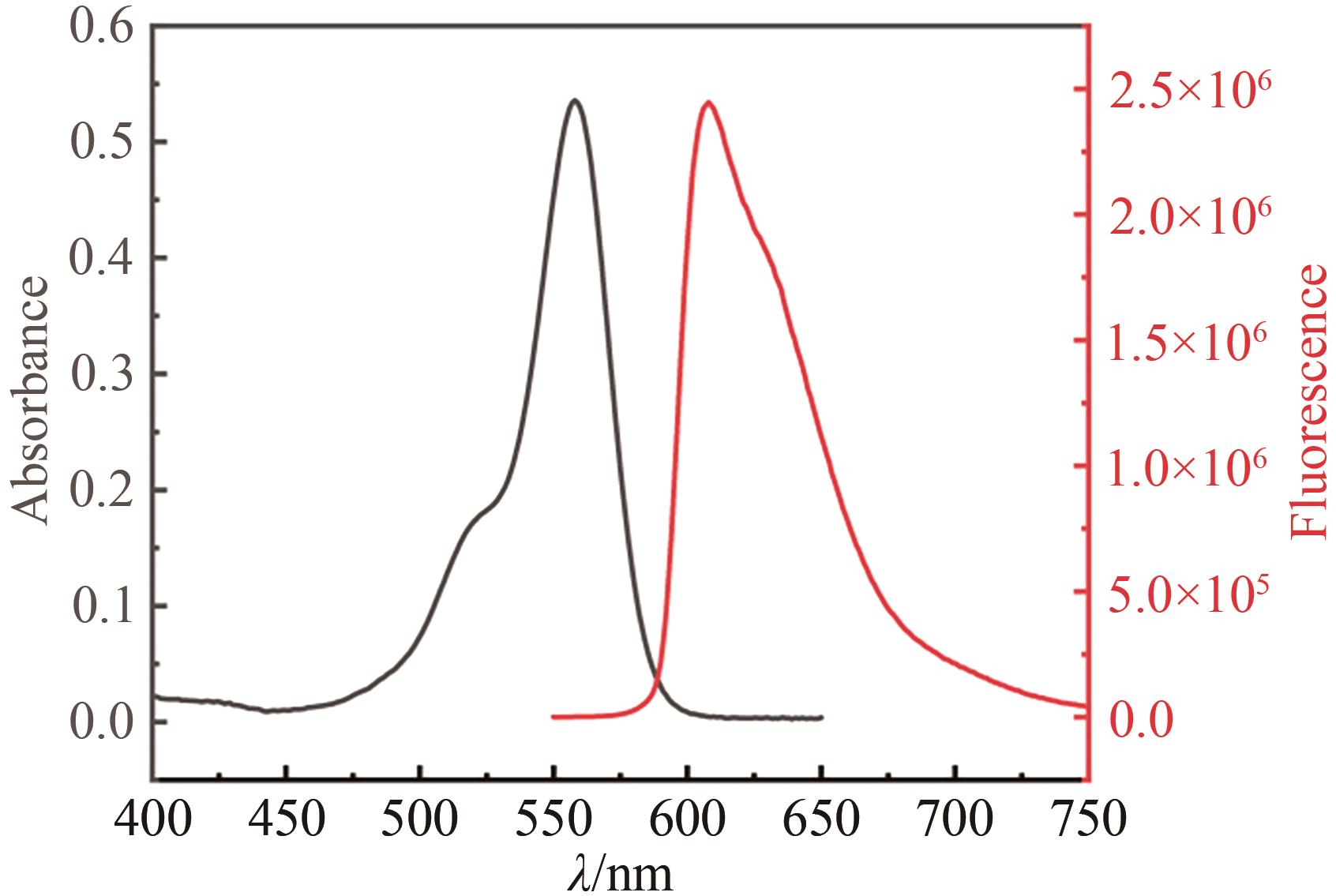
Fig.6 Ultraviolet absorption (UV) and fluorescence emission spectra (PL) of PVB-Rhb
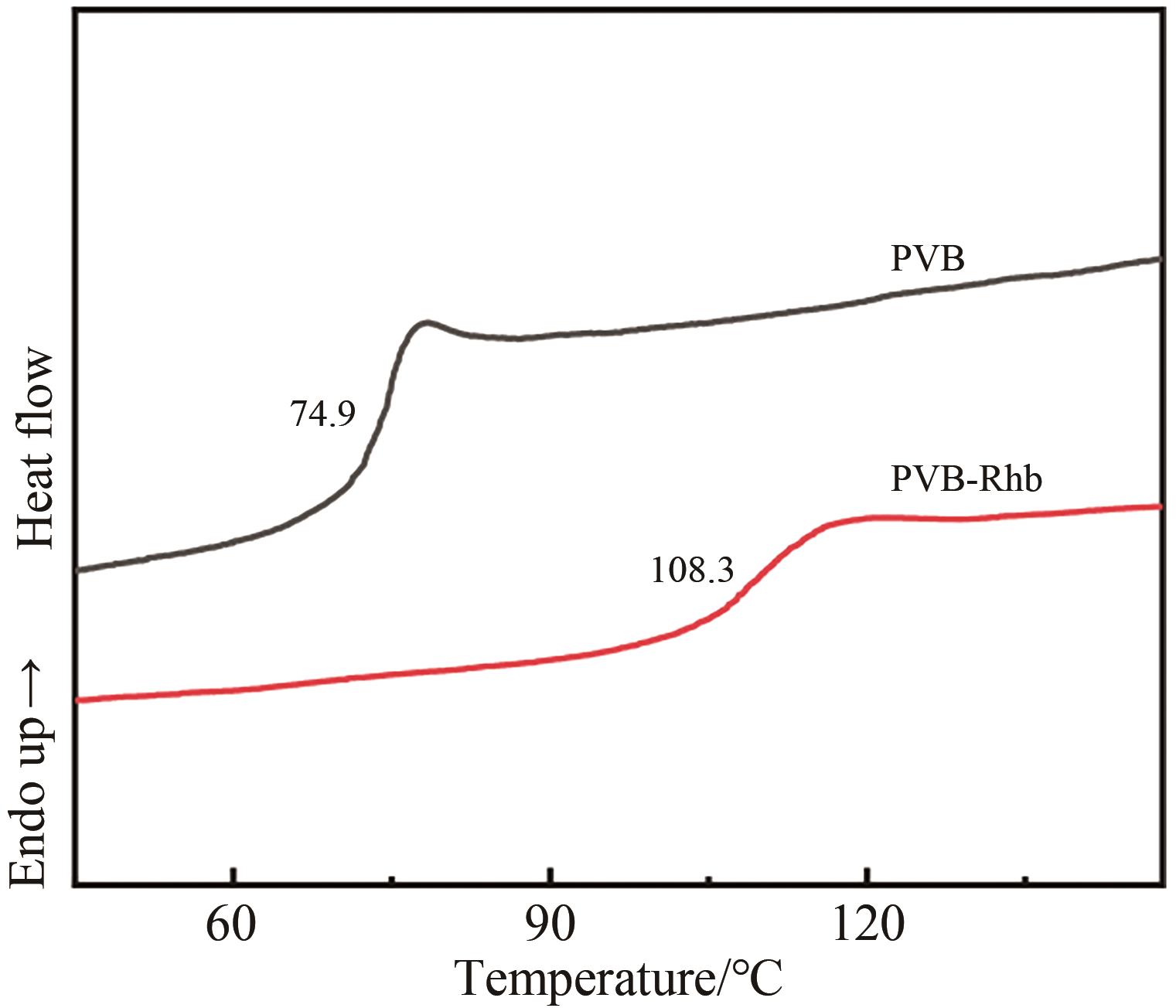
Fig.7 DSC curves of PVB and PVB-Rhb(endo up)
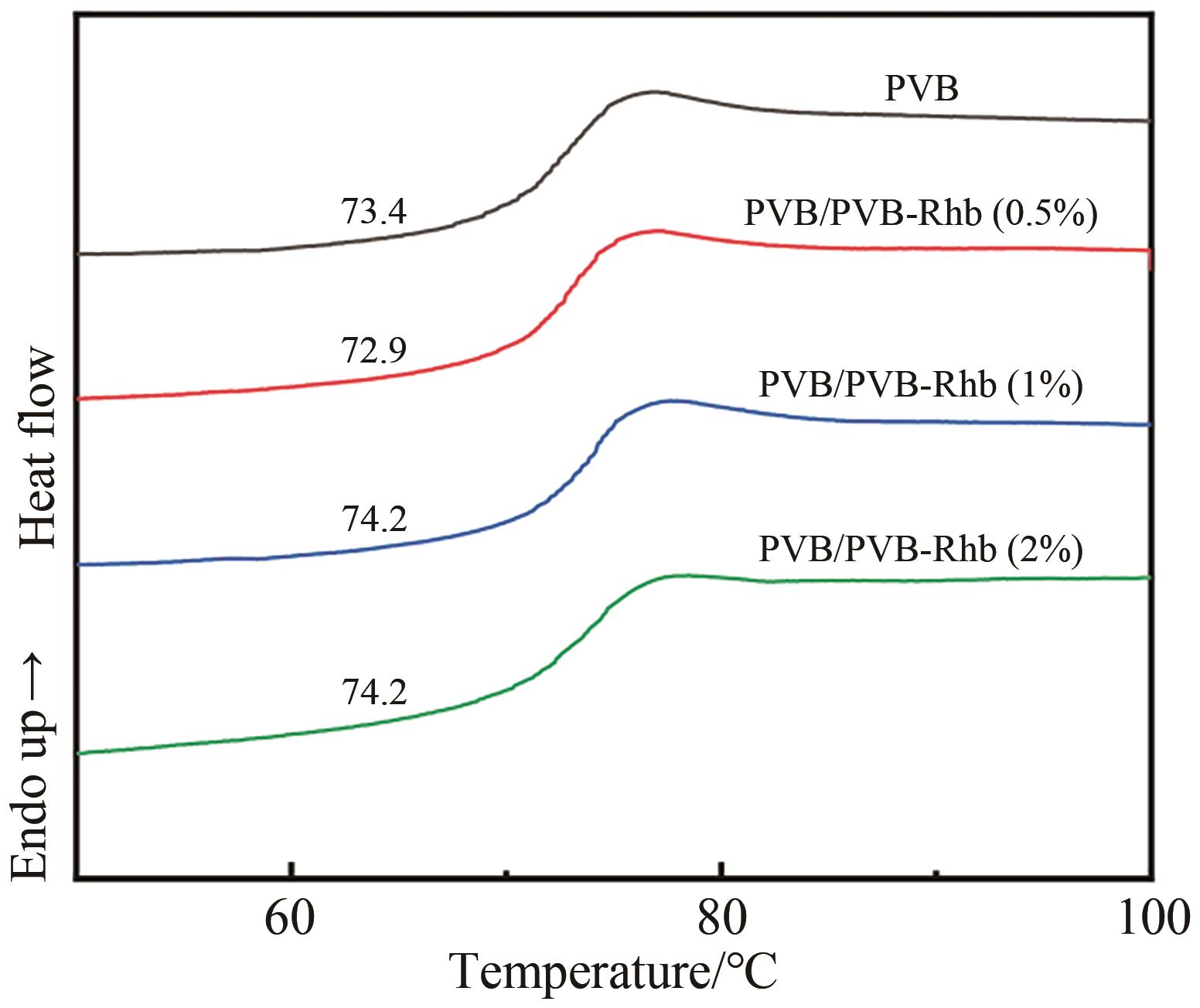
Fig.8 DSC curves of PVB films and PVB-Rhb films with different mass fractions of PVB-Rhb (endo up)
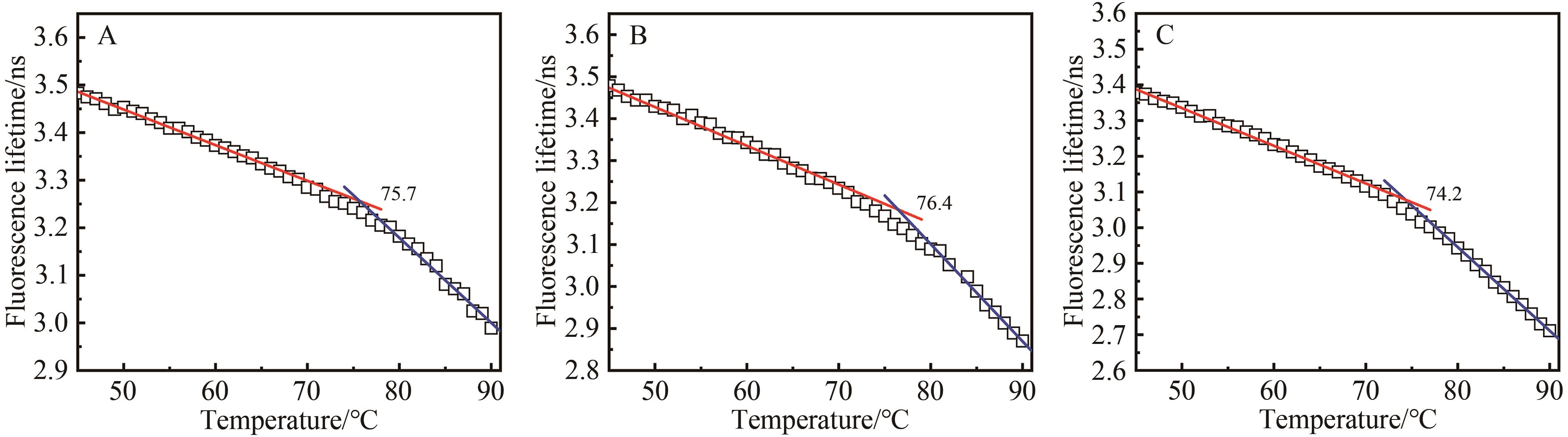
Fig.9 Temperature dependence of the fluorescence lifetime curves for different fluorescence contents
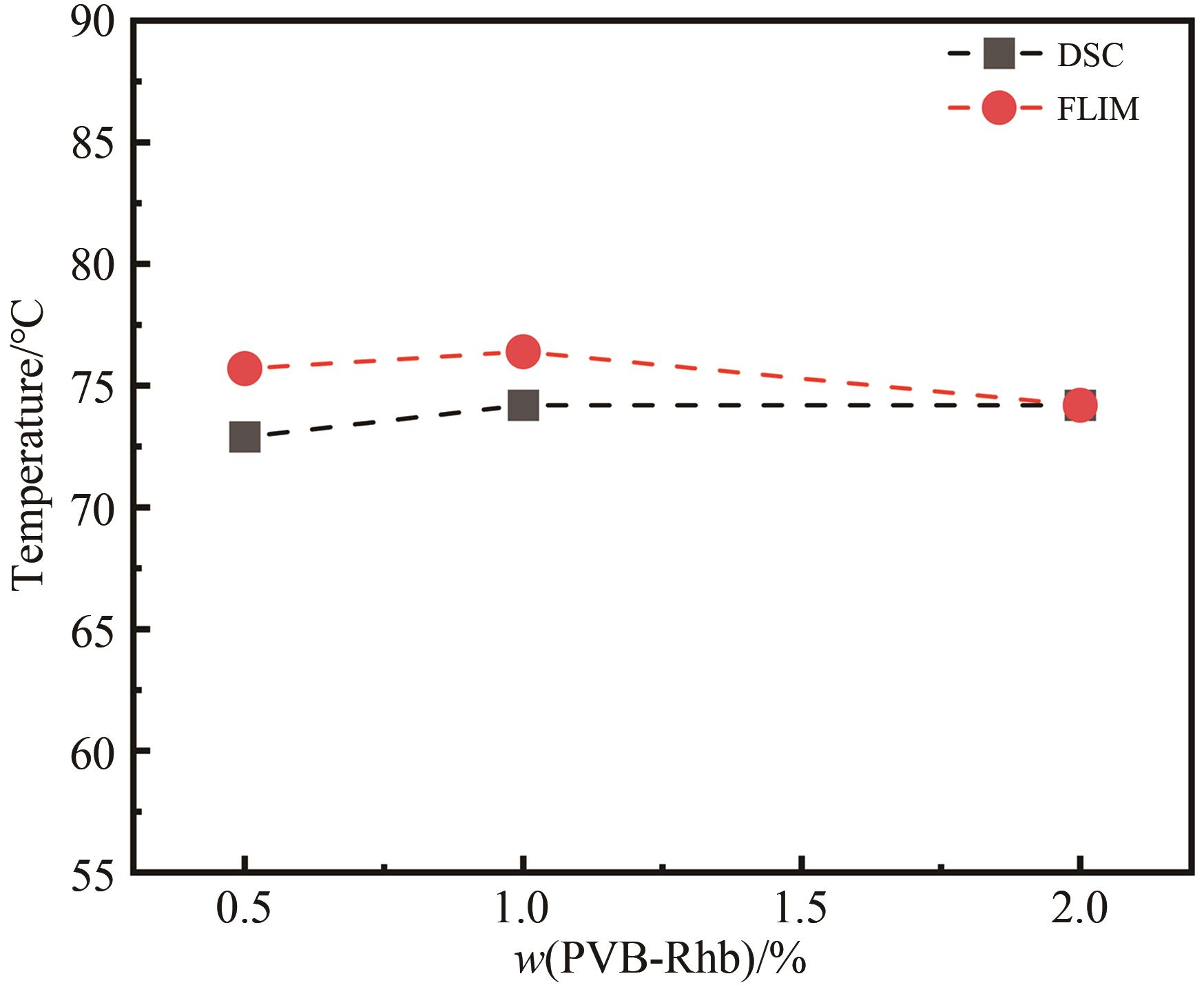
Fig.10 Comparison of DSC and FLIM experimental results
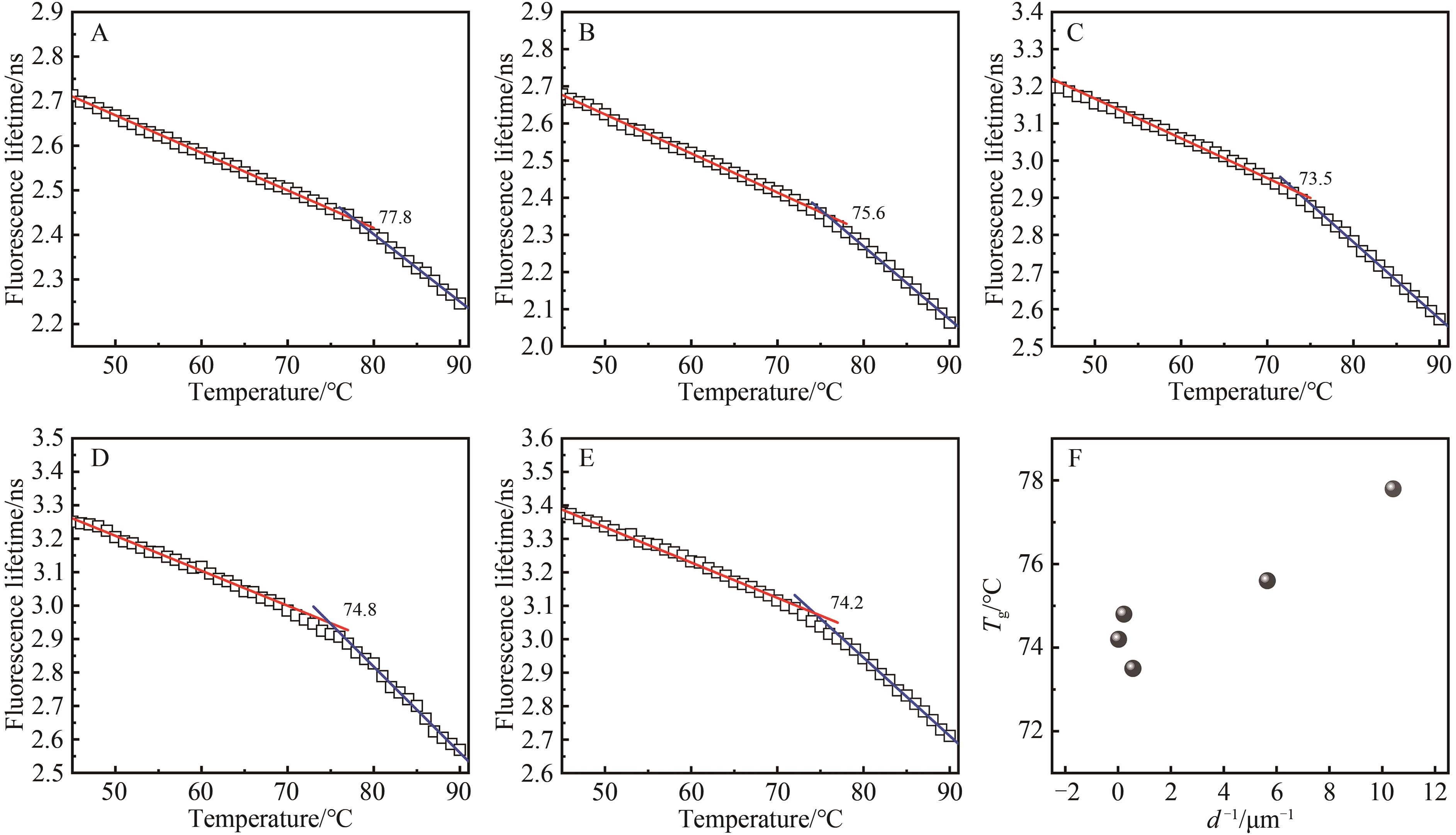
Fig.11 Temperature dependence of the fluorescence lifetime curves for PVB/PVB-Rhb(2%) films of different thicknesses
| [1] | BRIATICO-VANGOSA F, RINK M. Dilatometric behavior and glass transition in a styrene-acrylonitrile copolymer[J]. J Polym Sci B Polym Phys, 2005, 43(14): 1904-1913. |
| [2] | PIONTECK J. Determination of pressure dependence of polymer phase transitions by pVT analysis[J]. Polymers, 2018, 10(6): 578. |
| [3] | ZHENG Q J, ZHANG Y F, MONTAZERIAN M, et al. Understanding glass through differential scanning calorimetry[J]. Chem Rev, 2019, 119(13): 7848-7939. |
| [4] | ARANDIA I, MUGICA A, ZUBITUR M, et al. The complex amorphous phase in poly(butylene succinate-ran-butylene azelate) isodimorphic copolyesters[J]. Macromolecules, 2017, 50(4): 1569-1578. |
| [5] | CHEN H M, LIU G M, QIN Y P, et al. Structural transitions in solution-cast films of a new AABB type thiophene copolymer[J]. Macromolecules, 2016, 49(22): 8653-8660. |
| [6] | LUTKENHAUS J L, HRABAK K D, MCENNIS K, et al. Elastomeric flexible free-standing hydrogen-bonded nanoscale assemblies[J]. J Am Chem Soc, 2005, 127(49): 17228-17234. |
| [7] | CAO Z, ZHOU Q Z, JIE S Y, et al. High cis-1,4 hydroxyl-terminated polybutadiene-based polyurethanes with extremely low glass transition temperature and excellent mechanical properties[J]. Ind Eng Chem Res, 2016, 55(6): 1582-1589. |
| [8] | PIZZANELLI S, PREVOSTO D, LABARDI M, et al. Dynamics of poly(vinyl butyral) studied using dielectric spectroscopy and 1H NMR relaxometry[J]. Phys Chem Chem Phys, 2017, 19(47): 31804-31812. |
| [9] | KESSAIRI K, NAPOLITANO S, CAPACCIOLI S, et al. Molecular dynamics of atactic poly(propylene) investigated by broadband dielectric spectroscopy[J]. Macromolecules, 2007, 40(6): 1786-1788. |
| [10] | ELLISON C J, TORKELSON J M. Sensing the glass transition in thin and ultrathin polymer films via fluorescence probes and labels[J]. J Polym Sci B Polym Phys, 2002, 40(24): 2745-2758. |
| [11] | DEMAGGIO G B, FRIEZE W E, GIDLEY D W, et al. Interface and surface effects on the glass transition in thin polystyrene films[J]. Phys Rev Lett, 1997, 78(8): 1524-1527. |
| [12] | BÄUMCHEN O, MCGRAW J D, FORREST J A, et al. Reduced glass transition temperatures in thin polymer films: surface effect or artifact?[J]. Phys Rev Lett, 2012, 109(5): 055701. |
| [13] | MATTSSON J, FORREST J A, BÖRJESSON L. Quantifying glass transition behavior in ultrathin free-standing polymer films[J]. Phys Rev E, 2000, 62(4): 5187-5200. |
| [14] | FAKHRAAI Z, FORREST J A. Measuring the surface dynamics of glassy polymers[J]. Science, 2008, 319(5863): 600-604. |
| [15] | REITER G. Dewetting as a probe of polymer mobility in thin-films[J]. Macromolecules, 1994, 27(11): 3046-3052. |
| [16] | VIGNAUD G, CHEBIL M S, BAL J K, et al. Densification and depression in glass transition temperature in polystyrene thin films[J]. Langmuir, 2014, 30(39): 11599-11608. |
| [17] | GIERMANSKA J, BEN JABRALLAH S, DELORME N, et al. Direct experimental evidences of the density variation of ultrathin polymer films with thickness[J]. Polymer, 2021, 228: 123934. |
| [18] | KEDDIE J L, JONES R A L, CORY R A. Size-dependent depression of the glass-transition temperature in polymer-films[J]. Europhys Lett, 1994, 27(1): 59-64. |
| [19] | FUKAO K, MIYAMOTO Y. Glass transitions and dynamics in thin polymer films: dielectric relaxation of thin films of polystyrene[J]. Phys Rev E, 2000, 61(2): 1743-1754. |
| [20] | SAMBATH K, LIU X, WAN Z, et al. Potassium ion fluorescence probes: structures, properties and bioimaging[J]. ChemPhotoChem, 2020, 5(4): 317-325. |
| [21] | TANG Y, PEI F, LU X, et al. Recent advances on activatable NIR-Ⅱ fluorescence probes for biomedical imaging[J]. Adv Optical Mater, 2019, 7(21): 1900917. |
| [22] | ZHAO H, HU W B, FAN Q L. Two-photon fluorescence probe in bio-sensor[J]. Prog Chem, 2022, 34(4): 815-823. |
| [23] | 厉圆圆, 卢修联, 刘欣雨, 等. 具有红色荧光性质的掺硒碳点在生物传感和抗菌中的多功能应用[J]. 无机化学学报, 2024, 40(1): 173-181. |
| LI Y Y, LU X L, LIU X Y, et al. Selenium-doped carbon dots with red fluorescence properties have multi-functional applications in biosensing and antibacterial fields[J]. J Inorg Chem, 2024, 40(1): 173-181. | |
| [24] | SACHER W D, CHEN F D, MORADI-CHAMEH H, et al. Implantable photonic neural probes for light-sheet fluorescence brain imaging[J]. Neurophotonics, 2021, 8(2): 025003. |
| [25] | DING P S, WAHN H, CHEN F D, et al. Photonic neural probe enabled microendoscopes for light-sheet light-field computational fluorescence brain imaging[J]. Neurophotonics, 2024, 11(Suppl 1): S11503. |
| [26] | SEO Y, PARK K S, HA T, et al. A smart near-infrared fluorescence probe for selective detection of Tau fibrils in Alzheimer's disease[J]. ACS Chem Neurosci, 2016, 7(11): 1474-1481. |
| [27] | 陈宇航, 李潇. 具有聚集诱导发光效应的荧光探针在生物医学中的应用[J]. 生物医学工程研究, 2021, 40(1): 94-99. |
| CHEN Y H, LI X. The application of fluorescent probes with aggregation-induced emission effect in biomedicine[J]. Biomed Eng Res, 2021, 40(1): 94-99. | |
| [28] | REISCH A, DIDIER P, RICHERT L, et al. Collective fluorescence switching of counterion-assembled dyes in polymer nanoparticles[J]. Nat Commun, 2014, 5: 4089. |
| [29] | SCHRAIVOGEL D, KUHN T M, RAUSCHER B, et al. High-speed fluorescence image-enabled cell sorting[J]. Science, 2022, 375(6578): 315-320. |
| [30] | 闫婉露, 苏伟涛, 陈大钦. 荧光寿命成像技术及其在生物医学领域的应用[J]. 发光学报, 2025, 46(1): 46-59. |
| YAN W L, SU W T, CHEN D Q. Fluorescence lifetime imaging technology and its applications in the field of biomedicine[J]. J Luminescence, 2025, 46(1): 46-59. | |
| [31] | MORAWETZ H. Studies of synthetic-polymers by nonradiative energy-transfer[J]. Science, 1988, 240(4849): 172-176. |
| [32] | QIN L L, LI L L, SHA Y, et al. Conformational transitions of polymer chains in solutions characterized by fluorescence resonance energy transfer[J]. Polymers, 2018, 10: 1007. |
| [33] | YANG S G, XIE H J, SABA H, et al. Fluorescence microscopy tracking of dyes, nanoparticles and quantum dots during growth of polymer spherulites[J]. Polymer, 2020, 191: 122246. |
| [34] | YANG S G, WEI Z Z, CSEH L, et al. Bowls, vases and goblets-the microcrockery of polymer and nanocomposite morphology revealed by two-photon optical tomography[J]. Nat Commun, 2021, 12: 5054. |
| [35] | XU J, DING L, CHEN J, et al. Sensitive characterization of the influence of substrate interfaces on supported thin films[J]. Macromolecules, 2014, 47(18): 6365-6372. |
| [36] | ELLISON C J, TORKELSON J M. The distribution of glass-transition temperatures in nanoscopically confined glass formers[J]. Nat Mater, 2003, 2(10): 695-700. |
| [37] | PRIESTLEY R D, ELLISON C J, BROADBELT L J, et al. Structural relaxation of polymer glasses at surfaces, interfaces and in between[J]. Science, 2005, 309(5733): 456-459. |
| [38] | BAGLAY R R, ROTH C B. Local glass transition temperature Tg(z) of polystyrene next to different polymers: hard vs. soft confinement[J]. J Chem Phys, 2017, 146: 203307. |
| [39] | KIM S, ROTH C B, TORKELSON J M. Effect of nanoscale confinement on the glass transition temperature of free-standing polymer films: novel, self-referencing fluorescence method[J]. J Polym Sci B Polym Phys, 2008, 46(24): 2754-2764. |
| [40] | RITTIGSTEIN P, TORKELSON J M. Polymer-nanoparticle interfacial interactions in polymer nanocomposites: confinement effects on glass transition temperature and suppression of physical aging[J]. J Polym Sci B Polym Phys, 2006, 44(20): 2935-2943. |
| [41] | KIM S, TORKELSON J M. Distribution of glass transition temperatures in free-standing, nanoconfined polystyrene films: a test of de gennes' sliding motion mechanism[J]. Macromolecules, 2011, 44(11): 4546-4553. |
| [42] | ELLISON C J, KIM S D, HALL D B, et al. Confinement and processing effects on glass transition temperature and physical aging in ultrathin polymer films: novel fluorescence measurements[J]. Eur Phys J E, 2002, 8(2): 155-166. |
| [43] | CHOI W, LEE W, YU Y J, et al. Comparison of glass transition dynamics between fluorophore-labeled and -doped flexible poly(vinyl chloride) plasticized by ultra-small branched star poly(ε-caprolactone)[J]. Polymer, 2021, 234(8): 124240. |
| [44] | BAO S P, WU Q H, QIN W, et al. Sensitive and reliable detection of glass transition of polymers by fluorescent probes based on AIE luminogens[J]. Polym Chem, 2015, 6(18): 3537-3542. |
| [45] | 刘英军, 朱玉梅, 王宇, 等. 聚苯乙烯分子链构象与其薄膜的玻璃化转变行为[J]. 中国科学(化学), 2014, 44(12): 1986-1995. |
| LIU Y J, ZHU Y M, WANG Y, et al. Investigation on polystyrene chain conformation and glass transition behavior of its thin film[J]. Sci China: Chem, 2014, 44(12): 1986-1995. | |
| [46] | 赵江, 郑中礼. 一种聚合物薄膜的玻璃化转变温度的测定方法: 中国, 201010286357.2[P]. 2011-02-09. |
| ZHAO J, ZHENG Z L. A method for determining the glass transition temperature of a polymer film: CN, 201010286357.2[P]. 2011-02-09. | |
| [47] | 马会民. 光学探针与传感分析[M]. 北京: 化学工业出版社, 2020. |
| MA H M. Optical probes and sensing analysis[M]. Beijing: Chemical Industry Press, 2020. | |
| [48] | BORST J W, VISSER A. Fluorescence lifetime imaging microscopy in life sciences[J]. Meas Sci Technol, 2010, 21(10): 102002. |
| [49] | NISHIJIMA Y. Fluorescence methods in polymer science[J]. J Polym Sci, C Polym Symp, 1970, 31(1): 353-373. |
| [50] | TANAKA K, TATEISHI Y, OKADA Y, et al. Interfacial mobility of polymers on inorganic solids[J]. J Phys Chem B, 2009, 113(14): 4571-4577. |
| [51] | SHIMOMURA S, INUTSUKA M, TAJIMA K, et al. Stabilization of polystyrene thin films by introduction of a functional end group[J]. Polym J, 2016, 48(9): 949-953. |
| [52] | MUNDRA M K, ELLISON C J, RITTIGSTEIN P, et al. Fluorescence studies of confinement in polymer films and nanocomposites: glass transition temperature, plasticizer effects, and sensitivity to stress relaxation and local polarity[J]. Eur Phys J Spec Top, 2007, 141: 143-151. |
| [53] | URBAN F K. Ellipsometer measurement of thickness and optical-properties of thin absorbing films[J]. Appl Surf Sci, 1988, 33/34: 934-941. |
| [54] | GESANG T, FANTER D, HOPER R, et al. Comparative film thickness determination by atomic-force microscopy and ellipsometry for ultrathin polymer-films[J]. Surf Interface Anal, 1995, 23(12): 797-808. |
| [55] | PARK J, CHO Y J, CHEGAL W, et al. A review of thin-film thickness measurements using optical methods[J]. Int J Precis Eng Manuf, 2024, 25(8): 1725-1737. |
| [56] | CHEN X, LV C Z, LI Y H, et al. Precise characterization of the sequence distribution of poly(vinyl butyral) (PVB) by 2D-NMR and isotope enrichment[J]. Macromolecules, 2023, 56(8): 3036-3049. |
| [57] | KULKARNI B, QUTUB S, KHASHAB N M, et al. Rhodamine B-conjugated fluorescent block copolymer micelles for efficient chlorambucil delivery and intracellular imaging[J]. Acs Omega, 2023, 8(25): 22698-22707. |
| [58] | RAO H J, QI W, SU R X, et al. Mechanistic and conformational studies on the interaction of human serum albumin with rhodamine B by NMR, spectroscopic and molecular modeling methods[J]. J Mol Liq, 2020, 316: 113889. |
| [59] | LUAN W W, XU J M, ZENG Z X, et al. Kinetics of polyvinyl butyral (PVB) synthesis reaction catalyzed by deep eutectic solvent[J]. Can J Chem Eng, 2023, 101(10): 5903-5916. |
| [60] | GUPTA S, SEETHAMRAJU S, RAMAMURTHY P C, et al. Polyvinylbutyral based hybrid organic/inorganic films as a moisture barrier material[J]. Ind Eng Chem Res, 2013, 52(12): 4383-4394. |
| [1] | Wang Peihua, An Lijia, Jiang Bingzheng. On the Glass Transition of Binary Blends of Polystyrene with Different Molecular Weight [J]. Chinese Journal of Applied Chemistry, 1994, 0(4): 107-110. |
| [2] | Li Min, Li Hongyun, Zhou Enle, Xu Jiping. SYNTHESIS AND STRUCTURAL STUDIES OF SIDE CHAIN LIQUID CRYSTALLINE POLYACRYLATES CONTAINING PARA-NITRO AZOBENZENE—Ⅱ.THE EFFECT OF MOLECULAR STRUCTURE ON Tg [J]. Chinese Journal of Applied Chemistry, 1993, 0(4): 43-46. |
| [3] | Li Binyao, Zhuang Guoqing, Li Gang, Li Hongyun, Zhang Yan, Chen Tianlu. MISCIBILITY OF PHENOPHTHALEIN POLYETHER-ETHERSULFONE AND POLYETHER-ETHER-KETONE BLENDS [J]. Chinese Journal of Applied Chemistry, 1993, 0(3): 116-117. |
| Viewed | ||||||
|
Full text |
|
|||||
|
Abstract |
|
|||||
