
Chinese Journal of Applied Chemistry ›› 2025, Vol. 42 ›› Issue (10): 1335-1348.DOI: 10.19894/j.issn.1000-0518.250219
• Full Papers • Previous Articles Next Articles
Yi-Bo QI1,2, Kun-Cheng LYU1,2, Yi-Wei WANG1,2, Wan-Tong SONG1,2( ), Sheng-Xiang JI1,2(), Xue-Si CHEN1,2()
Received:2025-05-28
Accepted:2025-08-19
Published:2025-10-01
Online:2025-10-29
Contact:
Wan-Tong SONG,Sheng-Xiang JI,Xue-Si CHEN
About author:xschen@ciac.ac.cnSupported by:CLC Number:
Yi-Bo QI, Kun-Cheng LYU, Yi-Wei WANG, Wan-Tong SONG, Sheng-Xiang JI, Xue-Si CHEN. Hyperbranched Polylysine-Based mRNA Delivery Carrier Optimization and Evaluation[J]. Chinese Journal of Applied Chemistry, 2025, 42(10): 1335-1348.
Add to citation manager EndNote|Ris|BibTeX
URL: http://yyhx.ciac.jl.cn/EN/10.19894/j.issn.1000-0518.250219
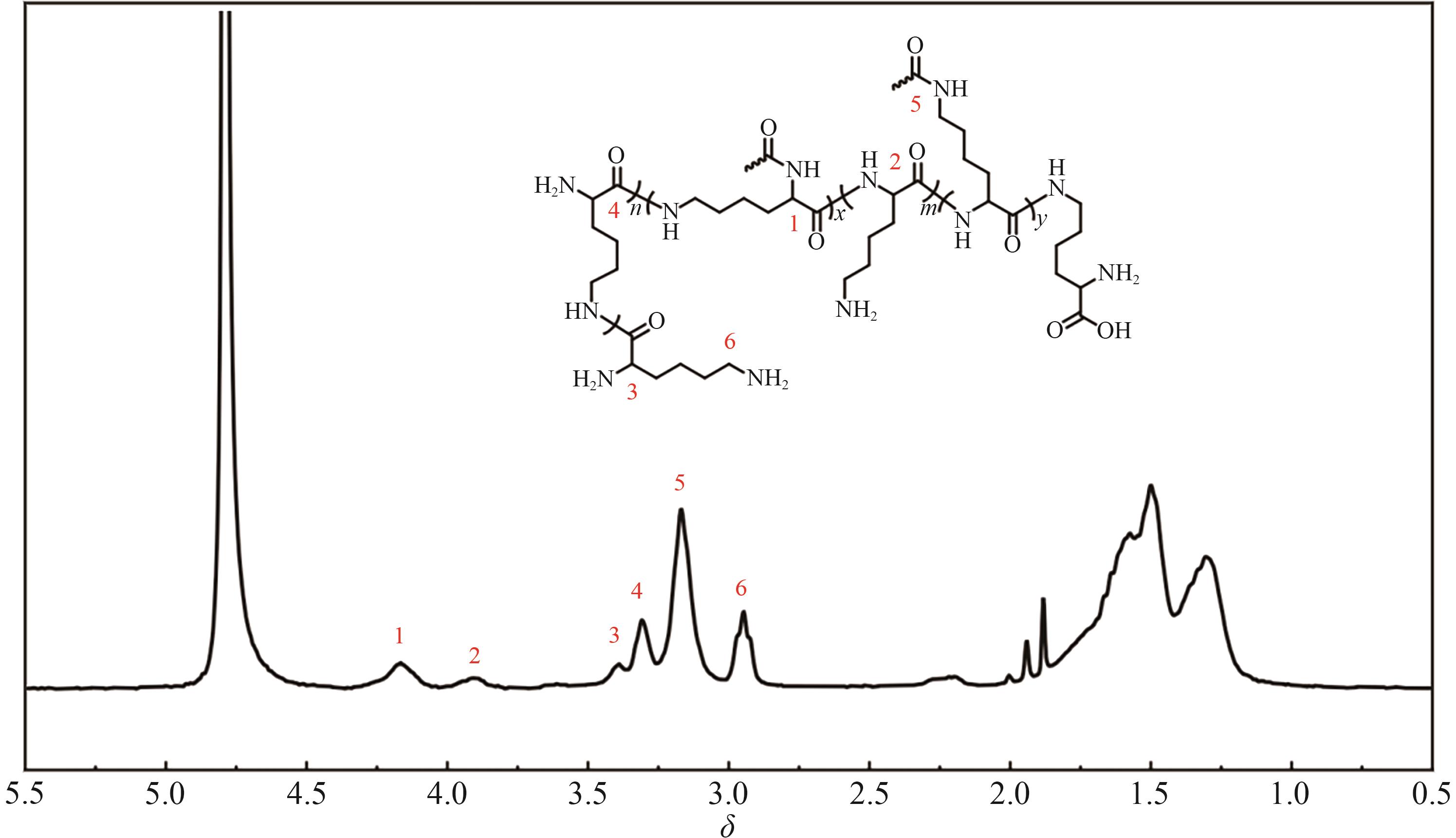
Fig.1 1H NMR spectrum of HPL (D2O)
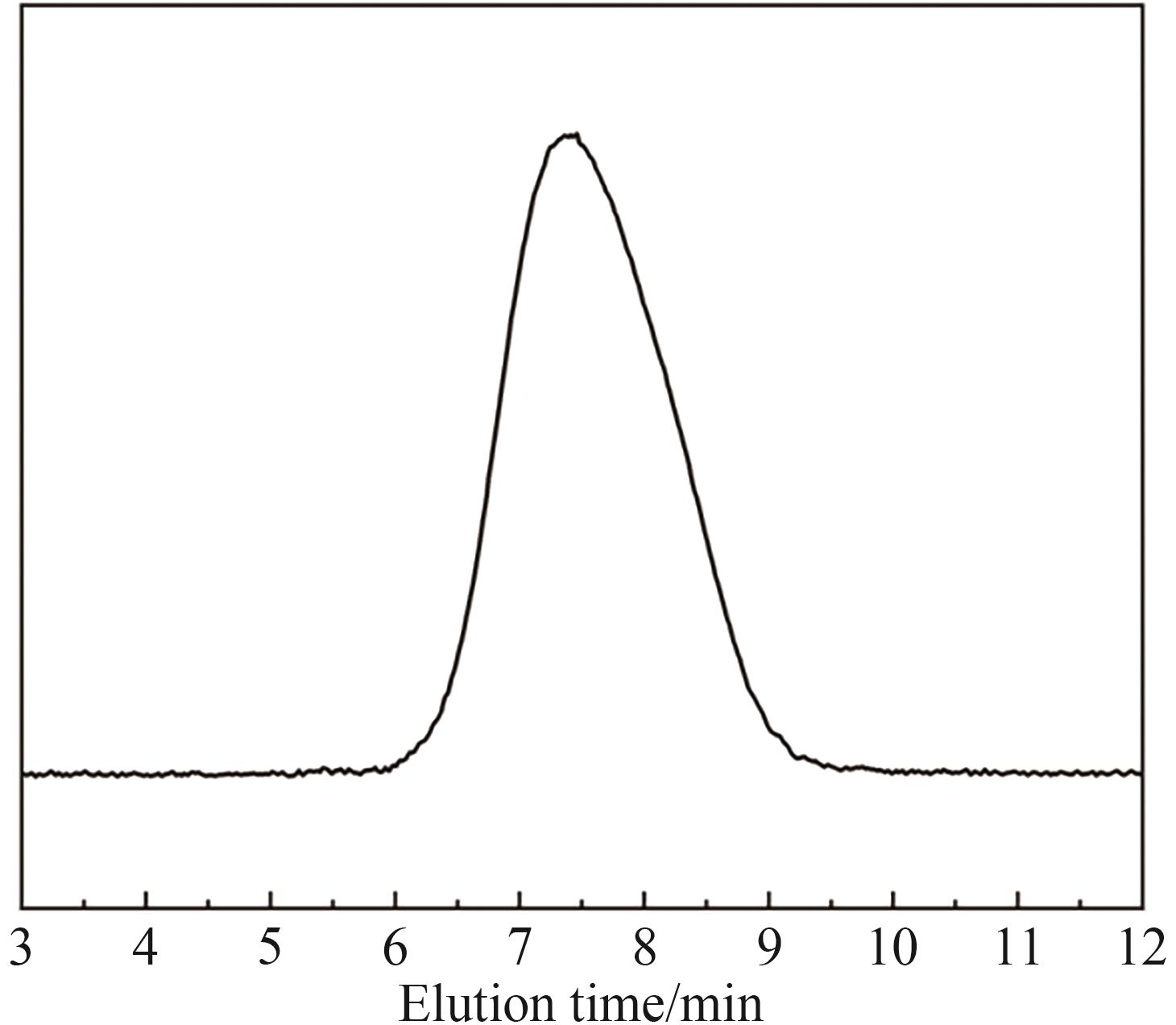
Fig.2 GPC chromatogram of HPL
| Molecular species | Reaction solvent | Equivalent | Temperature/℃ | Reaction time/h |
|---|---|---|---|---|
| Non-fluorinated epoxides | 1 mL DMSO | 2 | 60 | 24 |
| Fluorinated epoxides | 1 mL DMSO | 0.5 | 60 | 24 |
| Acrylates | 0.8 mL DMSO+0.2 mL DMF | 2 | 60 | 24 |
| Alkylated dioxyphosphoranes | 1 mL DMSO | 2 | 60 | 24 |
Table 1 Reaction conditions for the synthesis of HPL derivatives
| Molecular species | Reaction solvent | Equivalent | Temperature/℃ | Reaction time/h |
|---|---|---|---|---|
| Non-fluorinated epoxides | 1 mL DMSO | 2 | 60 | 24 |
| Fluorinated epoxides | 1 mL DMSO | 0.5 | 60 | 24 |
| Acrylates | 0.8 mL DMSO+0.2 mL DMF | 2 | 60 | 24 |
| Alkylated dioxyphosphoranes | 1 mL DMSO | 2 | 60 | 24 |
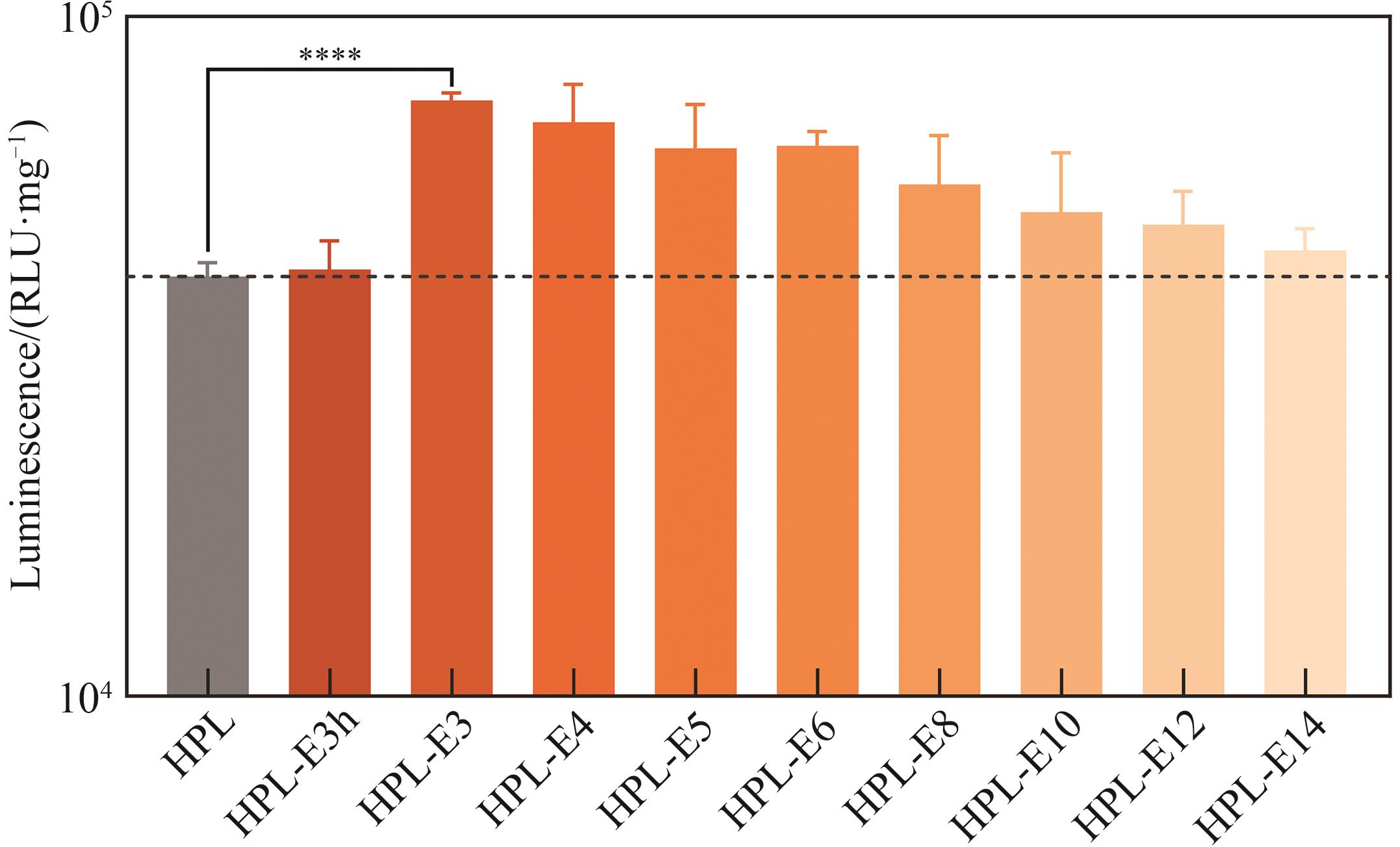
Fig.3 HPL-En transfection efficiency of Fluc mRNA in 293T cells (m(polymer)∶m(mRNA)=20∶1)
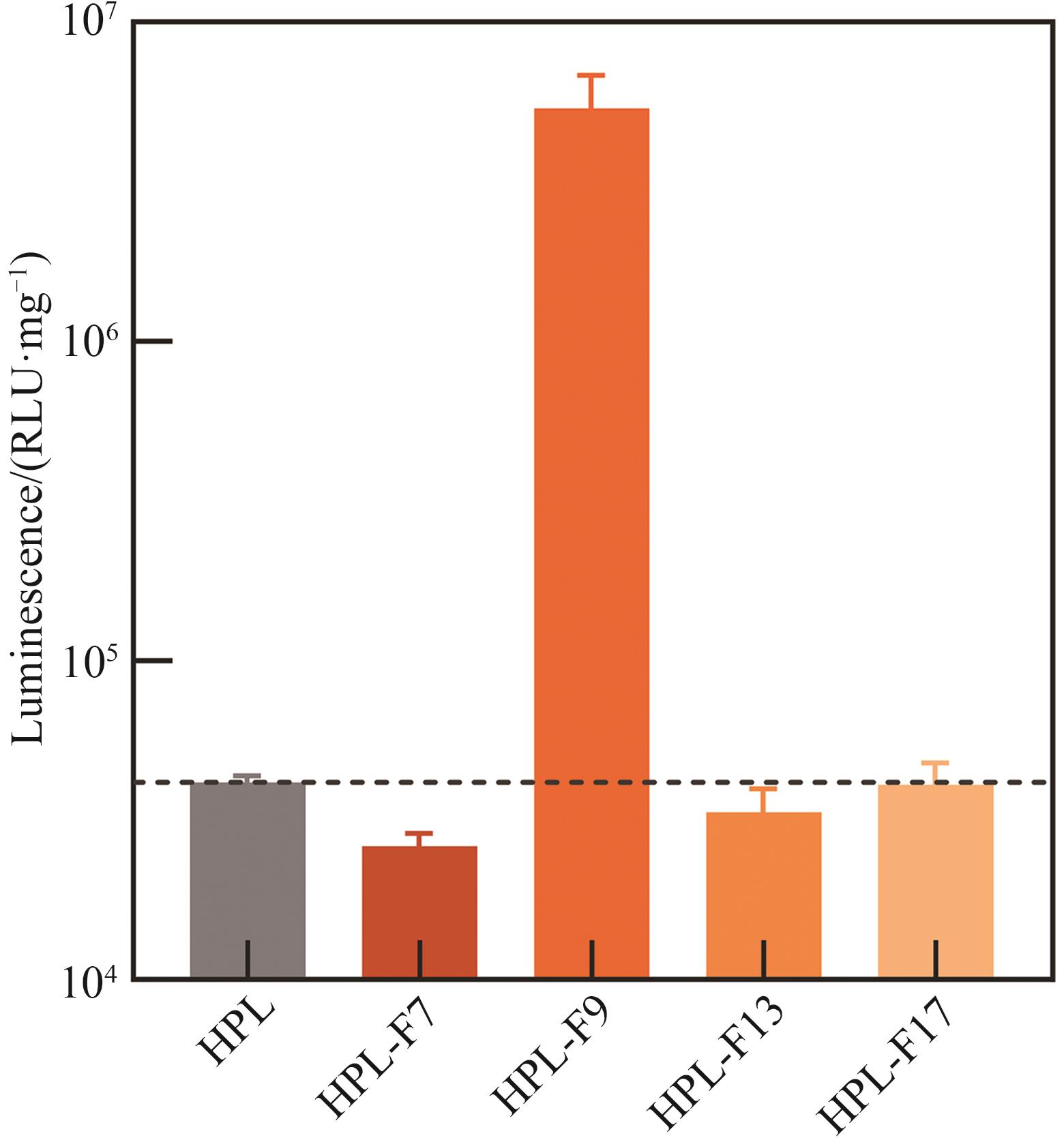
Fig.4 HPL-Fx transfection efficiency of Fluc mRNA in 293T cells (m(polymer)∶m(mRNA)=20∶1)
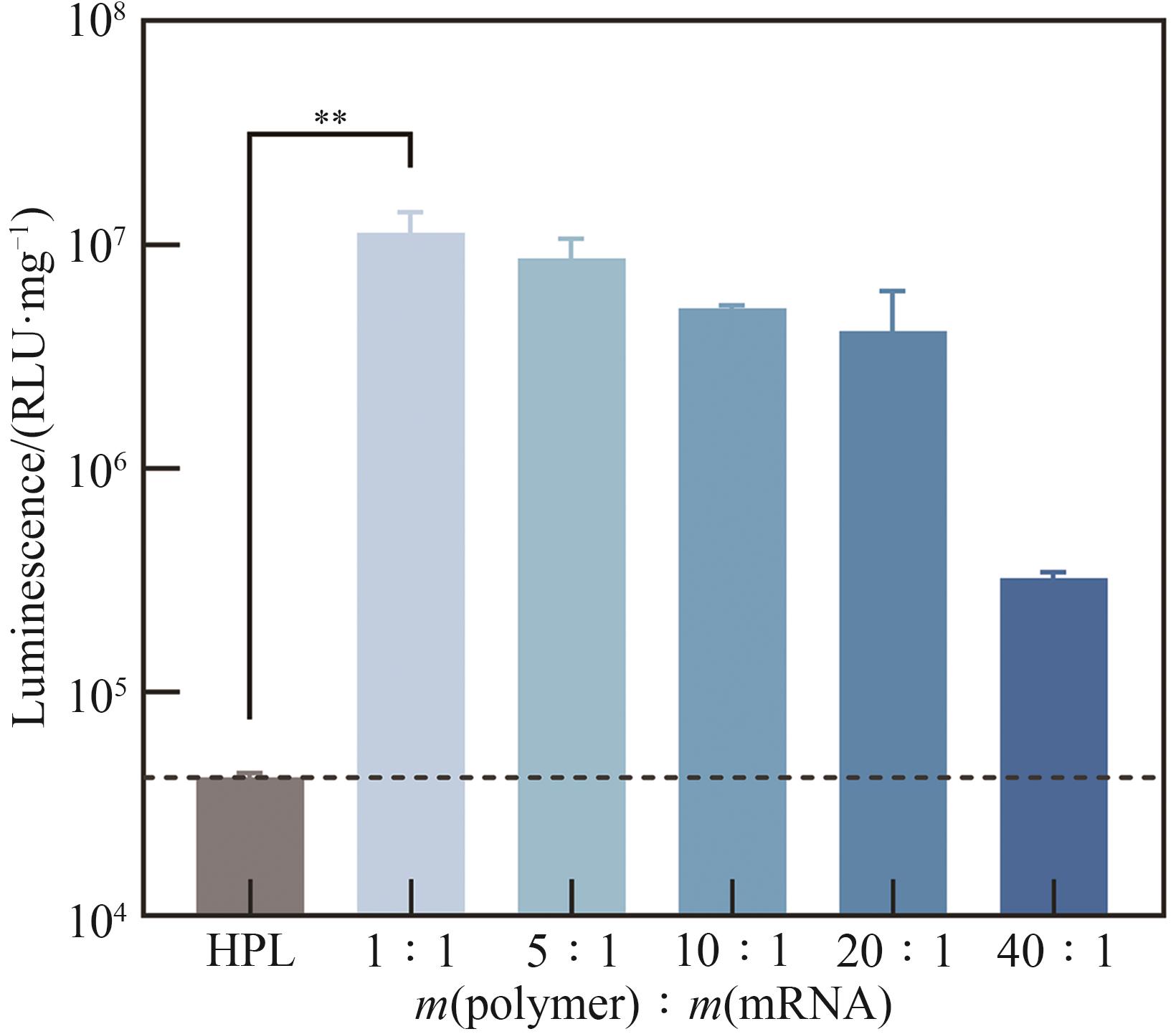
Fig.5 HPL-F9 transfection efficiency of Fluc mRNA in 293T cells at different polymer/mRNA mass ratios
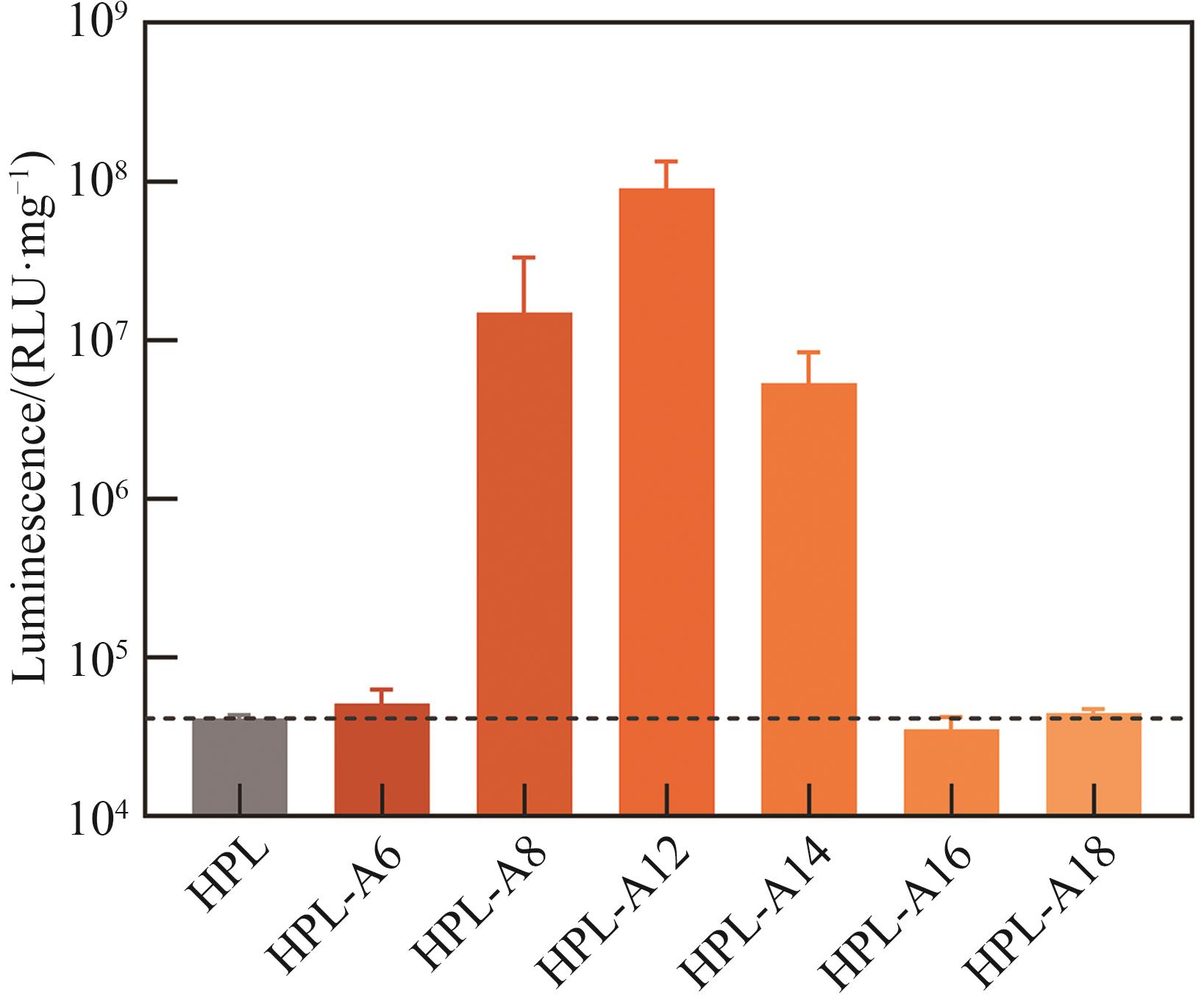
Fig.6 HPL-Ay transfection efficiency of Fluc mRNA in 293T cells (m(polymer)∶m(mRNA)=20∶1)
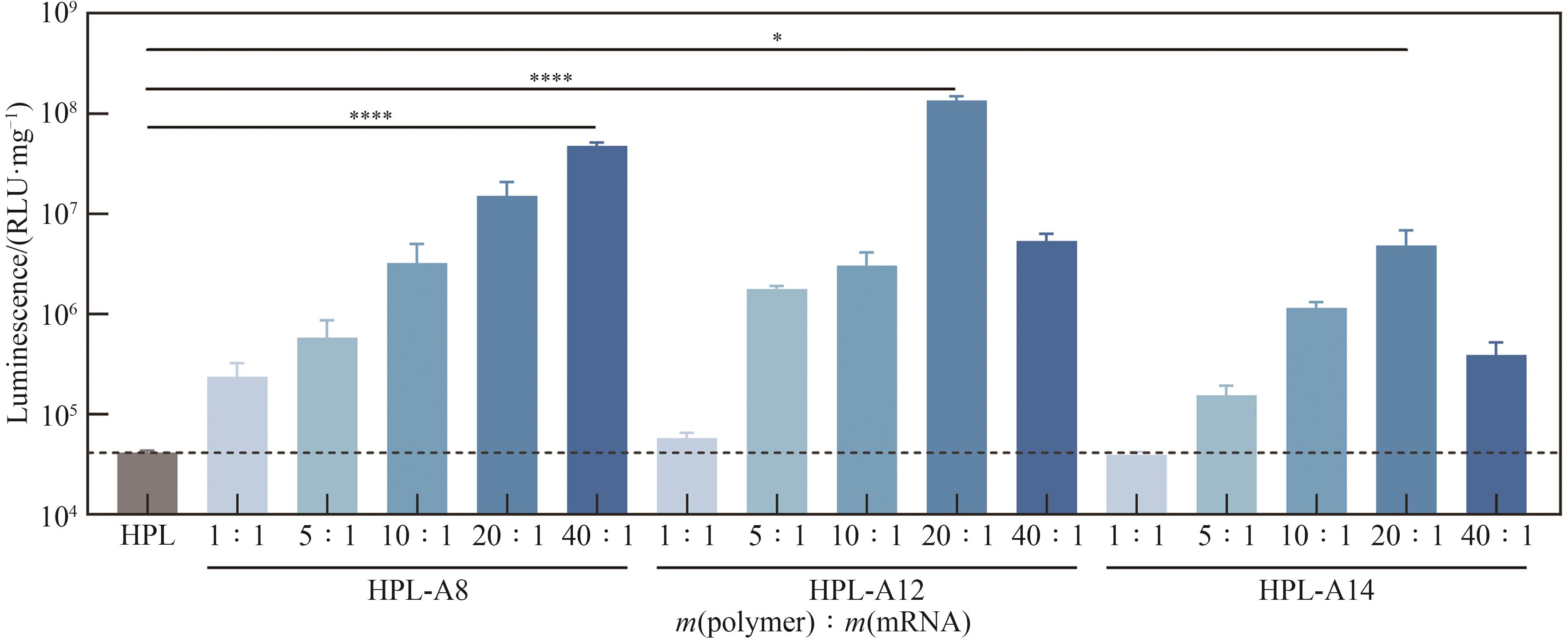
Fig.7 HPL-A8, HPL-A12 and HPL-A14 transfection efficiency of Fluc mRNA in 293T cells at different polymer/mRNA mass ratios
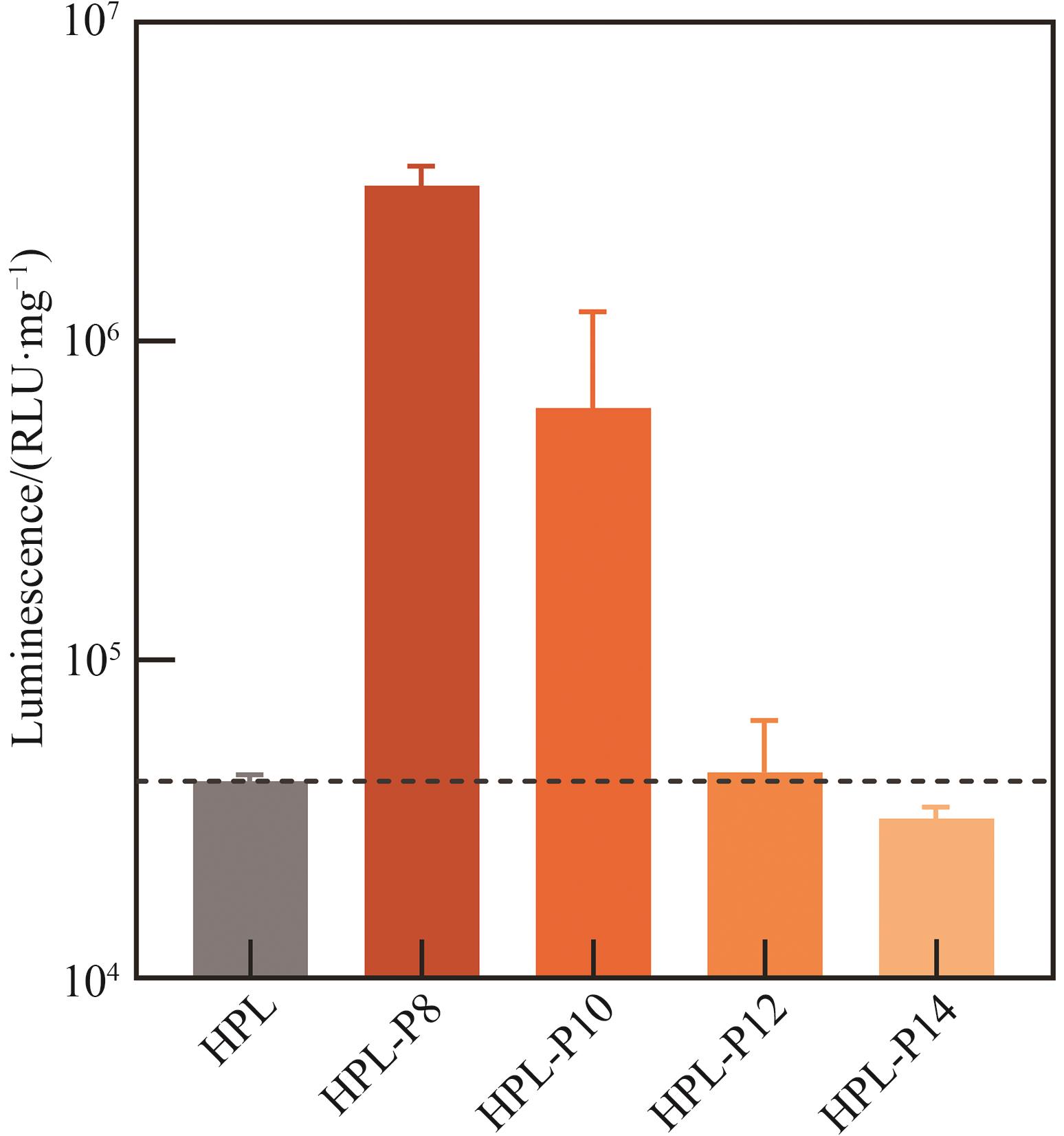
Fig.8 HPL-Pm transfection efficiency of Fluc mRNA in 293T cells (m(polymer)∶m(mRNA)=20∶1)
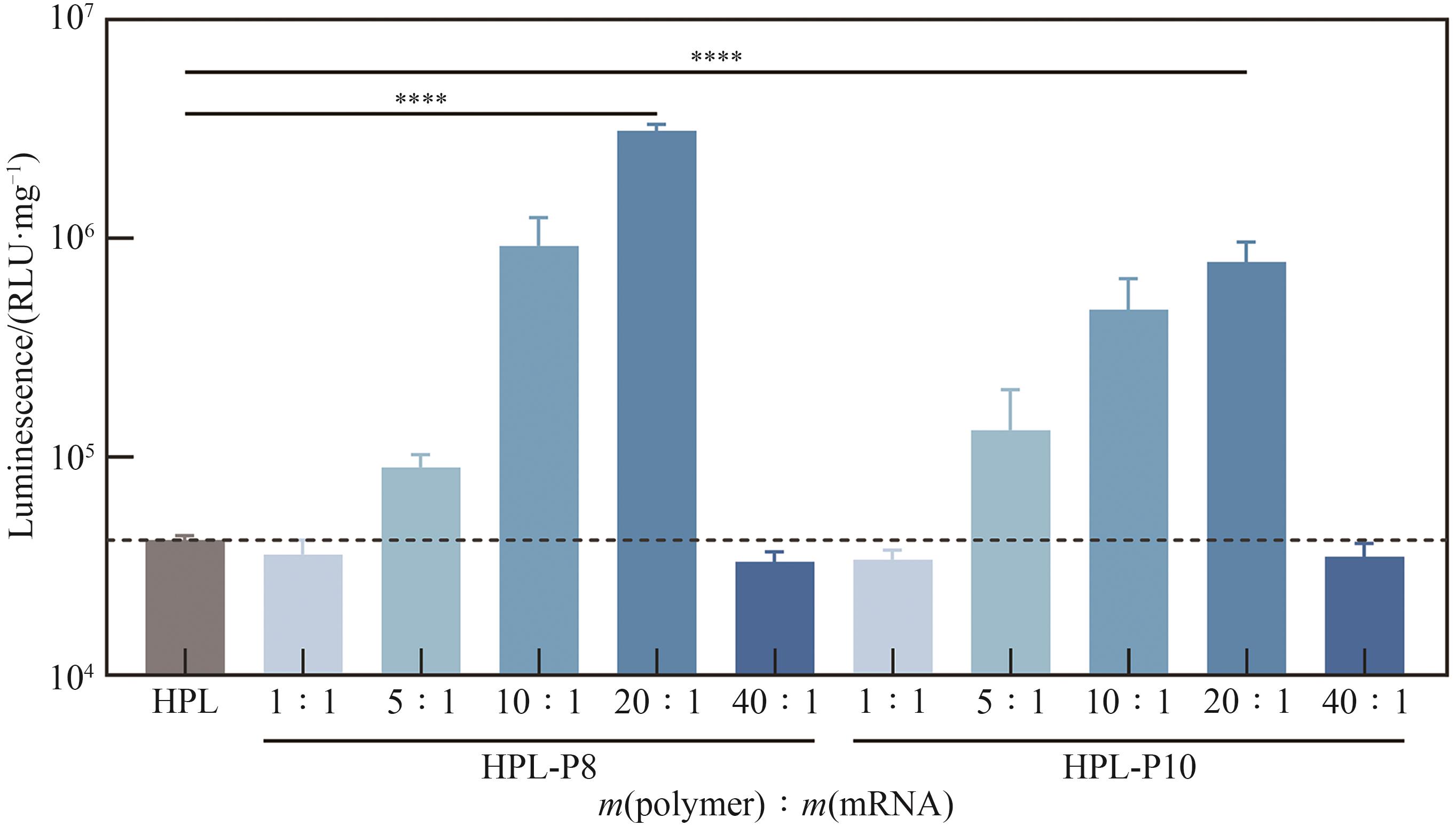
Fig.9 HPL-P8 and HPL-P10 transfection efficiency of Fluc mRNA in 293T cells at different polymer/mRNA mass ratios
| [1] | MIYAZAKI T, UCHIDA S, NAGATOISHI S, et al. Polymeric nanocarriers with controlled chain flexibility boost mRNA delivery in vivo through enhanced structural fastening[J]. Adv Healthc Mater, 2020, 9(16): e2000538. |
| [2] | SHI J Q, YIN H Y, SUN Q M, et al. Rational design of polymeric mRNA delivery vectors to achieve excellent room-temperature storage stability and delivery efficiency[J]. Chem Mater, 2024, 36(11): 5422-5435. |
| [3] | ZHANG H P, MENG C Y, YI X W, et al. Fluorinated lipid nanoparticles for enhancing mRNA delivery efficiency[J]. ACS Nano, 2024, 18(11): 7825-7836. |
| [4] | 樊渝川, 殷涵, 李钰, 等. mRNA疫苗与脂质纳米颗粒递送载体的研究进展[J]. 科学通报, 2024, 69(33): 4813-4823. |
| FAN Y C, YIN H, LI Y, et al. Progress on mRNA vaccines and lipid nanoparticles[J]. Chin Sci Bull, 2024, 69(33): 4813-4823. | |
| [5] | 张苗苗, 李港, 侯泰霖, 等. 基于纳米技术的mRNA递送系统的研究进展[J]. 科学通报, 2024, 69(33): 4858-4873. |
| ZHANG M M, LI G, HOU T L, et al. Advancements in nanotechnology-enabled mRNA delivery systems[J]. Chin Sci Bull, 2024, 69(33): 4858-4873. | |
| [6] | LIU X, YANG Y L, HAN M M, et al. Guanylated hyperbranched polylysines with high in vitro and in vivo antifungal activity[J]. Adv Healthc Mater, 2022, 11(18): e2201091. |
| [7] | SCHOLL M, NGUYEN T Q, BRUCHMANN B, et al. The thermal polymerization of amino acids revisited; synthesis and structural characterization of hyperbranched polymers from L-lysine[J]. J Polym Sci Pol Chem, 2007, 45(23): 5494-5508. |
| [8] | HAJJ K A, MELAMED J R, CHAUDHARY N, et al. A potent branched-tail lipid nanoparticle enables multiplexed mRNA delivery and gene editing in vivo[J]. Nano Lett, 2020, 20(7): 5167-5175. |
| [9] | FAN C Y, WANG S W, CHUNG C, et al. Synthesis of a dendritic cell-targeted self-assembled polymeric nanoparticle for selective delivery of mRNA vaccines to elicit enhanced immune responses[J]. Chem Sci, 2024, 15(29): 11626-11632. |
| [10] | LAI Q Y, LI W L, HU D D, et al. Hepatic stellate cell-targeted chemo-gene therapy for liver fibrosis using fluorinated peptide-lipid hybrid nanoparticles[J]. J Control Release, 2024, 376: 601-617. |
| [11] | LIU S, WANG X, YU X L, et al. Zwitterionic phospholipidation of cationic polymers facilitates systemic mRNA delivery to spleen and lymph nodes[J]. J Am Chem Soc, 2021, 143(50): 21321-21330. |
| [12] | JARZEBINSKA A, PASEWALD T, LAMBRECHT J, et al. A single methylene group in oligoalkylamine-based cationic polymers and lipids promotes enhanced mRNA delivery[J]. Angew Chem Int Ed, 2016, 55(33): 9591-9595. |
| [13] | WANG L Y, LI Y C, JIANG P G, et al. Enhanced mRNA delivery via incorporating hydrophobic amines into lipid nanoparticles[J]. Colloids Surf B Biointerfaces, 2025, 249: 114528. |
| [14] | YONG H Y, LIN L X, LI Z L, et al. Tailoring highly branched poly(beta-amino ester)s for efficient and organ-selective mRNA delivery[J]. Nano Lett, 2024, 24(30): 9368-9376. |
| [15] | ZHAO H Q, MA S, QI Y B, et al. A polyamino acid-based phosphatidyl polymer library for in vivo mRNA delivery with spleen targeting ability[J]. Mater Horiz, 2024, 11(11): 2739-2748. |
| [16] | LONG J R, YU C X, ZHANG H L, et al. Novel ionizable lipid nanoparticles for SARS-CoV-2 Omicron mRNA delivery[J]. Adv Healthc Mater, 2023, 12(13): e2202590. |
| [17] | GUO X Y, YANG Z Y, FANG H P, et al. Modulating the oxidation degree of linear polyethyleneimine for preparation of highly efficient and low-cytotoxicity degradable gene delivery carriers[J]. Chin J Polym Sci, 2024, 42(11): 1699-1709. |
| [18] | KOWALSKI P S, PALMIERO C U, HUANG Y X, et al. Ionizable amino-polyesters synthesized via ring opening polymerization of tertiary amino-alcohols for tissue selective mRNA delivery[J]. Adv Mater, 2018: e1801151. |
| [19] | KACZMAREK J C, PATEL A K, KAUFFMAN K J, et al. Polymer-lipid nanoparticles for systemic delivery of mRNA to the lungs[J]. Angew Chem Int Ed, 2016, 55(44): 13808-13812. |
| [20] | KIM H L, SARAVANAKUMAR G, LEE S, et al. Poly(beta-amino ester) polymer library with monomer variation for mRNA delivery[J]. Biomaterials, 2025, 314: 122896. |
| [21] | XUE L L, ZHAO G, GONG N Q, et al. Combinatorial design of siloxane-incorporated lipid nanoparticles augments intracellular processing for tissue-specific mRNA therapeutic delivery[J]. Nat Nanotechnol, 2025, 20(1): 132-143. |
| [22] | 唐国鸿, 赵振, 仲家慧, 等. 氨基酸及其衍生物的生物基聚氨酯的制备和性能的研究进展[J]. 应用化学, 2025, 42(1): 42-57. |
| TANG G H, ZHAO Z, ZHONG J H, et al. Research progress on preparation and properties of bio-based polyurethanes from amino acid and its derivatives [J]. Chin J Appl Chem, 2025, 42(1): 42-57. | |
| [23] | ZHANG X Y, SU K X, WU S Q, et al. One-component cationic lipids for systemic mRNA delivery to splenic T cells[J]. Angew Chem Int Ed, 2024, 63(26): e202405444. |
| [24] | 李港, 侯泰霖, 蒋为, 等. 聚合物载体在mRNA递送领域的研究进展[J]. 药学进展, 2024, 48(6): 437-449. |
| LI G, HOU T L, JIANG W, et al. Research progress of polymer carriers in the field of mRNA delivery[J]. Prog Pharm Sci, 2024, 48(6): 437-449. | |
| [25] | CHEN G H, LIU X, LIU H, et al. Quaternary ammonium salt derivatives of hyperbranched polylysine with enhanced antibacterial activity against multidrug-resistant Gram-negative bacteria[J]. ACS Appl Bio Mater, 2024, 7(11): 7444-7452. |
| [26] | DONG W, LI Z B, HOU T L, et al. Multicomponent synthesis of imidazole-based ionizable lipids for highly efficient and spleen-selective messenger RNA delivery[J]. J Am Chem Soc, 2024, 146(22): 15085-15095. |
| [27] | KADLECOVA Z, BALDI L, HACKER D, et al. Comparative study on the in vitro cytotoxicity of linear, dendritic, and hyperbranched polylysine analogues[J]. Biomacromolecules, 2012, 13(10): 3127-3137. |
| [28] | KADLECOVA Z, RAJENDRA Y, MATASCI M, et al. DNA delivery with hyperbranched polylysine: a comparative study with linear and dendritic polylysine[J]. J Control Release, 2013, 169(3): 276-288. |
| [29] | NAIDU G S, YONG S B, RAMISHETTI S, et al. A combinatorial library of lipid nanoparticles for cell type-specific mRNA delivery[J]. Adv Sci, 2023, 10(19): e2301929. |
| [30] | LV K, YU Z L, WANG J, et al. Discovery of ketal-ester ionizable lipid nanoparticle with reduced hepatotoxicity, enhanced spleen tropism for mRNA vaccine delivery[J]. Adv Sci, 2024, 11(45): e2404684. |
| [31] | 焦元昊, 崔洪燕, 张留伟, 等. 基于原位聚合技术构建细胞内微环境响应型DNA递送系统[J]. 应用化学, 2022, 39(10): 1510-1522. |
| JIAO Y H, CUI H Y, ZHANG L W,et al. Fabrication of multifunctional gene delivery systems responsible to intracellular microenvironments through in situ polymerization[J]. Chin J Appl Chem, 2022, 39(10): 1510-1522. | |
| [32] | GAO Y X, ZHAO H Q, ZHAO J Y, et al. Polymer-based synthetic oncolytic virus-like nanoparticles for cancer immunotherapy[J]. Sci China Chem, 2023, 66(12): 3576-3586. |
| [33] | DENG Y H, ZHANG J, SUN X M, et al. Potent gene delivery from fluorinated poly(beta-amino ester) in adhesive and suspension difficult-to-transfect cells for apoptosis and ferroptosis[J]. J Control Release, 2023, 363: 597-605. |
| [34] | DONG L Y, DENG X Q, LI Y, et al. Stimuli-responsive mRNA vaccines to induce robust CD8+ T Cell response via ROS-mediated innate immunity boosting[J]. J Am Chem Soc, 2024, 146(28): 19218-19228. |
| [35] | ZHANG Y Y, HU Y Y, TIAN H Y, et al. Opportunities and challenges for mRNA delivery nanoplatforms[J]. J Phys Chem Lett, 2022, 13(5): 1314-1322. |
| [36] | HAN X X, ALAMEH M G, XU Y, et al. Optimization of the activity and biodegradability of ionizable lipids for mRNA delivery via directed chemical evolution[J]. Nat Biomed Eng, 2024, 8(11): 1412-1424. |
| [37] | LIU H, LIU X, CAO Y Q, et al. Engineering antibacterial activities and biocompatibility of hyperbranched lysine-based random copolymers[J]. Chin J Polym Sci, 2023, 41(3): 345-355. |
| [38] | ZENG G G, HE Z P, YANG H H, et al. Cationic lipid pairs enhance liver-to-lung tropism of lipid nanoparticles for in vivo mRNA delivery[J]. ACS Appl Mater Interfaces, 2024, 16(20): 25698-25709. |
| [39] | LI S R, LV M Y, MEI W K, et al. Fluorinated polyethylenimine and fluorinated choline phosphate lipids complex system for efficient mRNA delivery to deep-seated tumor tissues[J]. Biomacromolecules, 2024, 25(8): 5251-5259. |
| [40] | KRANZ L M, DIKEN M, HAAS H, et al. Systemic RNA delivery to dendritic cells exploits antiviral defence for cancer immunotherapy[J]. Nature, 2016, 534(7607): 396-401. |
| [41] | KADLECOVA Z, RAJENDRA Y, MATASCI M, et al. Hyperbranched polylysine: a versatile, biodegradable transfection agent for the production of recombinant proteins by transient gene expression and the transfection of primary cells[J]. Macromol Biosci, 2012, 12(6): 794-804. |
| [1] | Yu-Song LUO, Rui WANG. Copolymerization Modification and Properties of Poly(butylene succinate) by 2,2'-Bithiazole-4,4'-Dicarboxylic Acid [J]. Chinese Journal of Applied Chemistry, 2024, 41(11): 1565-1571. |
| [2] | Yun HONG, Xiao-Ye MA, Jing-Wei HOU, Ding-Xiao JIANG, Chuan-Qing KANG. Synthesis and Properties of Polyurethane Containing Polypeptide from Silk Fibroin [J]. Chinese Journal of Applied Chemistry, 2024, 41(10): 1425-1435. |
| [3] | Zhao-Yang DIAO, Li LIU, Chen-Ming LI, Huan-Li SUN. Research Progress on the Application of Nanomedicines in the Treatment of Acute Myeloid Leukemia [J]. Chinese Journal of Applied Chemistry, 2024, 41(9): 1259-1270. |
| [4] | Kun ZHANG, Bo ZHU, Chang-Bin DU, Yi HAN. Preparation and Radiation Shielding Mechanism of Lead-Boron-Polyethylene Composites [J]. Chinese Journal of Applied Chemistry, 2024, 41(8): 1168-1174. |
| [5] | Fang XIA, Zi-Ying XU, He WANG, Yu-Fang HE. Graphene Oxide Characterization Based on Bibliometrics [J]. Chinese Journal of Applied Chemistry, 2023, 40(10): 1448-1455. |
| [6] | Xiao-Hu LIU, Xiao-Juan LAI, Hong-Yan CAO, Ting-Ting WANG, Zhi-Qiang DANG. Synergistic Performance of Foaming Agent/Stabilizer/SiO2 Composite Foam Retarded Acid System [J]. Chinese Journal of Applied Chemistry, 2023, 40(1): 91-99. |
| [7] | Tong CAO, Jun PENG, Yan FENG, Xiao-Bo LIU, Yu-Min HUANG. Research Progress of Side-Chain Sulfonated Polyarylene Ether Proton Exchange Membranes [J]. Chinese Journal of Applied Chemistry, 2022, 39(12): 1783-1802. |
| [8] | Yong-Xin TANG, Li-Wu NIE. Effect of Epoxy Resin Content on the Performance of Luminous Resin Permeable Concrete [J]. Chinese Journal of Applied Chemistry, 2022, 39(11): 1665-1671. |
| [9] | Bing-Gang CHEN, San-Rong LIU, Zi-Jiang JIANG, Xi-Fei YU. Preparation and Properties Characterization of Hydrophilic Polysiloxane and Polyvinyl Alcohol Composite as Skin Barrier Material [J]. Chinese Journal of Applied Chemistry, 2022, 39(8): 1224-1236. |
| [10] | Guan-Yu XIE, Mao LI. Topological Metallopolymers Synthesized by Electropolymerization and Their Photoelectric Properties [J]. Chinese Journal of Applied Chemistry, 2022, 39(8): 1246-1251. |
| [11] | Hong-Xia CHEN, Bao-Xia LI, Ying-Ming YAO, Peng LIU. Synthesis, Characterization and Catalytic Activity of Benzylamine⁃bridged Bis(phenolato)lanthanide Complexes [J]. Chinese Journal of Applied Chemistry, 2022, 39(5): 843-851. |
| [12] | . [J]. Chinese Journal of Applied Chemistry, 2022, 39(5): 855-856. |
| [13] | ZHANG Qiao-Feng, LI Guo, JIANG Jin-Qiang, LIU Zhao-Tie. Preparation and Luminescent Properties of Linear Multi-hydroxy Polyester [J]. Chinese Journal of Applied Chemistry, 2021, 38(8): 938-945. |
| [14] | WANG Xu-Yao, FANG Ying-Jun, ZHANG Ling-Zhi. Synthesis and Characterization of Cross-linked Solid Polymer Electrolyte Based on N-Cyanoethylated Polyethylenimine for Lithium-Ion Batteries [J]. Chinese Journal of Applied Chemistry, 2021, 38(8): 946-953. |
| [15] | WANG Yu-Cheng, QI Ying-Xia, LU Yi-Xuan, LU Yang. Preparation and Heat Storage/Release of Paraffin/Octadecanoic Acid/Octadecanol Composite [J]. Chinese Journal of Applied Chemistry, 2021, 38(8): 969-975. |
| Viewed | ||||||
|
Full text |
|
|||||
|
Abstract |
|
|||||
