
Chinese Journal of Applied Chemistry ›› 2025, Vol. 42 ›› Issue (10): 1397-1408.DOI: 10.19894/j.issn.1000-0518.250012
• Full Papers • Previous Articles Next Articles
Yi ZHOU1,2, Er-Gang WANG1, Peng-Yuan LYU1, Li-Xiang WANG2, Chang-Bao CHEN1, Wei-Chen QI2, Qiong LI1( )
)
Received:2025-01-06
Accepted:2025-07-21
Published:2025-10-01
Online:2025-10-29
Contact:
Qiong LI
About author:liqiong@ccucm.edu.cnSupported by:CLC Number:
Yi ZHOU, Er-Gang WANG, Peng-Yuan LYU, Li-Xiang WANG, Chang-Bao CHEN, Wei-Chen QI, Qiong LI. Effect of Different Improvement Methods on the Physicochemical Properties and Fungal Community Structure of Ginseng Continuous Cropping Soil[J]. Chinese Journal of Applied Chemistry, 2025, 42(10): 1397-1408.
Add to citation manager EndNote|Ris|BibTeX
URL: http://yyhx.ciac.jl.cn/EN/10.19894/j.issn.1000-0518.250012
| Treatment | pH | EC | OM/(g·kg-1) | AP/(mg·kg-1) | AN/(mg·kg-1) |
|---|---|---|---|---|---|
| CS | 5.69±0.04 a | 253.25±1.71 a | 134.64±4.88 b | 21.29±0.90 a | 2 093.00±28.58 a |
| WLZ | 5.58±0.03 b | 105.93±1.36 c | 207.91±5.85 a | 14.25±0.51 b | 657.13±67.16 b |
| LSD | 4.68±0.01 c | 206.50±1.29 b | 111.78±1.40 c | 12.97±0.27 c | 602.00±18.52 c |
Table 1 The effect of different treatments on the physicochemical properties of ginseng continuous cropping soil
| Treatment | pH | EC | OM/(g·kg-1) | AP/(mg·kg-1) | AN/(mg·kg-1) |
|---|---|---|---|---|---|
| CS | 5.69±0.04 a | 253.25±1.71 a | 134.64±4.88 b | 21.29±0.90 a | 2 093.00±28.58 a |
| WLZ | 5.58±0.03 b | 105.93±1.36 c | 207.91±5.85 a | 14.25±0.51 b | 657.13±67.16 b |
| LSD | 4.68±0.01 c | 206.50±1.29 b | 111.78±1.40 c | 12.97±0.27 c | 602.00±18.52 c |
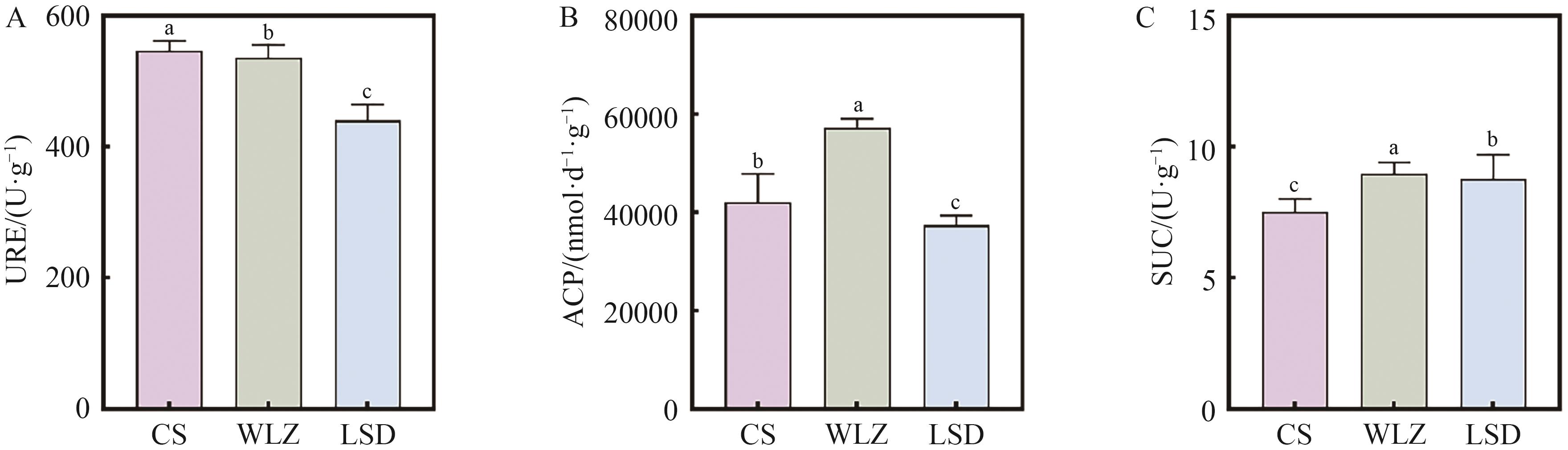
Fig.1 Soil enzyme activity under different treatments
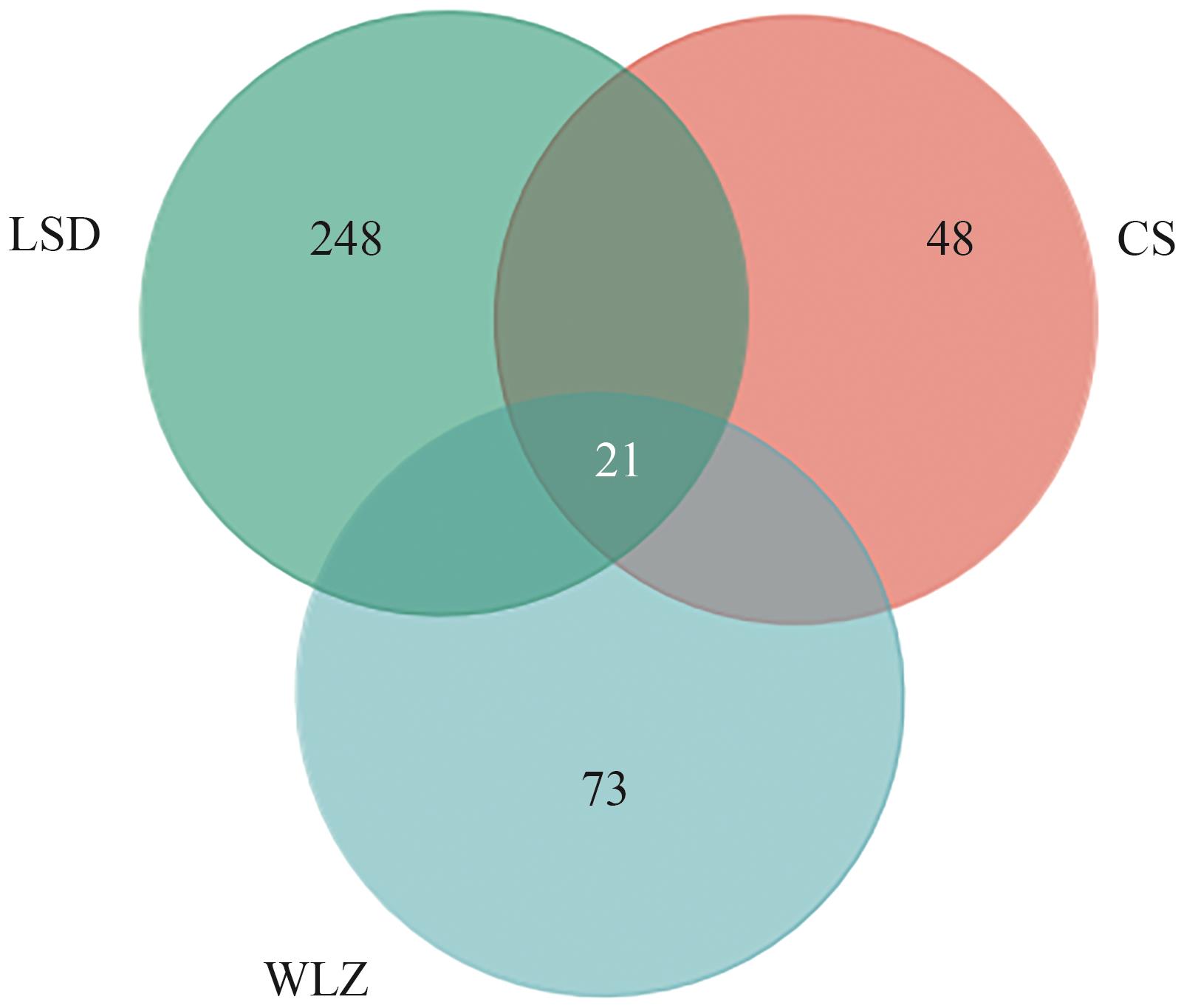
Fig.2 Venn diagram of fungal communities in ginseng continuous cropping soil under different treatments
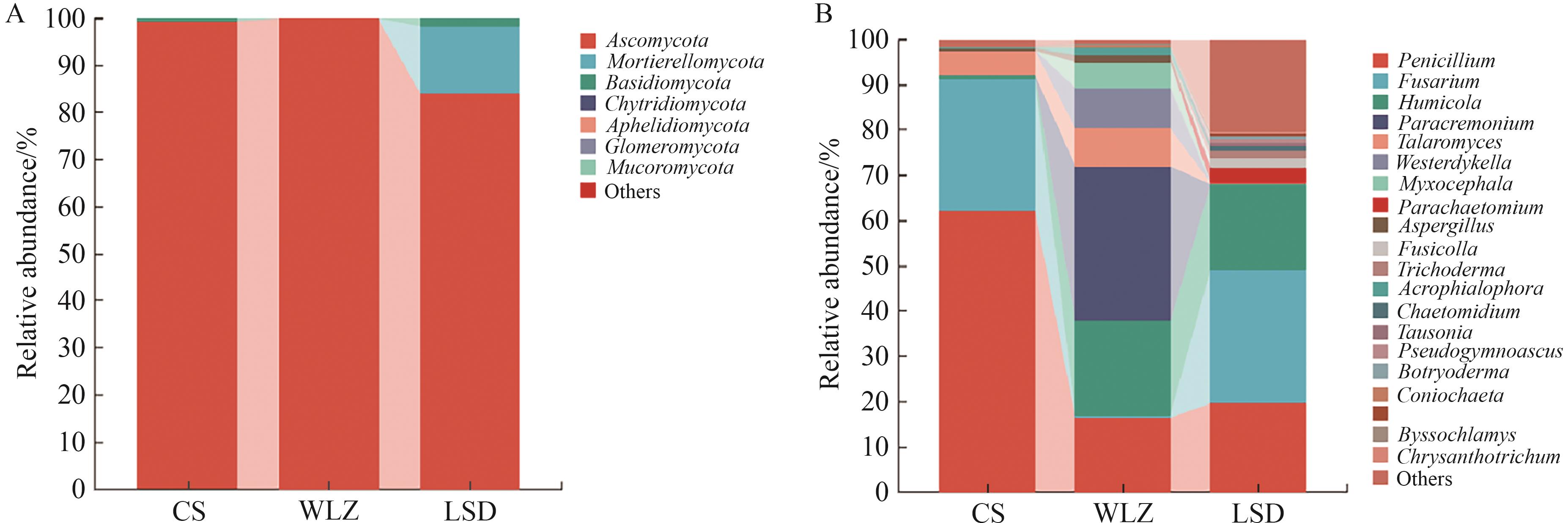
Fig.3 Horizontal community composition of fungal phyla and genera in ginseng continuous cropping soil under different treatments
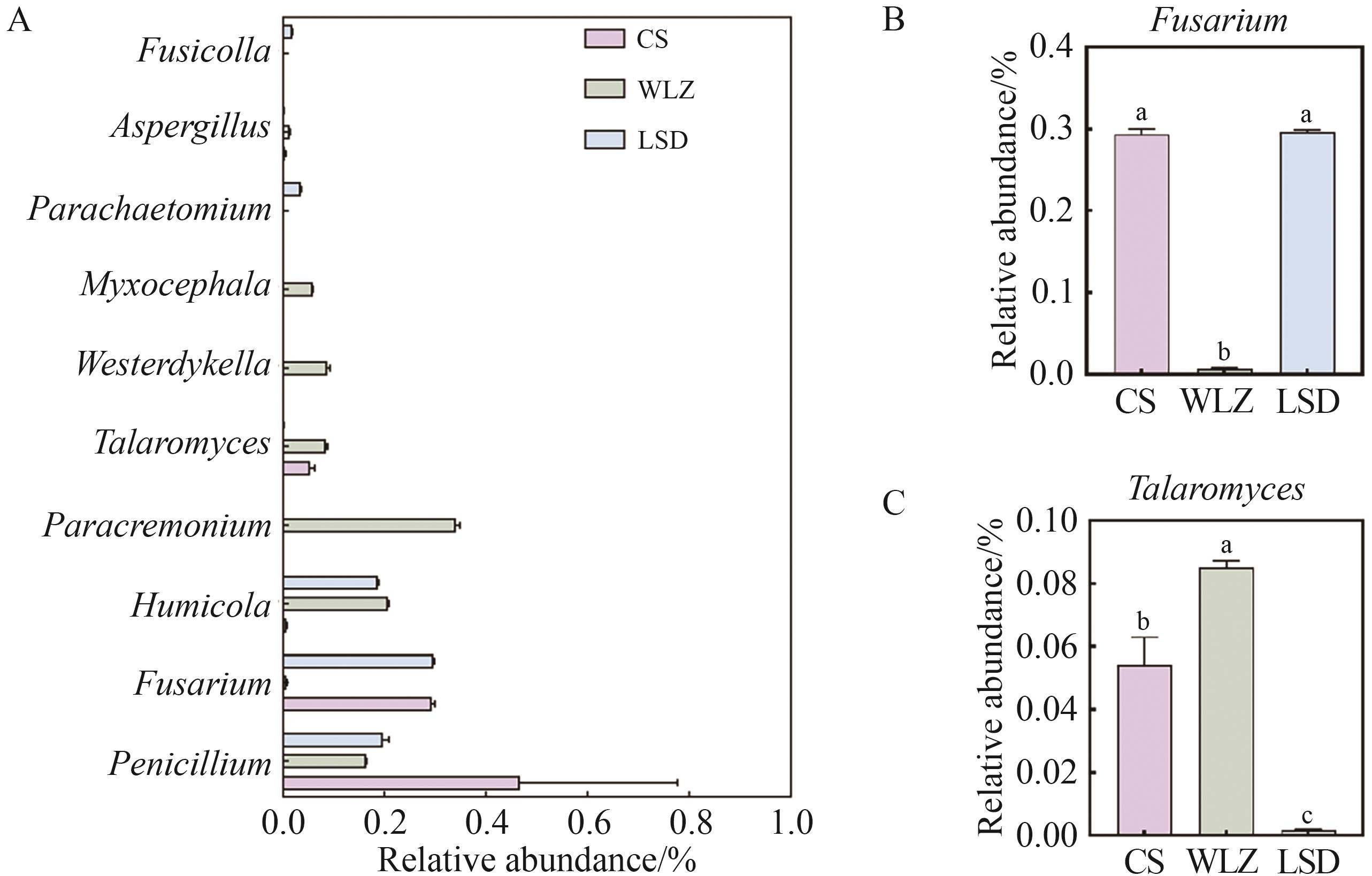
Fig.4 Analysis of horizontal differences in fungal genera in ginseng continuous cropping soil under different treatments
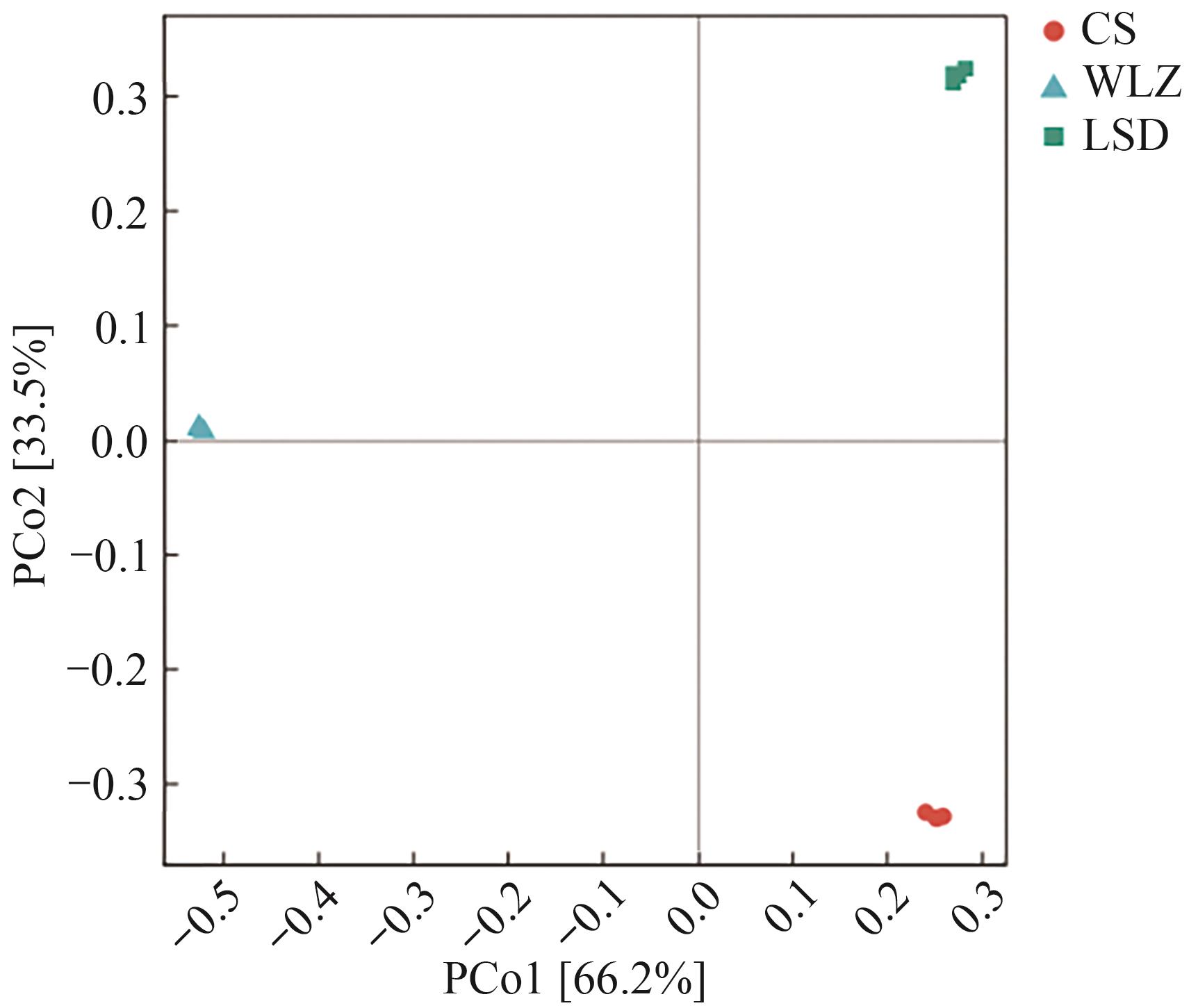
Fig.5 Analysis of fungal β diversity in ginseng continuous cropping soil under different treatments
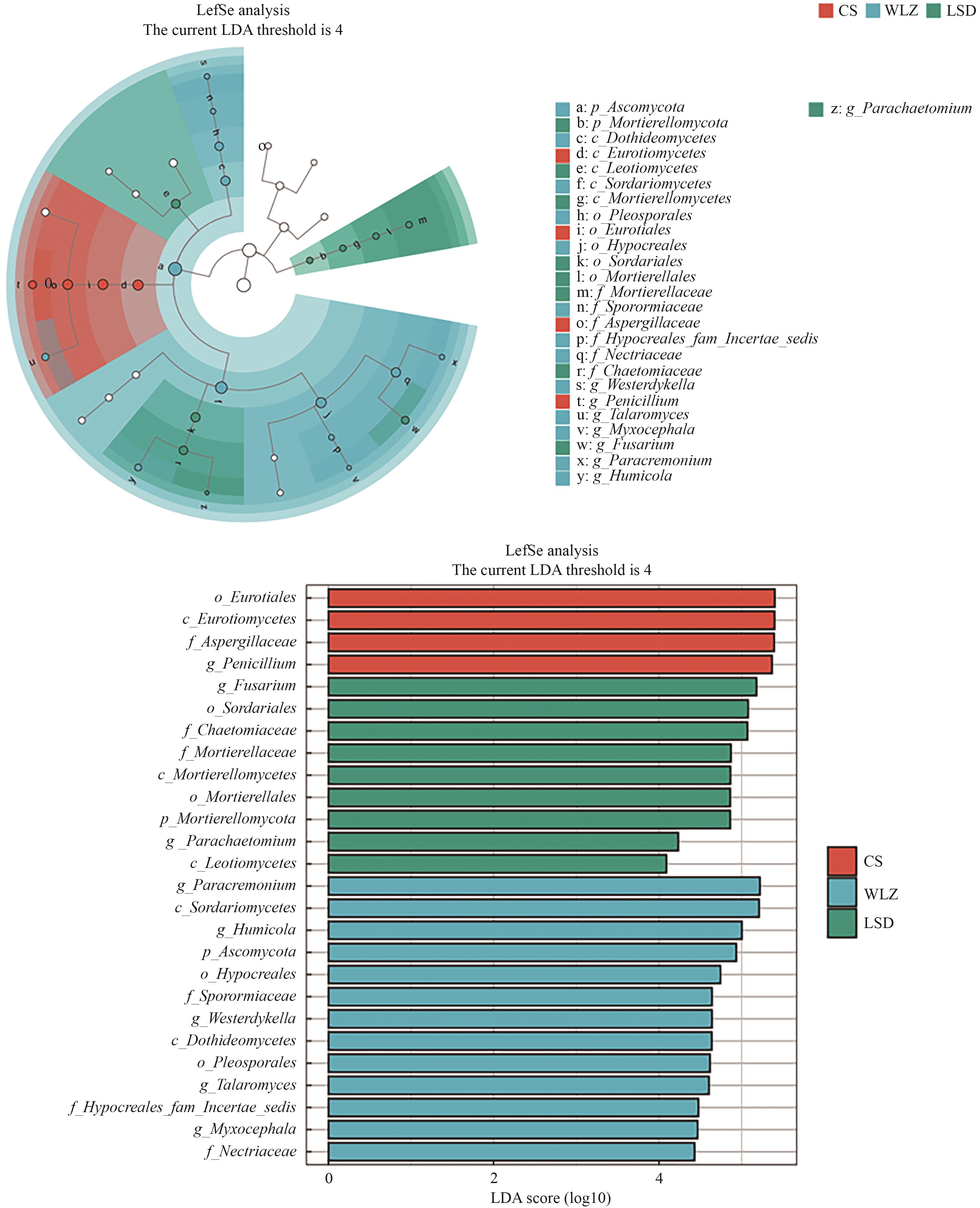
Fig.6 Multi level species discrimination analysis of LefSe fungi in ginseng continuous cropping soil under different treatments
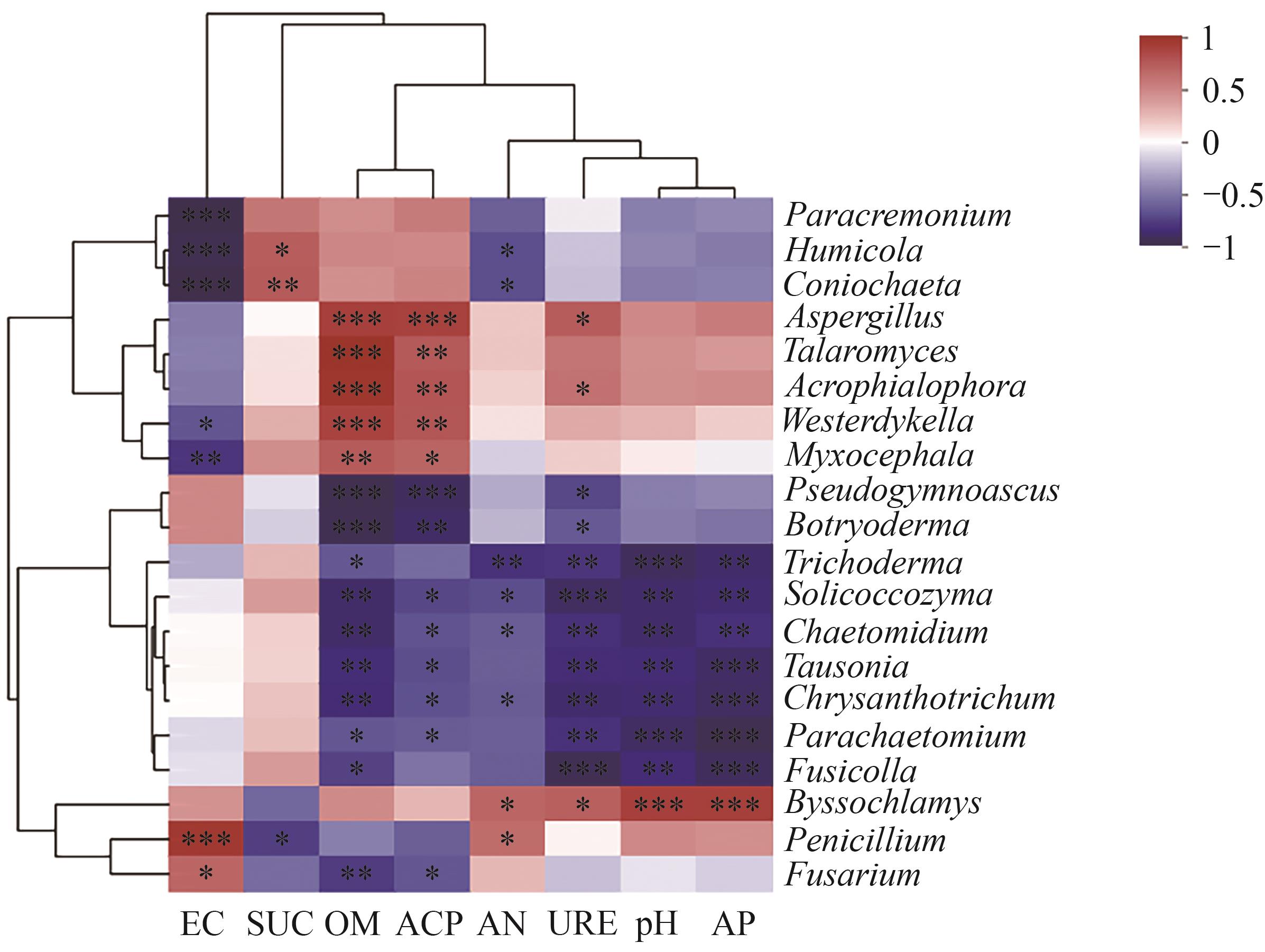
Fig.7 Correlation analysis between soil fungal communities and soil environmental factors in ginseng continuous cropping under different treatments
| [1] | 赵洪颜, 傅民杰, 邹吉祥, 等. 老参地土壤改良的研究进展[J]. 中国农学通报, 2012, 28(21): 12-15. |
| ZHAO H Y, FU M J, ZOU J X, et al. Research progress on improving soil of Panax ginseng[J]. Chin Agric Sci Bull, 2012, 28(21): 12-15. | |
| [2] | MA R, FU B, SONG S, et al. Ginsenoside biosynthesis in Panax ginseng with red-skin disease is inhibited by soil characteristics[J]. J Soil Sci Plant Nutr, 2021, 21(3): 2264-2273. |
| [3] | 张连学, 陈长宝, 王英平, 等. 人参忌连作研究及其解决途径[J]. 吉林农业大学学报, 2008(4): 481-485. |
| ZHANG L X, CHEN Z B, WANG Y P, et al. Study on discontinuous cultivating of Panax ginseng and its workable solution[J]. J Jilin Agric Univ, 2008(4): 481-485. | |
| [4] | 刘莹, 孙文松, 李玲, 等. 人参连作障碍及防治措施研究进展[J]. 园艺与种苗, 2020, 40(7): 26-29. |
| LIU Y, SUN W S, LI L, et al. Research progress on consecutive monoculture problems and control measures of Panax ginseng[J]. Hortic Seed, 2020, 40(7): 26-29. | |
| [5] | 王玲玲. 人参连作障碍影响因素及土壤改良技术研究[D]. 烟台: 烟台大学, 2016. |
| WANG L L. Studies on influencing factors of continuous cropping obstacle and soil improvement techniques of Ginseng[D]. Yantai: Yantai University, 2016. | |
| [6] | 王一鸣, 赖朝圆, 阮云泽, 等. 石灰联合碳铵熏蒸对连作香蕉生长和根际微生物群落结构的影响[J]. 中国南方果树, 2018, 47(3): 5-13. |
| WANG Y M, LAI C Y, RUAN Y Z, et al. Effects of lime-ammonium bicarbonate fumigation on banana growth and structure of rhizosphere microbial community in a continuous cropping system[J]. South China Fruits, 2018, 47(3): 5-13. | |
| [7] | 王科, 李浩, 张成, 等. 化肥过量施用的危害及防治措施[J]. 四川农业科技, 2017(9): 33-35. |
| WANG K, LI H, ZHANG C, et al. The hazards and prevention measures of excessive use of chemical fertilizers[J]. Sichuan Agric Sci Technol, 2017(9): 33-35. | |
| [8] | 朱文娟, 王小国. 强还原土壤灭菌研究进展[J]. 土壤, 2020, 52(2): 223-233. |
| ZHU W J, WANG X G. Advances in method of reductive soil disinfestation[J]. Soils, 2020, 52(2): 223-233. | |
| [9] | 王光州, 贾吉玉, 张俊伶. 植物-土壤反馈理论及其在自然和农田生态系统中的应用研究进展[J]. 生态学报, 2021, 41(23): 9130-9143. |
| WANG G Z, JIA J Y, ZHANG J L. Plant soil feedback theory and its applications and prospects in natural and agricultural ecosystems[J]. Acta Ecol Sin, 2021, 41(23): 9130-9143. | |
| [10] | 卢宝慧, 高成林, 赵玥, 等. 运用高通量测序技术分析人参不同栽培模式根际土壤微生物多样性[J]. 东北林业大学学报, 2021, 49(3): 113-119. |
| LU B H, GAO C L, ZHAO Y, et al. Panax ginseng rhizosphere microorganism diversity in different cultivation modes by high-throughput sequencing technology[J]. Acta Ecol Sin, 2021, 49(3): 113-119. | |
| [11] | LIU N, SHAO C, SUN H, et al. Arbuscular mycorrhizal fungi biofertilizer improves American ginseng (Panax quinquefolius L.) growth under the continuous cropping regime[J]. Geoderma, 2020, 363: 114155. |
| [12] | CHEN F H, XIE Y J, JIA Q W, et al. Effects of the continuous cropping and soilborne diseases of Panax ginseng C. A. Meyer on rhizosphere soil physicochemical properties, enzyme activities, and microbial communities[J]. Agronomy-Basel, 2023, 13(1): 210. |
| [13] | 李茜, 徐瑞蔓, 陈迪, 等. 不同栽培年限人参根际土壤细菌群落与土壤理化性质和酶活性的相关性[J]. 植物营养与肥料学报, 2022, 28(2): 313-324. |
| LI Q, XU R M, CHEN D, et al. Correlation of bacterial community with soil physicochemical properties and enzyme activities in rhizosphere soil under different cultivation years of ginseng (Panax ginseng C. A. Mey.)[J]. Acta Ecol Sin, 2022, 28(2): 313-324. | |
| [14] | 杨珍, 戴传超, 王兴祥, 等. 作物土传真菌病害发生的根际微生物机制研究进展[J]. 土壤学报, 2019, 56(1): 12-22. |
| YANG Z, DAI C C, WANG X X, et al. Advance in research on rhizosphere microbial mechanisms of crop soil-borne fungal diseases[J]. Acta Pedol Sin, 2019, 56(1): 12-22. | |
| [15] | 鲍士旦. 土壤农化分析[M]. 北京: 中国农业出版社, 2000. |
| BAO S D. Soil agricultural chemistry analysis[M]. Beijing: China Agriculture Press, 2000. | |
| [16] | 关松荫. 土壤酶及其研究法[M]. 北京: 中国农业出版社, 1986. |
| GUAN S Y. Soil enzyme and its research approach[M]. Beijing: China Agriculture Press, 1986. | |
| [17] | 张建勋, 苑雪琪, 巩金壮, 等. 老参地种植白屈菜及玉米对土壤养分及真菌群落结构的影响[J]. 吉林农业大学学报, 2022, 44(1): 51-60. |
| ZHANG J X, YUAN X Q, GONG J Z, et al. Effects of rotation of celandine and corn on soil nutrients and fungal community structure in ginseng-used lands[J]. J Jilin Agric Univ, 2022, 44(1): 51-60. | |
| [18] | 李琳, 向丹, 武亚芬, 等. 长期不同施肥方式对日光温室番茄土壤养分和微生物群落结构的影响[J]. 应用生态学报, 2022, 33(2): 415-422. |
| LI L, XIANG D, WU Y F, et al. Effects of long-term different fertilization patterns on soil nutrients and microbial community structure of tomato in a solar greenhouse[J]. Chin J Appl Ecol, 2022, 33(2): 415-422. | |
| [19] | ZHENG Q, HU Y T, ZHANG S S, et al. Soil multifunctionality is affected by the soil environment and by microbial Choo community composition and diversity[J]. Soil Biol Biochem, 2019, 136: 107521. |
| [20] | ZHANG J, WANG P C, TIAN H M, et al. Pyrosequencing-based assessment of soil microbial community structure and analysis of soil properties with vegetable planted at different years under greenhouse conditions[J]. Soil Till Res, 2019, 187: 1-10. |
| [21] | 滕凯, 张清壮, 彭镜先, 等. 强还原土壤灭菌对烟草种植前后土壤化学性质及微生物群落结构的影响[J]. 烟草科技, 2022, 55(4): 9-19. |
| TENG K, ZHANG Q Z, PENG J X, et al. Effects of reductive soil disinfestation on chemical properties and microbial community structure of soils before and after tobacco planting[J]. Tob Sci Technol, 2022, 55(4): 9-19. | |
| [22] | 邱全敏, 罗东林, 罗乐洋, 等. 施用土壤pH改良剂对弱碱性荔枝园土壤性质及荔枝生长的影响[J]. 南方农业学报, 2020, 51(7): 1545-1552. |
| QIU Q M, LUO D L, LUO L Y, et al. Effects of soil pH improver on property of alkalescent soil in litchi orchard and litchi growth[J]. J South Agric, 2020, 51(7): 1545-1552. | |
| [23] | 张顺, 贾永刚, 连胜利, 等. 电导率法在土壤盐渍化中的改进和应用进展[J]. 土壤通报, 2014, 45(3): 754-759. |
| ZHANG S, JIA Y G, LIAN S L, et al. Application and improvement of electrical conductivity measurements in soil salinity[J]. Chin J Soil Sci, 2014, 45(3): 754-759. | |
| [24] | 郑聚锋, 陈硕桐. 土壤有机质与土壤固碳[J]. 科学, 2021, 73(6): 13-17. |
| ZHENG J F, CHEN S T. Soil organic matter and soil carbon sequestration[J]. Science, 2021, 73(6): 13-17. | |
| [25] | DRESCHER G L, DA SILVA L S, SARFARAZ Q, et al. Available nitrogen in paddy soils depth: influence on rice root morphology and plant nutrition[J]. J Soil Sci Plant Nutr, 2020, 20(3): 1029-1041. |
| [26] | LÜ H D, WANG X Y, PAN Z L, et al. Assessment of the crucial factors influencing the responses of ammonia and nitrous oxide emissions to controlled release nitrogen fertilizer: a meta-analysis[J]. J Integr Agr, 2023, 22(11): 3549-3559. |
| [27] | 吴庚福, 黄振瑞, 陈迪文, 等. 不同类型磷肥对土壤磷素形态和烟草生长的影响[J]. 中国烟草科学, 2021, 42(6): 1-7. |
| WU G F, HUANG Z R, CHEN D W, et al. Effects of different types of phosphorus fertilizers on soil phosphorus forms and tobacco growth[J]. Chin Tob Sci, 2021, 42(6): 1-7. | |
| [28] | ZOU T, ZHANG X, DAVIDSON E A. Global trends of cropland phosphorus use and sustainability challenges[J]. Nature, 2022, 611(7934): 81-87. |
| [29] | 魏光钰, 胡勇, 吴永琴, 等. 土壤强还原处理对植烟土壤真菌群落结构及烤烟产质量的影响[J]. 湖南农业科学, 2021(3): 34-39. |
| WEI G Y, HU Y, WU Y Q, et al. Effects of reductive soil disinfestation on fungal community structure and tobacco yield and quality[J]. Hunan Agric Sci, 2021(3): 34-39. | |
| [30] | 于海权, 于宏蕊, 刘思宇, 等. 人参-桔梗等轮作对参后地土壤微生态的影响[J]. 吉林农业大学学报, 2023. DOI: 10.13327/j.ijlau.2021.0127. |
| YU H Q, YU H R, LIU S Y, et al. Effects of ginseng platycodon grandiflorum rotation on soil microecology in ginseng field[J]. J Jilin Agric Univ, 2023. DOI: 10.13327/j.ijlau.2021.0127. | |
| [31] | 王启宇, 吕怡颖, 杨敏, 等. 烤烟根结线虫病发生与土壤酶活性的相关性研究[J]. 湖南农业科学, 2021(8): 32-35. |
| WANG Q Y, LU Y Y, YANG M, et al. Study on the correlation between the occurrence of tobacco rootknot nematode disease and soil enzyme activity[J]. Hunan Agric Sci, 2021(8): 32-35. | |
| [32] | 高佳, 王姣, 王松, 等. 生物炭基肥对马铃薯田土壤脲酶活性和产量的影响[J]. 作物杂志, 2021(6): 134-138. |
| GAO J, WANG J, WANG S, et al. Effects of biochar-based fertilizer on soil urease activity and yield of potato[J]. J Crops, 2021(6): 134-138. | |
| [33] | 黄宇, 张海伟, 徐芳森. 植物酸性磷酸酶的研究进展[J]. 华中农业大学学报, 2008(1): 148-154. |
| HUANG Y, ZHANG H W, XU F S. Research progress on plant acid phosphatase[J]. J Huazhong Agric Univ, 2008(1): 148-154. | |
| [34] | 焦治芳. 长期施肥对黄土高原小麦农田土壤酶活性的影响[D]. 兰州: 兰州大学, 2010. |
| JIAO Z F. Long-term effects of fertilizer on soil enzymatic activity in wheat field soil on the Loess Plateau of northwestern China[D]. Lanzhou: Lanzhou University, 2010. | |
| [35] | 谢洪宝, 于贺, 陈一民, 等. 秸秆深埋对不同氮肥水平土壤蔗糖酶活性的影响[J]. 中国农学通报, 2021, 37(24): 79-83. |
| XIE H B, YU H, CHEN Y M, et al. Effects of straw buried deep on invertase activity in soil with different nitrogen fertilizer levels[J]. Chin Agric Sci Bull, 2021, 37(24): 79-83. | |
| [36] | 闫宁, 战宇, 苗馨月, 等. 强还原土壤灭菌处理对人参连作土壤细菌群落结构及土壤酶活的影响[J]. 中国农业科技导报, 2022, 24(6): 133-144. |
| YAN N, ZHAN Y, MIAO X Y, et al. Effects of reductive soil disinfestation on soil bacterial community structure and soil enzyme activity in continuous cropping of Ginseng[J]. J Agric Sci Technol, 2022, 24(6): 133-144. | |
| [37] | 李荣飞, 杨仕品, 王爱华, 等. 不同调控措施对草莓连作大棚土壤微生物群落的影响[J]. 江苏农业科学, 2023, 51(3): 197-204. |
| LI R F, YANG S P, WANG A H, et al. Influences of different control measures on soil microbial community in strawberry continuous cropping greenhouse[J]. Jiangsu Agric Sci, 2023, 51(3): 197-204. | |
| [38] | 孙鹏洲, 罗珠珠, 李玲玲, 等. 黄土高原干旱区长期种植紫花苜蓿和一年生作物轮作对土壤真菌群落的影响[J]. 中国生态农业学报(中英文), 2022, 30(6): 965-975. |
| SUN P Z, LUO Z Z, LI L L, et al. Influences of continuous monoculture of Alfalfa and rotation of annual crops on soil fungal communities in the semi-arid Loess Plateau[J] Chin J Eco Agric (Chin Engl), 2022, 30(6): 965-975. | |
| [39] | 赵军, 张晶清, 林于蓝, 等. 强还原土壤处理驱动的微生物群落稳定性与功能的关联性[J]. 土壤学报, 2024, 61(1): 187-199. |
| ZHAO J, ZHANG J Q, LIN Y L, et al. Correlation between the stability and function of soil microbial community driven by reductive soil disinfestation[J]. Acta Pedol Sin, 2024, 61(1): 187-199. | |
| [40] | 尹春江, 刘茂兰, 钟羡芳, 等. 强还原处理和施用有机肥对设施蔬菜地土壤微生物群落稳定性的影响[J]. 应用生态学报, 2024, 35(5): 1293-1300. |
| YIN C J, LIU M L, ZHONG X F, et al. Effects of reductive soil disinfestation and organic fertilizer application on microbial community stability in a facility vegetable soil[J]. Chin J Appl Ecol, 2024, 35(5): 1293-1300. | |
| [41] | YANG W, ZHANG D, CAI X W, et al. Significant alterations in soil fungal communities along a chronosequence of Spartina alterniflora invasion in a Chinese Yellow Sea coastal wetland[J]. Sci Total Environ, 2019, 693: 133548. |
| [42] | LI X, CHEN J, ZHANG Q Z, et al. Microbial community responses to multiple soil disinfestation change drivers[J]. Appl Microbiol Biotechnol, 2021, 105(18): 6993-7007. |
| [43] | 金蕊, 许建平, 楚芯可, 等. 生物熏蒸结合强还原土壤灭菌法对菊花生长及连作土壤的影响[J]. 核农学报, 2024, 38(8): 1575-1584. |
| JIN R, XU J P, CHU X K, et al. Effects of biofumigation combined with reductive soil disinfestation on Chrysanthemum growth and continuous cropping soil[J]. J Nucl Agr Sci, 2024, 38(8): 1575-1584. | |
| [44] | CHÁVEZ R, BULL P, EYZAGUIRRE J. The xylanolytic enzyme system from the genus Penicillium[J]. J Biotechnol, 2006, 123(4): 413-433. |
| [45] | 魏光钰, 胡勇, 吴永琴, 等. 灭菌方式对植烟土壤微生物群落的影响[J]. 湖南农业大学学报(自然科学版), 2023, 49(6): 652-660. |
| WEI G Y, HU Y, WU Y Q, et al. Effects of soil disinfestation methods on microbial community in tobacco planting fields[J]. J Hunan Agric Univ (Nat Sci Ed), 2023, 49(6): 652-660. | |
| [46] | 李琳, 向丹, 武亚芬, 等. 长期不同施肥方式对日光温室番茄土壤养分和微生物群落结构的影响[J]. 应用生态学报, 2022, 33(2): 415-422. |
| LI L, XIANG D, WU Y F, et al. Effects of long-term different fertilization patterns on soil nutrients and microbial community structure of tomato in a solar greenhouse[J]. Chin J Appl Ecol, 2022, 33(2): 415-422. |
| [1] | Fang XIA, Shu-Min YIN, Cheng-Guo LI, Jie REN, Lin-Lin LIU, Feng-Jun LI, Zheng XIE. Thematic Analysis of the Effect of Soil Fertility Factors on Ginseng Growth Based on Latent Dirichlet Allocation Topic Modeling [J]. Chinese Journal of Applied Chemistry, 2025, 42(9): 1297-1306. |
| Viewed | ||||||
|
Full text |
|
|||||
|
Abstract |
|
|||||
